Manufacturer Spotlight: Ayrton Lighting

Manufacturer Spotlight: Ayrton Lighting

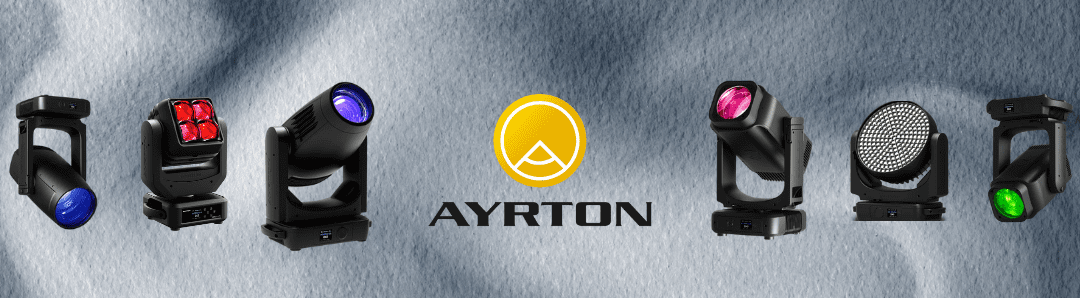
Ayrton Lighting — Precision, Power, and Performance Without Compromise

Some manufacturers follow trends.

Others create them.

Ayrton firmly belongs in the second category.

Founded in 2001 just outside Paris, France, Ayrton was born from a collaboration between lighting professionals, technologists, and industrial designers who shared one goal: push intelligent lighting further than anyone else thought possible. More than two decades later, that mindset still defines the brand and explains why Ayrton fixtures are consistently specified for television studios, theatres, arenas, and high-profile live events worldwide.

At Starlite, we do more than sell Ayrton. We invest in it. Not only do we offer Ayrton as a rental option, but we trust them for our own productions and events. 

A Brand Built on Engineering and Intention

Ayrton’s name and iconic yellow color are a tribute to legendary Formula One driver Ayrton Senna, a nod that feels particularly fitting once you understand the company’s design philosophy. Like elite motorsports engineering, Ayrton fixtures balance raw power with precision control, efficiency, and reliability.

From day one, Ayrton has focused on intelligent LED lighting for entertainment and architectural applications. Their in-house R&D team brings together experts in mechanical, electronic, and software engineering who translate avant-garde concepts into fixtures that are not only innovative, but field-proven.

That is why Ayrton luminaires are a regular presence on productions that demand accuracy, repeatability, and absolute confidence night after night.

Sustainability Through Longevity

Ayrton’s commitment does not stop at innovation. The company places real emphasis on product lifecycle support, offering technical documentation, maintenance guidance, and service training through its distribution network. Even discontinued products remain supported with accessible documentation, helping extend usable life and reduce unnecessary replacement.

In an industry where fixtures are expected to perform for years under demanding conditions, that long-view approach matters.

From EYECOLOR to Rivale: A History of Firsts

Ayrton’s first fixture, the EYECOLOR, debuted in 2002 and immediately set the tone. Equipped with 192 LEDs, it delivered rich color without complex mechanical systems, a radical idea at the time. That same spirit of simplification through smarter engineering has guided the product line ever since.

From early innovations to today’s advanced profile, beam, and wash fixtures, Ayrton has continuously refined effects, optics, color systems, and movement accuracy. The result is a portfolio that does not chase gimmicks, but instead raises the baseline for what professionals expect from intelligent lighting.

Why Starlite Chooses Ayrton

At Starlite, we make it a point to buy into the fixtures we sell. If we are recommending a product to our clients, it is because we believe in its performance, durability, and long-term value. Ayrton checks all of those boxes.

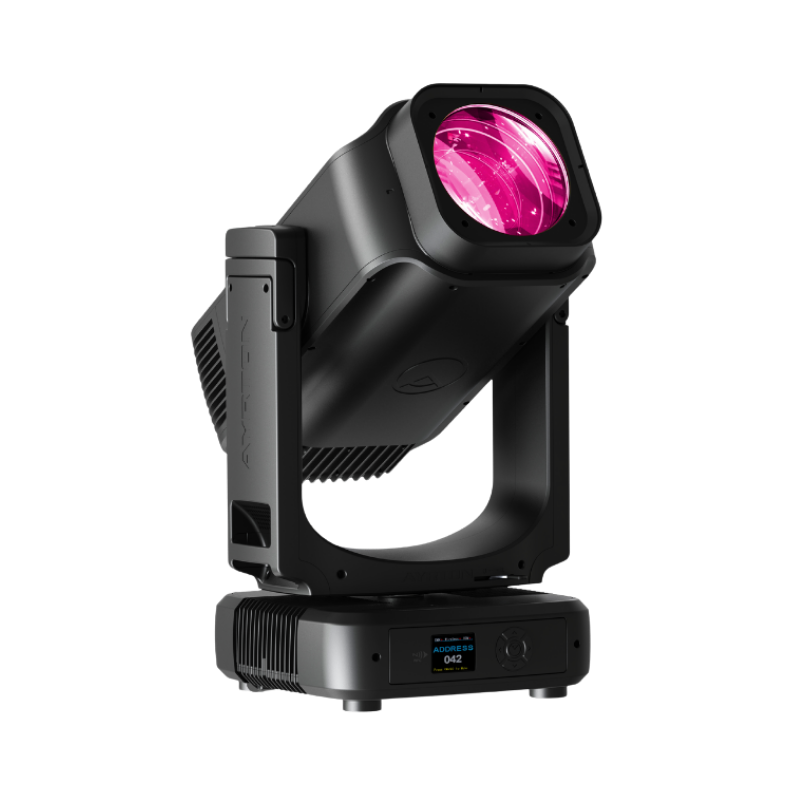
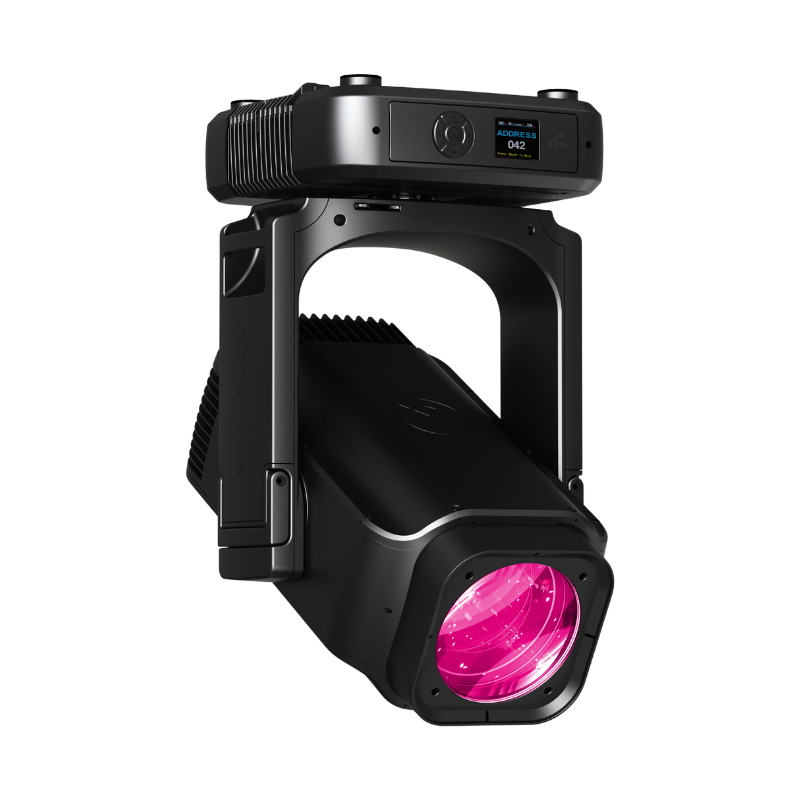
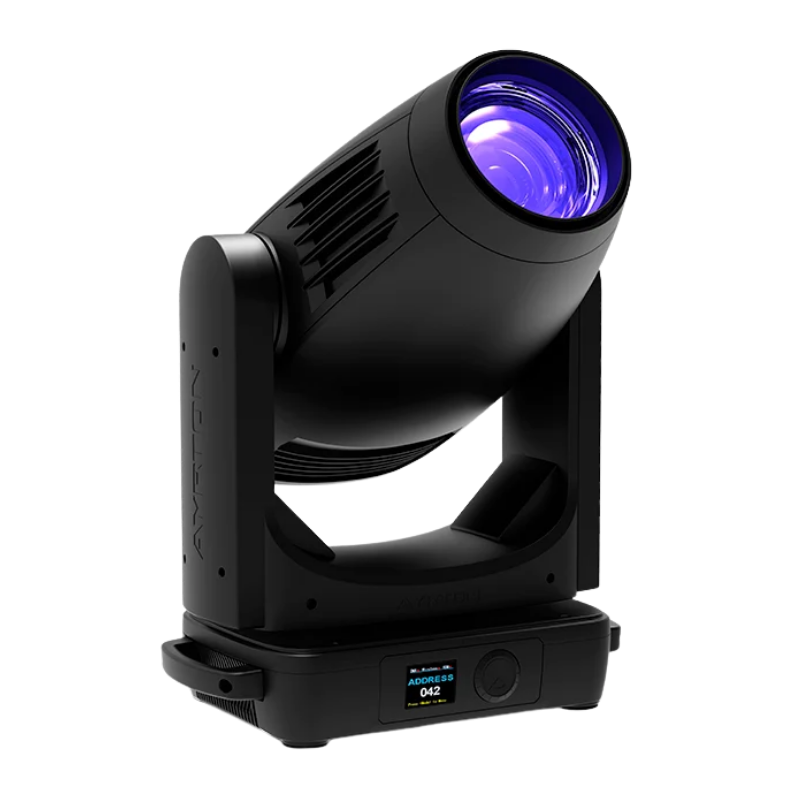
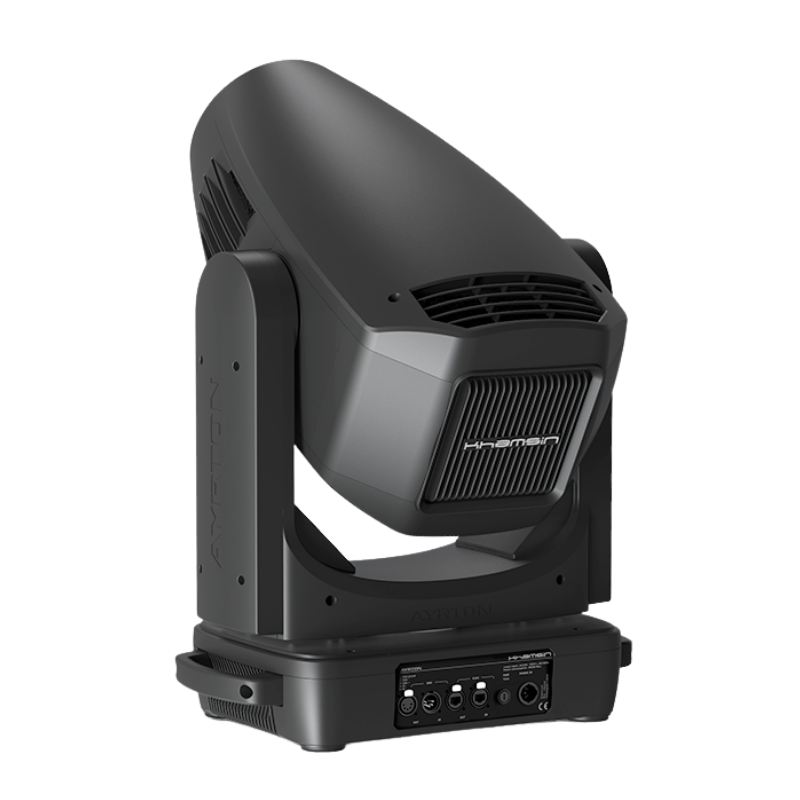
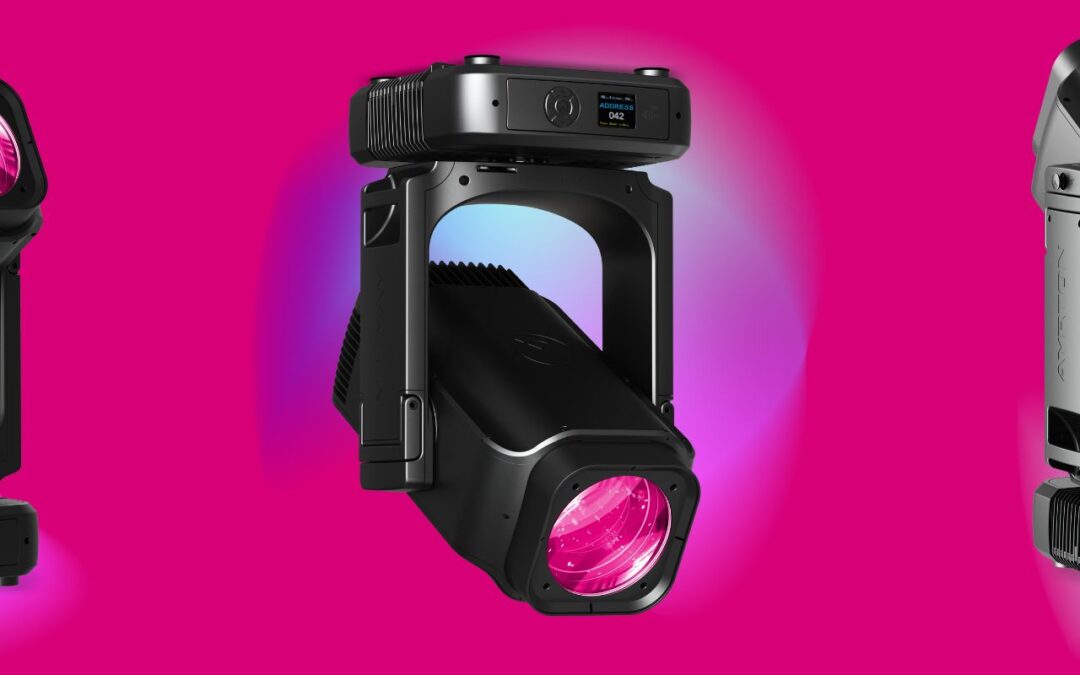
Two fixtures in particular have earned a permanent place in our lighting inventory and on our projects: the Ayrton Veloce Profile and the Khamsin S Profile.

Ayrton Veloce Profile: Precision with Authority

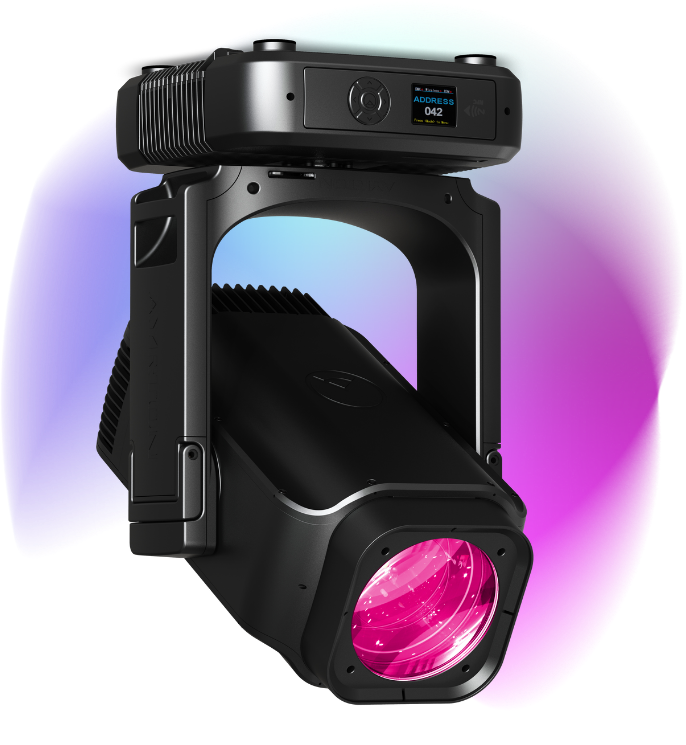
Veloce Profile is a luminaire that feels purpose-built for designers who want control without compromise.

Its proprietary 13-lens optical system delivers a massive 13:1 zoom range, from a razor-sharp 4° beam to a wide 52° field. The 180 mm front lens produces an ultra-intensive beam that cuts cleanly through haze and distance, making it equally at home on large stages and detailed scenic applications.

Color is where Veloce truly shines. The single-layer CMY color mixing system with ultra-fast, high-definition discs delivers saturated, punchy color with exceptional consistency. A progressive CTO allows smooth adjustment from 2900 K to 6500 K, while a seven-position color wheel adds flexibility for creative accents. For applications demanding accurate color reproduction, the CRI can be finely adjusted from 70 to 86.

Add to that an ultra-precise framing module capable of isolating objects anywhere in the beam with surgical accuracy, and you have a fixture that rewards both technical discipline and creative risk-taking.

We proudly send Veloce Profile out on tours and productions through our rental division because we know it performs exactly as expected, every time.

If you are interested in adding Veloce Profile to your next project, our team is ready to help you spec or rent the right solution.

Ayrton Khamsin: Compact Power That Turns Heads

Khamsin is what happens when Ayrton decides to squeeze extraordinary output into a remarkably compact form factor.

By completely redesigning the internal structure and using cast aluminum sides, Ayrton delivered a fixture that packs serious horsepower without excess bulk. The Khamsin S version delivers up to 40,000 lumens with a 7000 K color temperature, while the Khamsin TC version prioritizes color accuracy with a CRI greater than 90 and outstanding TM-30 performance.

The proprietary 13-lens optical system provides an 8:1 zoom range from 7° to 58°, producing an even, flat beam with no hot spots and exceptional image clarity. Whether you are running gobos, prisms, or clean texture, the output remains consistent and controlled.

Khamsin’s effects package is extensive: dual rotating gobo wheels, animation effects, rotating prisms, iris, frost options, and a full CMY color mixing system with variable CTO. Framing shutters allow precise shaping across the entire beam, regardless of fixture position.

Designed for arenas, stadiums, and major event venues, Khamsin is equally impressive in television and broadcast environments thanks to flicker-free source management.

Despite its power, the fixture weighs approximately 87.7 pounds, making it surprisingly manageable for its output class.

A Longstanding Partnership

Starlite has been an authorized Ayrton dealer for many years, and that relationship continues because the product consistently delivers. Whether you are purchasing for a permanent installation, specifying for a touring system, or sourcing fixtures through our rental inventory, our team has hands-on experience with Ayrton’s lineup.

If you are interested in any Ayrton products, from profiles to washes and beyond, we are ready to support you from specification through deployment.

Ayrton is not just a manufacturer we represent. It is a manufacturer we rely on.

And that makes all the difference.

Don’t forget to follow us on social:

Allen & Heath Consoles: Why Starlite Trusts Their Digital and Analog Mixers for Rentals & Installations

Allen & Heath Consoles: Why Starlite Trusts Their Digital and Analog Mixers for Rentals & Installations

Manufacturer Spotlight: Allen & Heath – Consoles We Trust


At Starlite, we understand that in professional audio, the quality of a mixer defines the entire system’s performance. Whether we’re supporting a live corporate event, equipping a school auditorium, or integrating a new sound system into a performance venue, reliability, flexibility, and sonic transparency are non-negotiable. That’s why Allen & Heath consoles remain a cornerstone of both our rental inventory and our Systems Integration designs.

From their handcrafted analog roots in the London music scene to today’s state-of-the-art digital mixing platforms, Allen & Heath has built a reputation for precision engineering, intuitive user experience, and unmatched build quality. These values align perfectly with Starlite’s mission to deliver excellence in every AV project.

A Legacy of Innovation in Audio

Founded in 1969, Allen & Heath emerged at the forefront of Britain’s audio engineering revolution, building custom mixers for bands like Pink Floyd, Genesis, and The Who. These early designs established the company’s reputation for clean signal paths, robust circuitry, and innovative ergonomics, traits that continue to define their modern consoles.

More than five decades later, Allen & Heath remains an industry benchmark. Their digital console range represents a new era in live sound technology, capable of sub-millisecond latency and unparalleled DSP power. Designed, developed, and tested in Cornwall, UK, every console is shaped by real-world engineering feedback from active touring professionals, ensuring performance that meets the demands of both live and installed environments.

Their philosophy, “heritage, innovation, and a mission to just keep doing it better,” continues to drive their evolution from classic analog desks to advanced networked digital systems.

Why Starlite Relies on Allen & Heath

At Starlite, we’ve chosen Allen & Heath for the same reason top touring engineers and integrators do: consistency, versatility, and sound integrity.

In our rental inventory, we feature consoles designed to excel under demanding conditions:

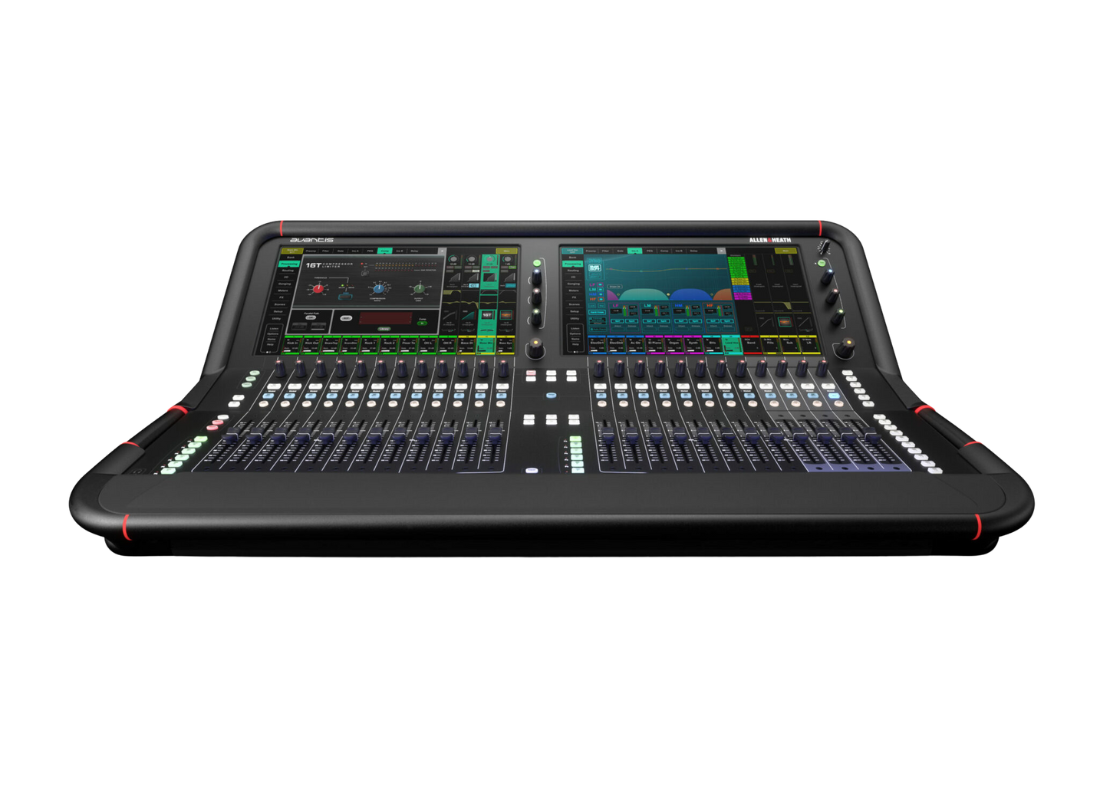
Avantis 64-Input Digital Mixer 

Powered by the 96kHz XCVI FPGA engine, Avantis delivers exceptional sonic performance with ultra-low 0.7ms latency. Its dual 15.6” HD touchscreens and Continuity UI streamline navigation, while the full metal chassis ensures durability on the road. Integrated dLive-class processing, flexible bus architecture, and seamless Shure and Sennheiser RF integration make it a trusted choice for corporate AV, broadcast, and high-end live productions.

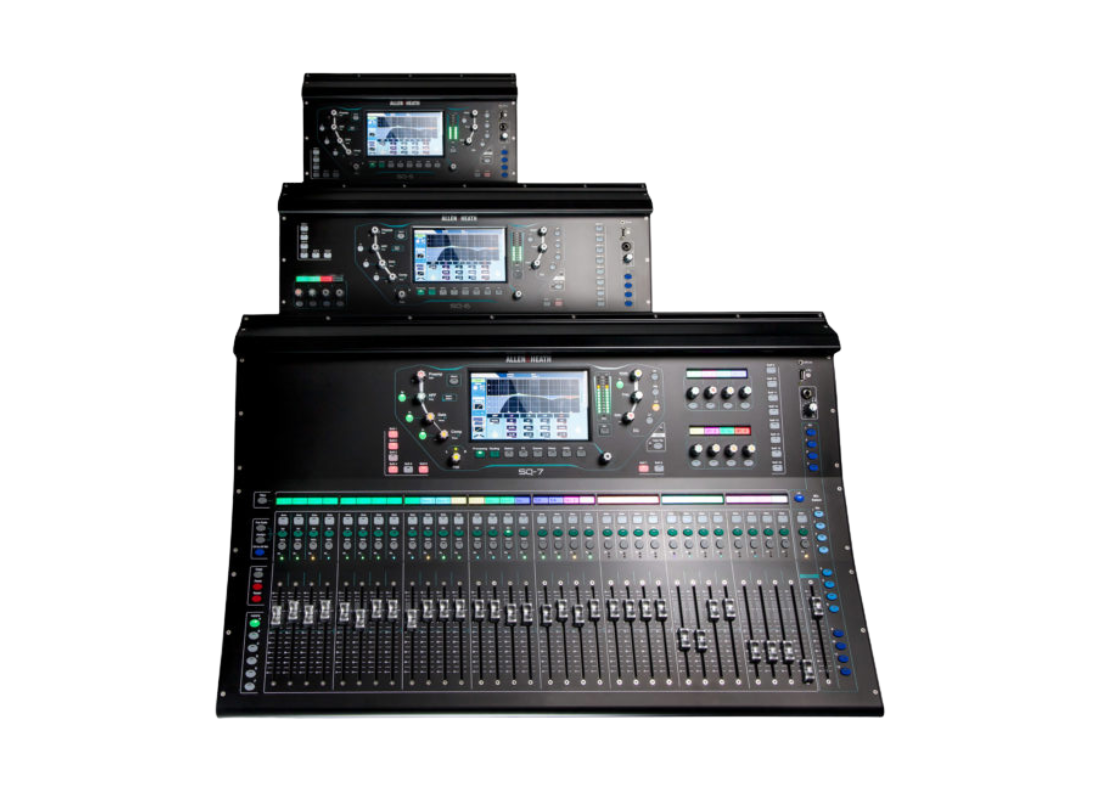
SQ Series Mixers

The SQ series bridges touring-grade processing with a compact form factor. With 48 input channels, DEEP processing architecture, 12 stereo mixes, and 64×64 I/O audio networking, these consoles are ideal for mid-scale performance spaces and educational installations. They provide powerful features like multitrack recording via USB and integration with Dante or SLink expanders—enabling scalable, networked audio solutions.

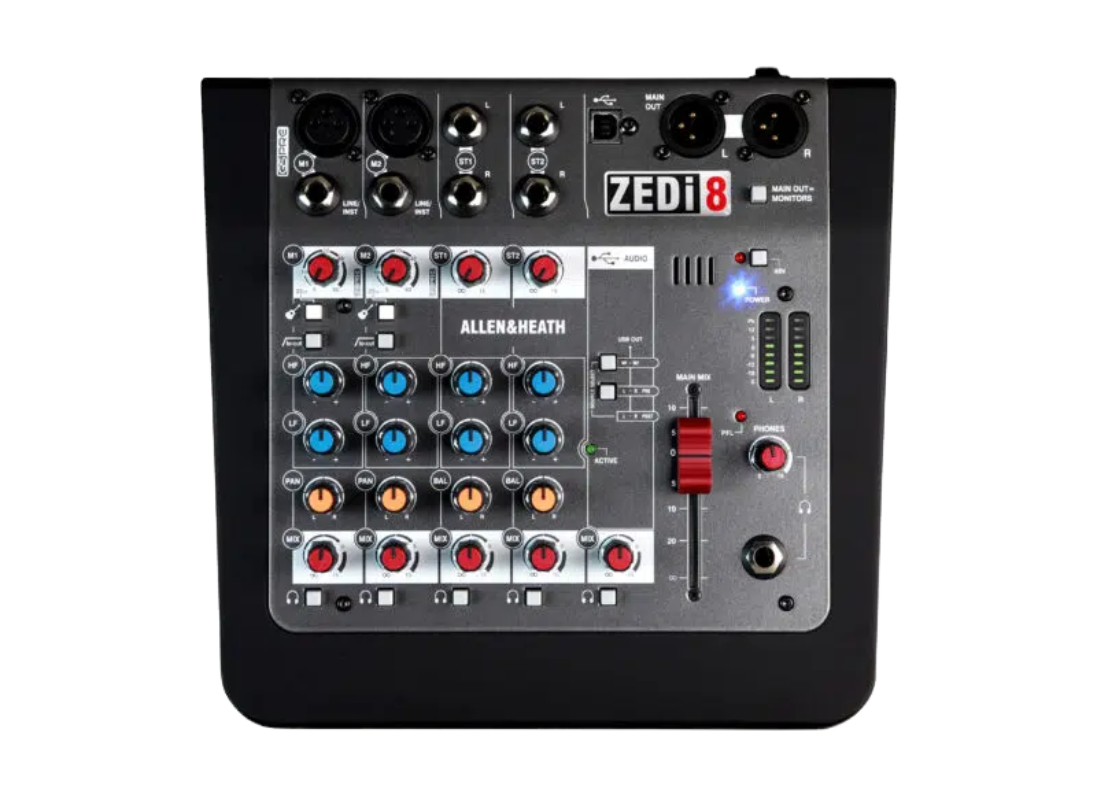
ZEDi-10FX & GL2200

For smaller venues, mobile productions, and hybrid analog setups, the ZEDi-10FX offers a studio-grade preamp design and USB interface capabilities, while the GL2200 remains a touring classic, valued for its warm, transparent analog sound and bulletproof reliability. Together, they showcase Allen & Heath’s commitment to versatility—from compact mixers to flagship consoles.

These systems allow our technicians and clients alike to experience accurate, consistent audio performance whether mixing a theatrical production, a graduation ceremony, or a high-profile corporate presentation.

Designed for Live, Installation, and Education

Beyond live production, Allen & Heath has become a leader in fixed installation audio. The AHM series matrix processors (including the AHM-64, AHM-32, and AHM-16) bring high-end digital signal processing and networked audio control to a variety of environments from schools and houses-of-worship to restaurants, hotels, and boardrooms.

Their consoles and processors integrate natively with Dante, AES67, and Allen & Heath’s ecosystem of expanders and controllers, making them ideal for flexible AV systems. These tools empower integrators to deliver scalable, user-friendly audio systems that can grow with an organization’s needs.

For our integration team, Allen & Heath represents the perfect blend of technical sophistication and practical usability. Educators and operators appreciate the intuitive interface, while professional engineers value the advanced processing headroom and precision mixing capabilities. 

Training, Support, and Community for AV Professionals

Allen & Heath develops exceptional technology and builds a community around it. Their global training programs, certification courses, and in-person workshops help engineers and operators expand their technical expertise. Whether through online tutorials or direct manufacturer support, users gain the confidence to maximize every feature of their console.

This dedication to education mirrors Starlite’s own philosophy: empowering clients with the tools and knowledge to achieve the best results from their AV systems.

Allen & Heath: Learning and Education

Trusted for Rentals, Installations, and Beyond

From the compact ZEDi Series to the flagship dLive and Avantis platforms, Allen & Heath continues to push the boundaries of what’s possible in live sound and system integration. At Starlite, we trust their consoles because they’ve proven themselves time and again—delivering stability, sonic excellence, and future-ready flexibility for every project we take on.

Whether you’re managing a performance venue, upgrading a school auditorium, or producing a corporate event, Allen & Heath provides the foundation for reliable, professional-grade sound.

Don’t forget to follow us on social:

A Smarter Way to Approach Church AV Integration

A Smarter Way to Approach Church AV Integration

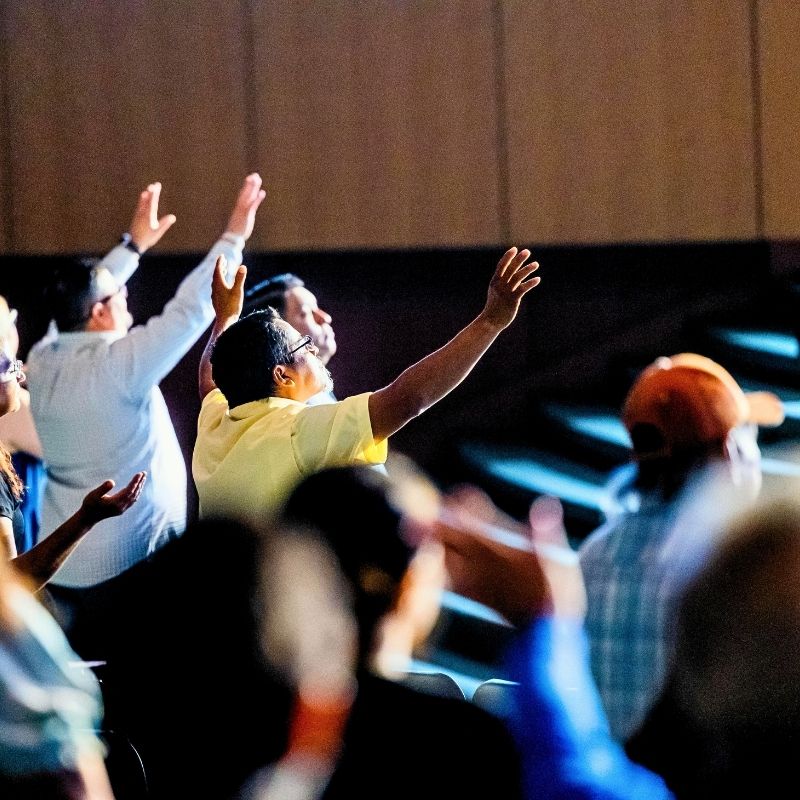
Worship spaces today serve more than the congregation in the pews. Services are streamed online, volunteers run tech from the back of the room, and expectations for sound, video, and lighting are higher than ever. Whether you’re in a small sanctuary or a multi-campus ministry, having the right audiovisual (AV) system in place can make the difference between a distracting experience and a meaningful one.

AV integration doesn’t have to be overwhelming. The key is designing systems that fit your space, your goals, and your team’s comfort level. Here’s what you should know about finding the right church AV setup.


Why AV Integration Matters for Worship Spaces

Churches aren’t concert halls or corporate conference centers; however, they still need AV systems that are reliable, easy to use, and capable of creating connections. Good integration makes everything feel seamless: the pastor is clearly heard, the livestream doesn’t glitch, and volunteers aren’t scrambling during the sermon to fix a mic or adjust a spotlight.

A thoughtful AV setup also builds consistency. When your systems are designed to work together—from audio and video to lighting and livestreaming—each service runs more smoothly regardless of who’s behind the board that day. With many churches relying on volunteers or part-time staff, intuitive operation matters just as much as technical performance.

In short, integration doesn’t stop at the gear. It should also help remove friction so your team can focus on what matters most.

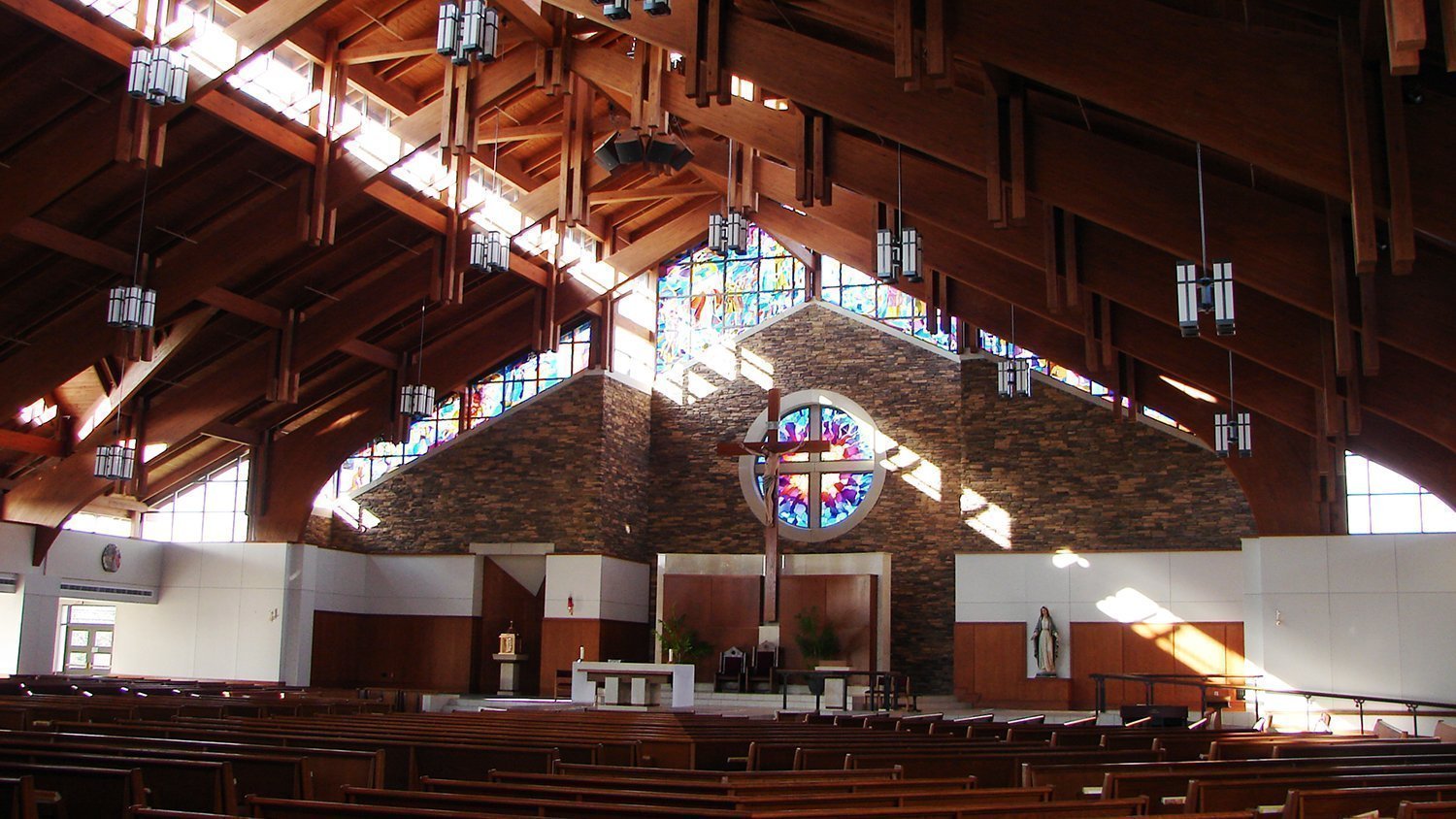
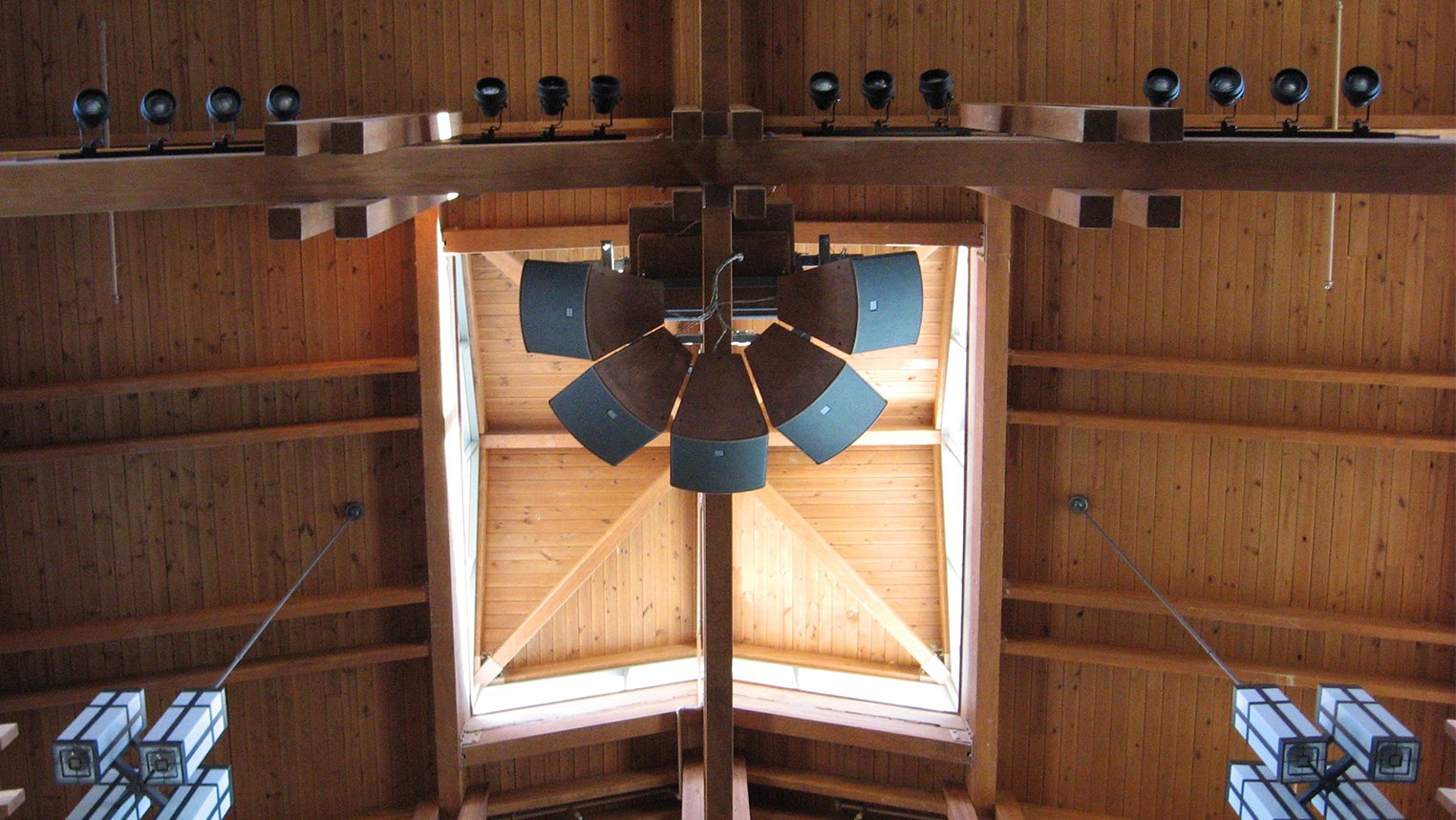
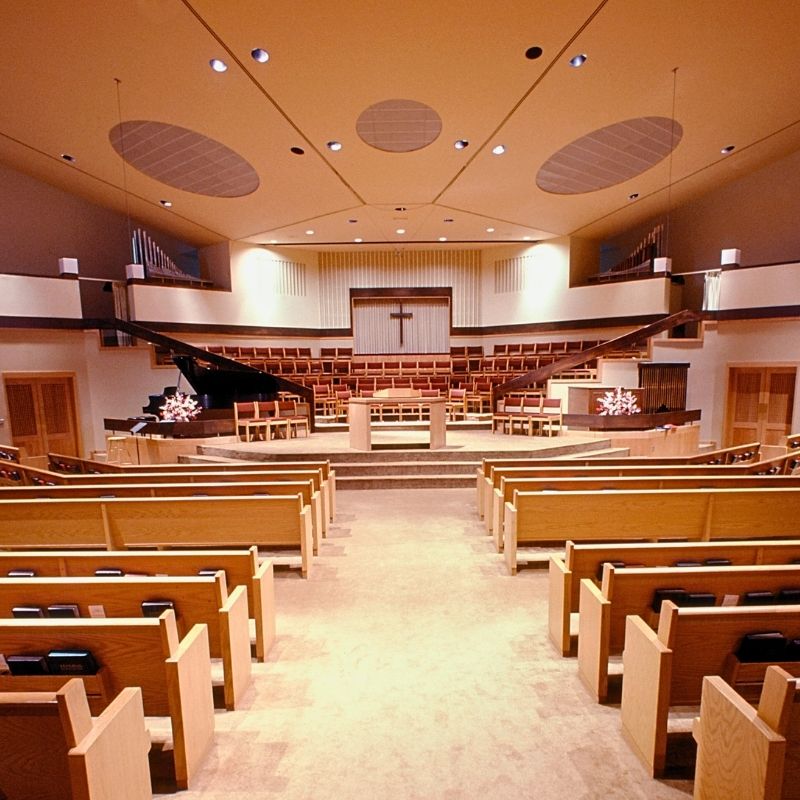
Saint Elizabeth Roman Catholic Church

Integration Project: Saint Elizabeth Roman Catholic Church

What AV System is Best for Churches?

There’s no one-size-fits-all setup for church AV, and that’s a good thing. The best system is one that reflects your space, your service style, and your team’s capabilities.

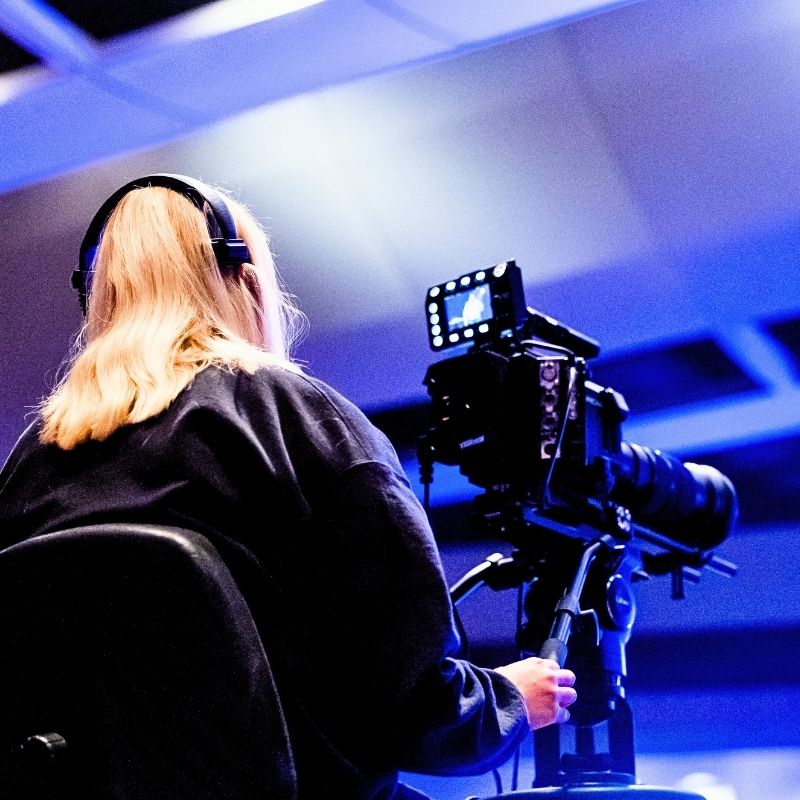
For smaller churches, a streamlined system might include a quality PA, wireless microphones, basic stage lighting, and a single camera for livestreaming. Larger congregations might need networked audio, multiple displays, motorized cameras, or centralized control systems that simplify everything from lighting scenes to livestream transitions.

But no matter the size, the goal is the same: consistency, clarity, and ease of use. Your team shouldn’t need to be tech experts to make Sunday morning work.

A good AV integration partner will help you assess:

Room acoustics and layout
Worship style and production needs
Existing equipment that can be reused or upgraded
Volunteer skill level and tech comfort
Livestreaming goals and online audience expectations

When these factors are considered from the start, your AV system will do what it’s supposed to—support the service  without calling attention to itself.


How Churches Can Integrate Audio and Video Systems

Integration is less about buying the flashiest equipment and more about making everything work together. The process starts with understanding what your church actually needs. That means looking beyond generic gear lists and instead designing a system around your unique space and service flow. Here is how that typically works:

Discovery and Needs Assessment:
A walkthrough of your worship space to understand acoustics, sightlines, and service structure—plus a conversation with your team about challenges and goals.

System Design:

Experts create a customized plan that connects the right components (like speakers, mixers, cameras, displays, lighting, and cabling), ensuring compatibility and simplicity.

Installation and Testing:

Once equipment is selected, it’s installed and tested to ensure reliability. The wiring must be clean, sound checks are thorough, and visual elements are fine-tuned.

Training and Support:

The handoff matters. Volunteers or staff are trained on how to use the system efficiently, and long-term support is available when something needs a tweak or upgrade.

It’s all about building a solid foundation that gives your church flexibility without complication. A well-integrated AV system should make services easier to run, not harder.

How Much Does AV Integration for a Church Cost?

Every church is different. Some need a full system overhaul, others just need to replace a few outdated components. Some are outfitting a new sanctuary from the ground up, while others are working within historic buildings with unique acoustic challenges.

That’s why Starlite doesn’t push cookie-cutter packages. We listen first, then build a plan that fits your needs and your budget. We work with a wide range of manufacturers, from high-end to budget-friendly, to create solutions that get the job done without unnecessary add-ons or inflated price tags.

We also understand that many churches are working with limited budgets and volunteer-run tech teams. We respect that reality and approach every project with transparency and flexibility. Whether you need a long-term integration roadmap or a quick fix to get you through Sunday, we’ll help you find the right path forward.

What Happens When AV Works Like It Should

When your audio, video, and lighting systems are integrated and functioning as they should, the focus shifts back to the service where it belongs. Sermons come through clearly. Volunteers run the board with confidence. Livestreams don’t cut out mid-service. The congregation stays engaged, whether they’re in the pews or watching from home.

You won’t notice the AV system because it’s doing its job to make the experience smoother. That’s the power of thoughtful integration—removing friction without calling attention to itself.

Churches in our region come to Starlite because we understand their reality. We don’t expect you to be tech experts, and we won’t recommend equipment you don’t need. What we do offer is decades of experience, personal attention, and a team that’s here to make your job easier. We design systems that are easy to operate, tailored to your space, and built to last. And if something does go wrong, we’re here to help fix it immediately.

Starlite doesn’t take on every job. But when it’s the right fit, we’re in it with you for the long haul. Whether you’re planning an upgrade, exploring livestreaming, or just trying to get through this weekend’s service without tech issues, our team is ready to help.

Don’t forget to follow us on social:

Product Spotlight: Ayrton Veloce Profile

Product Spotlight: Ayrton Veloce Profile

Built for the Elements, Designed for Impact

We’re thrilled to spotlight one of the newest additions to our growing rental inventory: the Ayrton Veloce Profile. This ultra-equipped fixture from Ayrton’s ULTIMATE range represents the latest evolution in outdoor-ready, high-output lighting—and we couldn’t be more excited to offer it to our clients.

Whether you’re planning a large-scale concert tour, an outdoor festival, or a high-end corporate production, the Veloce Profile is engineered to meet the toughest demands with unmatched performance.

Rugged. Refined. Ready for Anything.

The Veloce Profile doesn’t just raise the bar—it redefines it. With a sleek, lightweight design (just shy of 90 lbs.) and IP65-rated weather protection, this fixture is built for the rigors of outdoor use in all environments. Rain or shine, you can count on the Veloce to deliver consistent, professional-quality output every time.

The Veloce Profile produces a staggering 43,000 lumens. That’s light you can trust to cut through even the most complex outdoor scenes—from foggy festival fields to massive stadium stages.

View the full spec sheet

Unmatched Versatility for Touring and Festivals

The Veloce Profile’s flexibility makes it a dream for designers and rental clients alike. With a deep feature set that enables both subtle ambiance and bold spectacle, you’ll be ready for anything the show calls for. Whether you’re shaping tight beams or creating massive textures, the Veloce delivers with precision.

Touring and Festivals

Key features include:


  • IP65 rated

  • 43,000 lumens

  • 13:1 zoom ratio

  • Zoom aperture: 4° to 52°

  • CMY color mixing system

  • Ultra-precise framing module

  • Dual rotating and indexable prisms

  • Dual rotating gobo wheels with seven high-precision glass gobos

  • Focusable animation wheel with continuous rotation in both directions

  • Electronic dimming for smooth light adjustment

Quiet, Smart, and Camera-Ready

Its flicker-free source management makes it an excellent option for broadcast, live streaming, and recording environments where visual clarity and audio sensitivity matter.


PRODUCT SPOTLIGHT - Veloce Profile

Despite its power, the Veloce Profile is whisper-quiet thanks to:

  • An advanced sealed liquid cooling system


  • IP68-rated variable-speed fans


  • User-selectable modes, including Super Silent Mode

Built for the Road. Backed by Ayrton. Available from Starlite.

At Starlite, we invest in gear that empowers creativity. Ayrton fixtures have consistently impressed us with their performance, innovation, and road-tested durability. The addition of the Veloce Profile reflects our continued commitment to offering the best tools to our clients.

→ Whether you’re a lighting designer pushing creative boundaries or a production manager planning the next big tour, the Veloce Profile belongs in your rig.

Now in Stock—Rent the Veloce Profile Today

Ready to add the Veloce Profile to your next event, project or tour? Contact our rental team, and let’s make it happen.

Expert customer support from our in-house team and a full range of accessories and compatible gear

Don’t forget to follow us on social media:

Live Sound 101: What to Look for in a Sound System for Events

Live Sound 101: What to Look for in a Sound System for Events

Whether you’re hosting a conference, concert, or corporate event, it is important to understand the basics of a sound system. This guide will explain what to look for in an event sound system, covering the essentials from audio mixers to speaker placement, and offering expert tips to help you achieve flawless sound. By the end, you’ll have the knowledge to collaborate effectively with your audiovisual provider and ensure your event leaves a lasting impression.


Understanding the Basics of a Sound System


High-quality audio is critical to communicating your message and engaging your audience.  Poor sound quality can have a negative impact on an event and can cause unintended consequences. You may not need to become an expert, but understanding the basics will help you when collaborating with your audiovisual provider.


Audio Mixer

Sound systems for events include an audio mixer, which processes and combines audio signals before routing them to speakers. Modern digital mixers have become industry standard due to their flexibility, advanced routing, and the ability to save settings. Traditional analog mixers are becoming less common, but are also still in use for less complex or budget-conscious events.

Speakers

Speaker selection depends on venue size, crowd size, and whether the event is indoors or outdoors. Line-array speakers offer scalability, wide coverage and significant control. While line-array speakers are centrally located, point-source speakers are used when distributing speakers throughout the venue is preferred. Active speakers have built-in amplification and often include on-board signal processing. Passive speakers require external amplifiers and processing.

Microphones

The type and number of microphones depend on the event’s needs. Wired mics work well for stationary use, while their wireless counterparts allow mobility. Handheld mics are often used for vocal performances and speaking engagements. Lavaliers and head worn mics can be a good fit for theatre or hands-free presentations. Instrument-specific mics ensure proper sound capture for musical performances.

Power Amplifiers

These devices boost audio signals from the mixer to the speakers. The power level, measured in watts, must match the power requirement of the speakers.

Signal Processing

For added audio control and effects, outboard equipment like compressors, limiters, reverb, and delay can customize and enhance sound attributes.

Cables & Accessories

Common sound system accessories may include cabling, stands, rigging hardware and road cases. These accessories are vital for maintaining the integrity and functionality of your sound system.

Factors to Consider When Designing a Sound System


Venue

A major consideration is the event and venue size and type. The venue’s shape, ceiling height, and building materials affect sound quality. Larger venues need powerful systems to project sound effectively without distortion, ensuring clear sound across greater distances. The number of attendees also determines the necessary power and coverage.


Purpose

The purpose of the event is also important. Conferences need systems for speech intelligibility, while live music concerts require high-fidelity music reproduction. In addition, balancing cost and performance is crucial. Finding a professional audio system that fits your budget while meeting your event’s needs is key.


Practicality

Sound systems for events requiring frequent setup and teardown should be lightweight and easy to transport. The weather rating of equipment should be considered for events being held outdoors.


Staffing

The feature set and complexity of an audio system should be matched with the technical expertise of the operator. For best results, experienced audio engineers can be provided by your audiovisual provider. If you choose to operate it yourself, get educated. There are many online resources available from equipment manufacturers. Your equipment provider may also available to assist you in choosing the right equipment and to answer many of your questions.


Tips and Tricks for Designing Event Sound


When designing a sound system for an event, the choices you make can significantly impact the overall audio quality and audience experience. From selecting the right type of speakers to choosing the appropriate mixing console, each decision plays a critical role in delivering clear, powerful sound. Custom configurations tailored to your event’s specific needs will help you achieve the best results — here are a few tips and tricks:


1. Confirm that the venue has sufficient power to handle not just audio, but all aspects that will be in-use during the event (lighting, band, catering, etc.). Locate breaker panel(s) ahead of time.


2. The placement of speakers and microphones is crucial for sound quality and feedback control. Speakers should be positioned to cover the audience evenly without creating dead zones or excessive overlap. Microphones need to be placed to avoid picking up unwanted noise and feedback. Ensuring proper placement can make a significant difference in the clarity and balance of the sound.


3. Test the system before the event to ensure everything runs smoothly. Verify that wireless microphone frequencies are free of interference from other nearby devices.  Inform presenters about common microphone techniques.


4. Equalization (EQ) is vital for optimizing sound quality and reducing feedback. Proper use of EQ can enhance clarity, balance frequencies, and tailor the sound to the venue’s specific acoustics. High or low-pass filters and parametric EQ are commonly used to address problematic frequencies and ensure a clean, clear audio output.


5. Pay attention to time alignment, which ensures that sound from all speakers reaches the audience simultaneously — critical in larger venues with multiple speaker setups. Misaligned speakers can muddy the sound. Using digital signal processors (DSPs) to adjust the timing allows you to synchronize audio output and create a cohesive listening experience.


6. As the venue fills with attendees, the required volume of your system increases, so make sure the system is slightly bigger than what your venue requires. Monitor and constantly adjust levels as needed throughout the event.

FAQs: Event Sound Systems

Here are some of the most common questions about sound systems for events—and their answers.

Q: What is the most important factor to consider when choosing a sound system for an event?
A: The most important factor is the size and type of the event. This includes the venue’s size, shape, and acoustic properties, as well as the number of attendees and the nature of the event (e.g., conference, concert, corporate gathering). These elements determine the power and type of sound system needed to ensure clear, high-quality audio.
Q: How do I choose the right speakers for my event?
A: Choosing the right speakers depends on the venue size, location, and type of event. Line-array speakers offer scalability, wide coverage and significant control. Point-source speakers are used when distributing speakers throughout the venue is preferred.
Q: Do I need a digital or analog audio mixer?
A: The choice between a digital or analog audio mixer depends on your event’s complexity and your budget. Digital mixers offer greater flexibility, advanced routing options, and the ability to save settings. Analog mixers may be suitable for simpler setups.
Q: How can I ensure high sound quality at my event?
A: High sound quality is achieved through clear, dynamic, and well-balanced audio. This involves proper speaker placement, using high-quality cables and accessories, and employing equalization (EQ) techniques to optimize sound for the venue’s acoustics. Testing and adjustment of the system before and during the event are also crucial
Q: What are some tips for setting up a sound system for an outdoor event?
A: For outdoor events, ensure the sound system is weather-resistant and powerful enough to cover the area. Position speakers to cover the audience evenly and avoid dead zones. Test wireless microphone frequencies to prevent interference and ensure all equipment is securely set up to withstand environmental conditions.
Q: Why is equalization (EQ) important in event sound systems?
A: Equalization (EQ) is essential for enhancing sound quality by balancing frequencies and reducing feedback. Proper use of EQ can address problematic frequencies, improve clarity, and tailor the sound to the specific acoustics of the venue. This ensures a clean and clear audio output for your event.

Avoid the Guesswork and Let the Professionals Design Your Sound System

If you have an important event, chances are you’ve got your hands full. You may benefit from the technical expertise offered by an experienced provider. Starlite has the best equipment available, and when it comes to executing the ideal event, you can avoid the guesswork and leave it to us. Just as we have in our previous work, our experienced team will ensure that every element of your system is handled with precision and care.

With decades of experience our Event Technology team is ready for your project’s consultation.


To keep up and learn more about Starlite, don’t forget to follow Starlite on social: