Why Your Casino Floor Deserves More Than Adequate Sound and Light

Why Your Casino Floor Deserves More Than Adequate Sound and Light

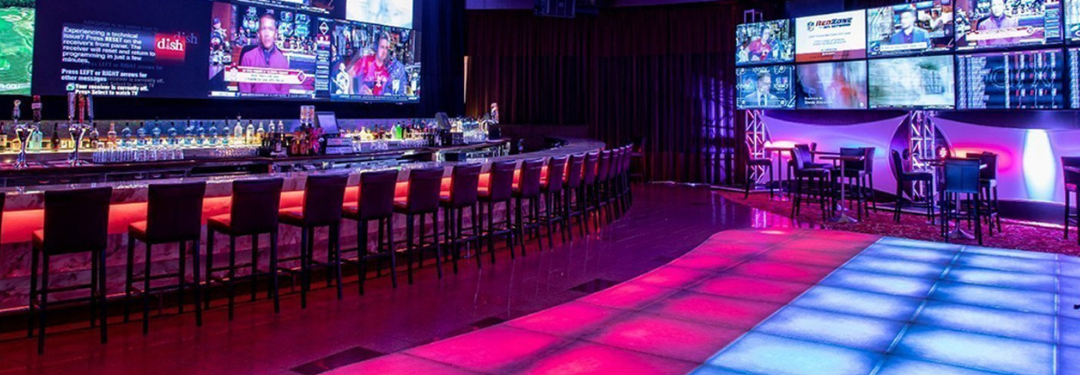
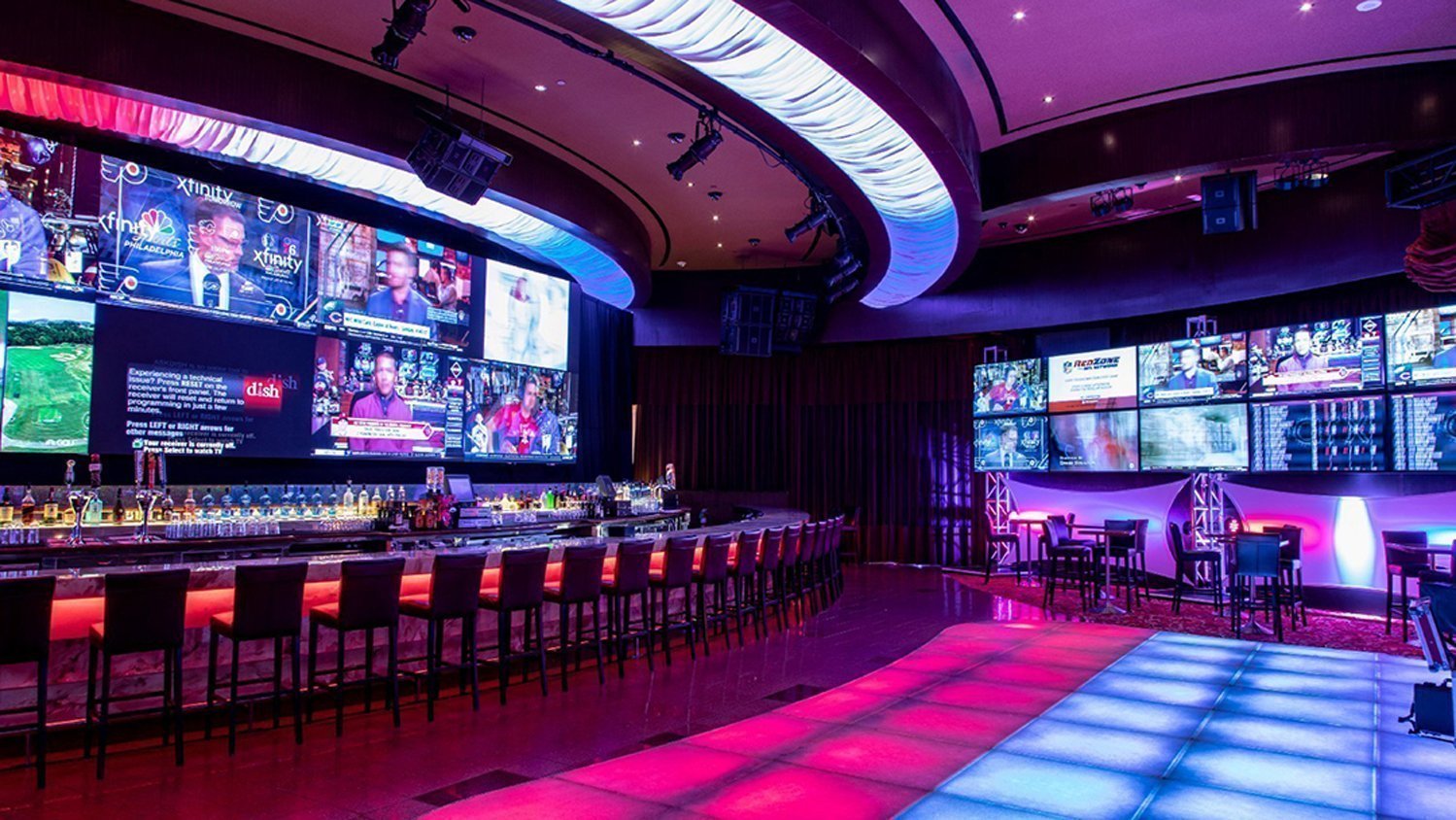
Parx Casino Lighting by Starlite

Every casino is in the business of immersion. The moment a guest steps through your doors, you are asking them to believe in an environment. That belief is built through every sense at once, and when your casino event production falls short in audio, visual, or lighting, the spell breaks. You lose them before they ever sit down.

The Stakes Are Different in Casino Event Production

Production managers at gaming properties carry one of the most complex briefs in live entertainment. On any given week, your venue may need to host a headline concert in the main showroom, a private high-roller reception in a ballroom, a general session for 1,200 conference attendees, and a themed activation on the casino floor. Each of these demands a different technical setup, a different crew approach, and a different standard of execution.

That is not simply an events calendar. It is an infrastructure challenge, and it demands a production partner who understands the difference between showing up and showing up prepared.

The right AV partner does not just fulfill your tech rider. They protect your brand, your guest experience, and your operational timeline, every single time.

Most venues can absorb a slow setup or an audio hiccup. A casino cannot. Your property operates around the clock. Load-in windows are narrow. Your guests are high-value and highly expectant. Consequently, a sound system that muddies dialogue during a comedy headliner, or lighting that flickers during a VIP dinner, is not a minor inconvenience. It is a brand failure with real revenue consequences.

Casino entertainment spaces also present some of the most acoustically complex challenges in live production. Sprawling open floor plans, hard, reflective surfaces, and ambient noise bleeding in from gaming areas are not problems a plug-and-play rental company is equipped to solve. They require engineered solutions, proper system design, and experienced professionals who have worked these rooms before.

Three Production Pillars Every Casino Property Should Demand

1. Audio: Clarity in Difficult Rooms

Line arrays, distributed systems, and proper gain staging designed around your specific architecture are all essential. A generic setup dropped in and left to chance is not a solution. Your audio system should be engineered for the room, not borrowed from a warehouse and hoped for the best.

2. Visual: Screens That Perform

From LED walls for main stage productions to seamless IMAG systems for large general sessions, your visual infrastructure should match the scale of your programming. Beyond that, it should be operated by technicians who understand pacing, camera direction, and how to keep an audience engaged across a long-format event.

3. Lighting: Atmosphere by Design

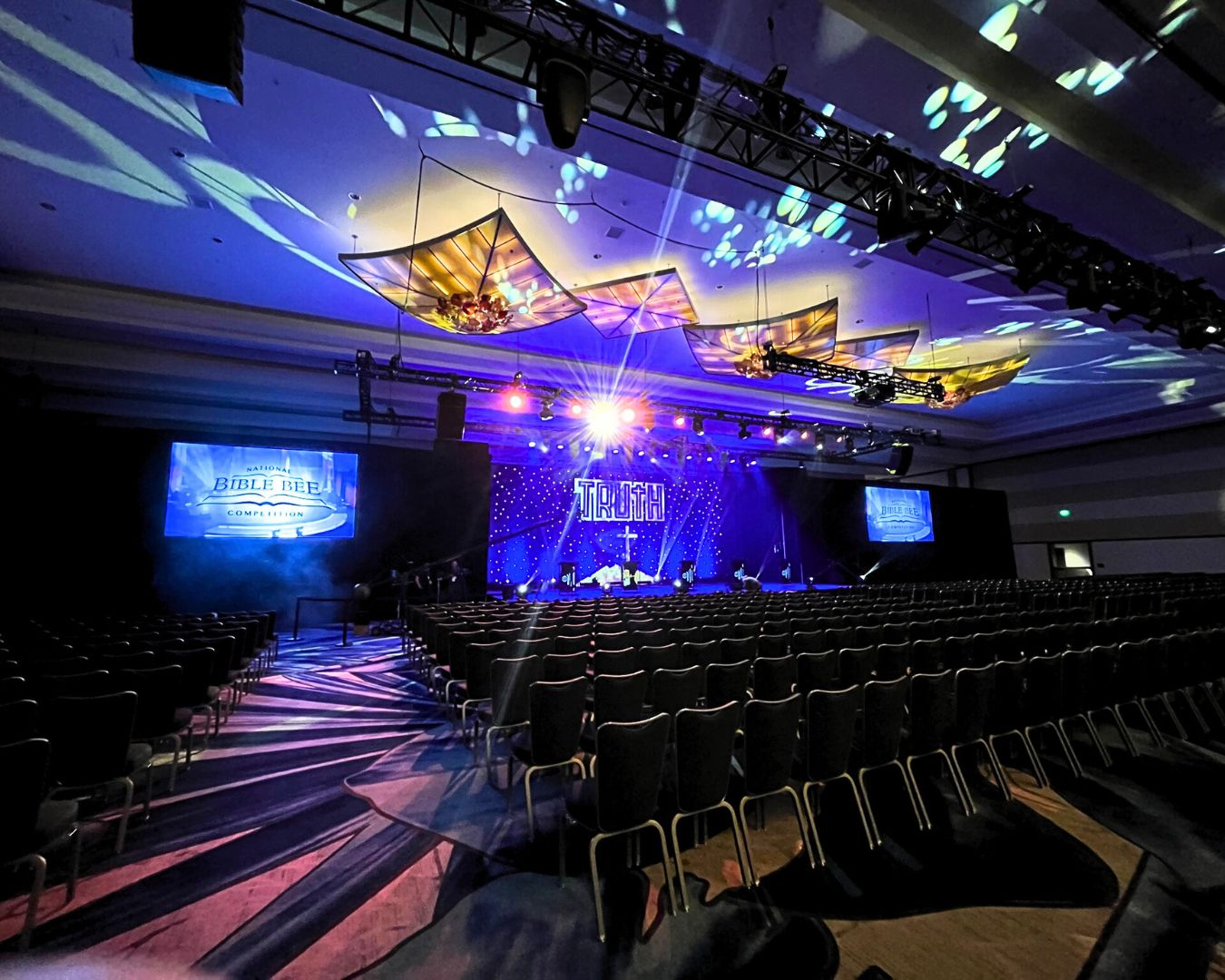
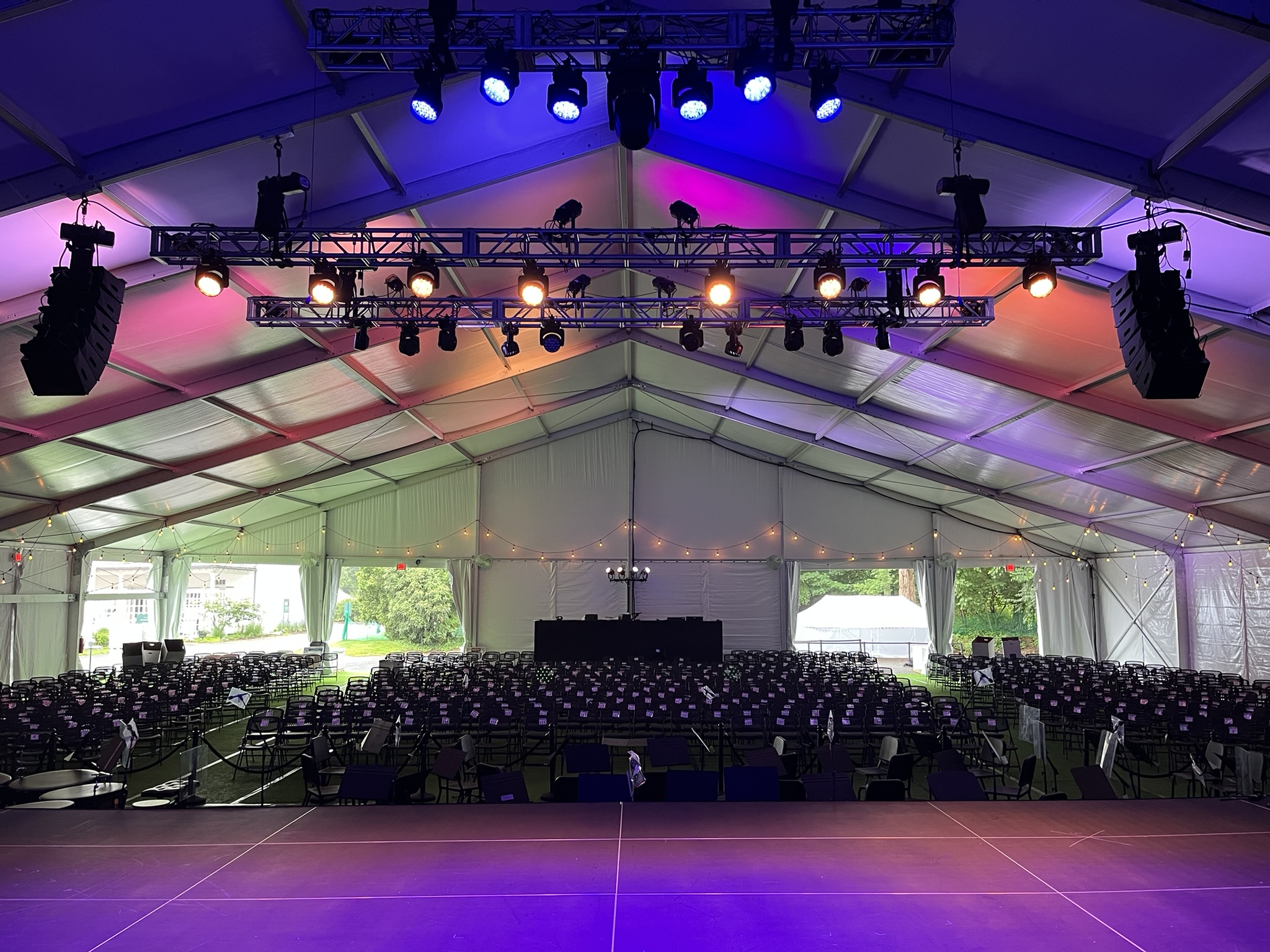
Concert-grade moving fixtures, precision color mixing, and control systems that let your team shift from a black-tie gala to a rock show with a single cue are the baseline. Great lighting design does not just illuminate a room. It transforms it, and in a casino environment, that transformation is part of what you are selling.

As a starting point, consider how industry organizations like AVIXA define best practices for large-venue audio and visual integration. Those standards exist precisely because casino AV production at scale requires more than off-the-shelf solutions.

?

What Separates a Production Partner from a Rental Vendor

A rental vendor delivers equipment and a driver. A production partner delivers outcomes. For a property like yours, that distinction matters enormously, and it shows up in the moments that are hardest to plan for.

When an artist’s tour manager sends over a technical rider at 11 p.m. the night before a show, you need a team that can read it, flag conflicts with your house infrastructure, and have a workable plan ready by morning. When your ballroom booking shifts from a 400-person gala to an 800-person awards show three weeks out, you need a partner who can re-engineer the audio coverage and lighting design without disruption to your other operations.

That level of responsive casino event production requires technical depth, proven systems, and a genuine familiarity with how gaming properties actually operate. It is not something you can source through a hospitality vendor catalogue or a search engine at the last minute. Gaming property event production has its own rhythms, its own pressure points, and its own standards, and your partner needs to already understand all three.

Casino production managers are not looking for gear. They are looking for certainty, the certainty that the show will go exactly as promised, no matter what changes between now and showtime.

For context on what technical riders typically demand from large-venue production teams, the Stagent guide to artist riders offers useful background on the scope of expectations artists and their representatives bring to every engagement.

The Coordination Burden No One Talks About

Beyond the technical scope, production managers at gaming properties are managing relationships across departments simultaneously. You are coordinating with marketing on brand standards, with facilities on load-in logistics, with security on access timing, with food and beverage on timeline conflicts, and with entertainment talent and their representation, often all at once.

The right production partner reduces that burden rather than adding to it. They arrive with advance site walks completed, cable runs pre-planned, and a crew that can work within your property’s operational rhythms without creating new friction points for your team.

Additionally, they understand that the showroom going dark at 2 a.m. is not just a production problem. It is a floor management problem, a staffing problem, and a revenue problem. Casino showroom production runs on tight margins of error, and that operational awareness should be baked into how your AV partner works, not something you have to explain at every event.

A Final Word on Standards

Your guests have seen great production. They have attended concerts at major arenas, experienced world-class hospitality in other markets, and they carry those reference points with them when they walk into your showroom. The baseline expectation is high, and it is rising.

A casino entertainment program that consistently delivers exceptional audio clarity, compelling visuals, and lighting design that transforms a room is not a luxury line item. It is, in fact, part of what keeps guests choosing your property over every other option within driving distance. The casino audio visual services behind that experience are what make the difference between a night guests remember and one they do not.

To understand what today’s guests expect from a premium entertainment environment, it is worth reviewing how Global Gaming Business Magazine covers the state of live entertainment investment across casino properties and the role production quality plays in driving repeat visitation.

At Starlite, we work exclusively with properties that take that standard seriously. If your venue demands casino event production that performs at the level your guests expect, we would like to be part of that conversation.

Let’s talk about your production needs.

Whether you are building out a new entertainment calendar or re-evaluating your current casino event production infrastructure, we are ready to listen before we propose.

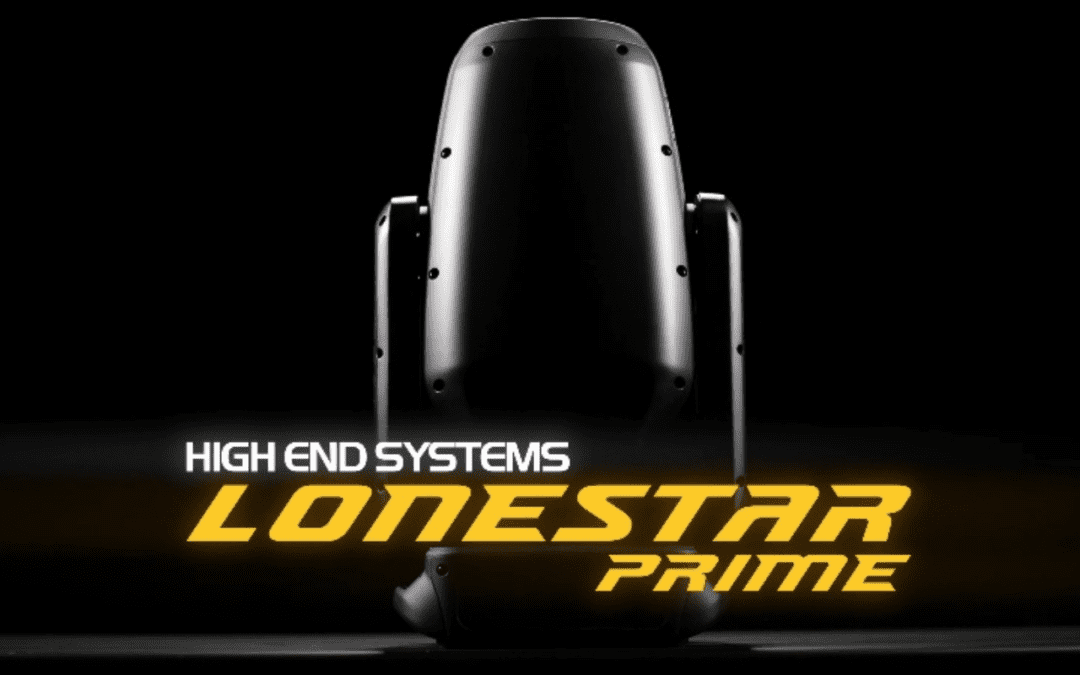
Product Spotlight: ETC Lonestar Prime Moving Head Fixture

Product Spotlight: ETC Lonestar Prime Moving Head Fixture

A Fixture That Keeps Up With Real Production Demands

In live production, flexibility matters. Whether you’re working on a concert tour, corporate event, broadcast setup, or outdoor festival, you need lighting equipment that can adapt quickly and perform reliably.

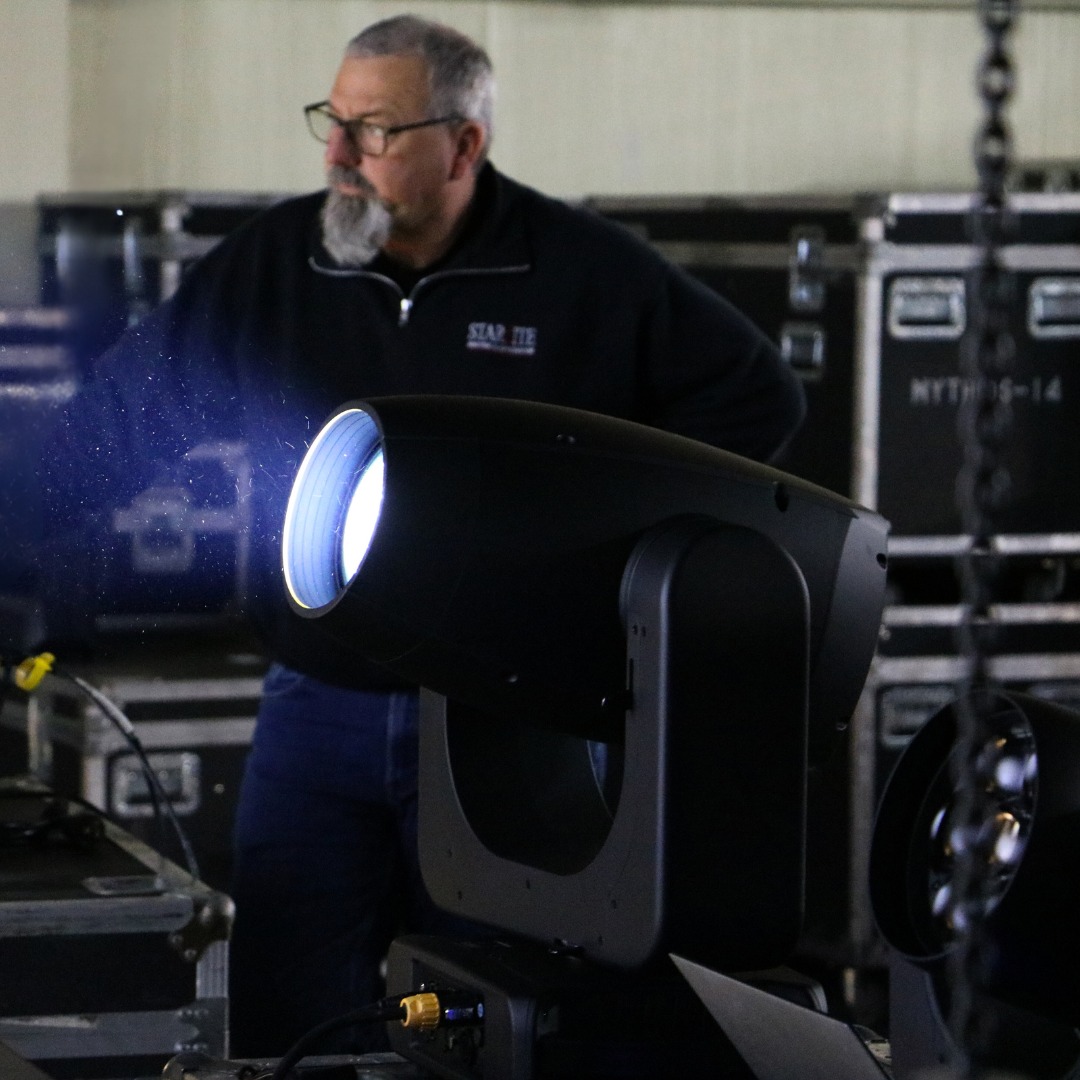
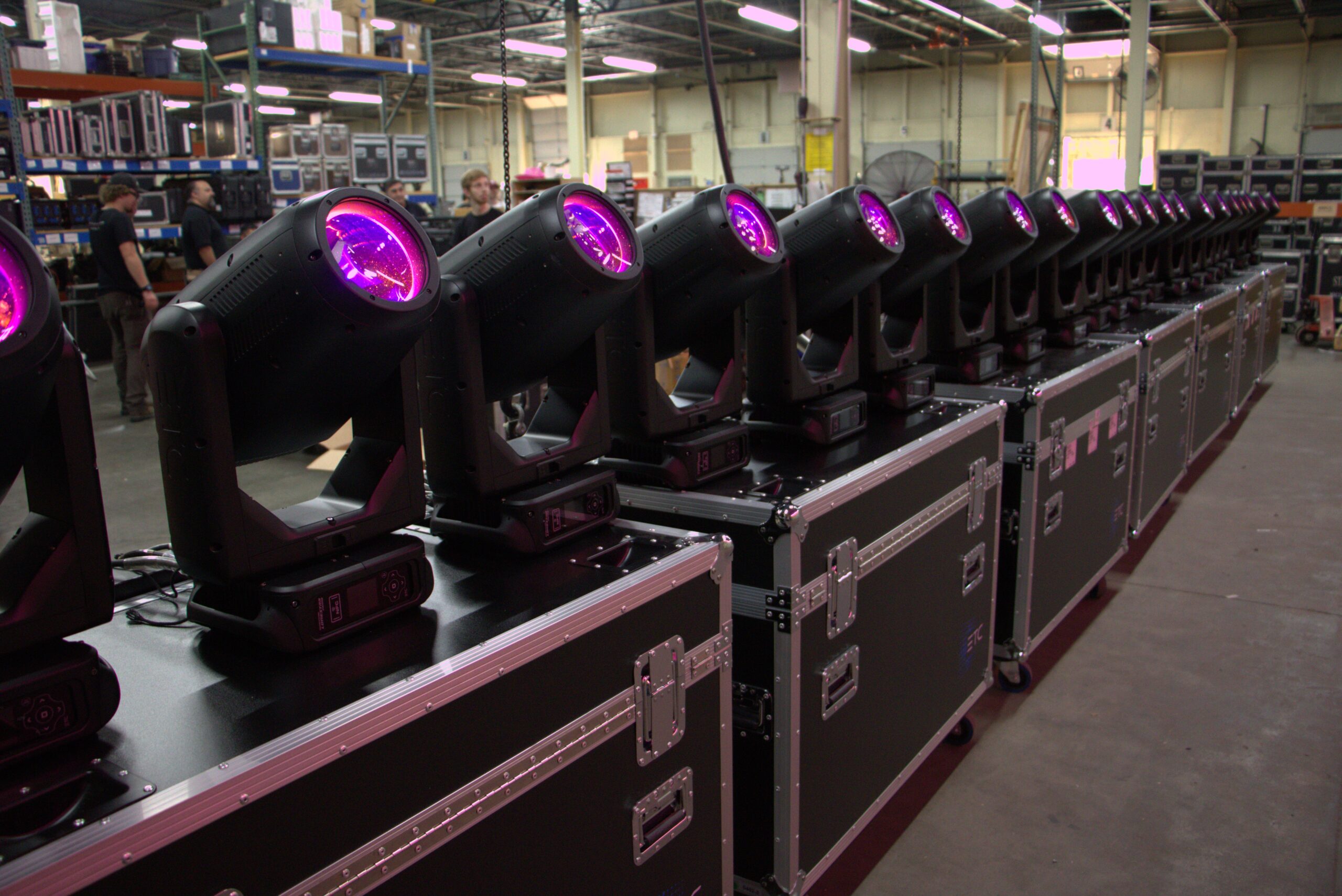
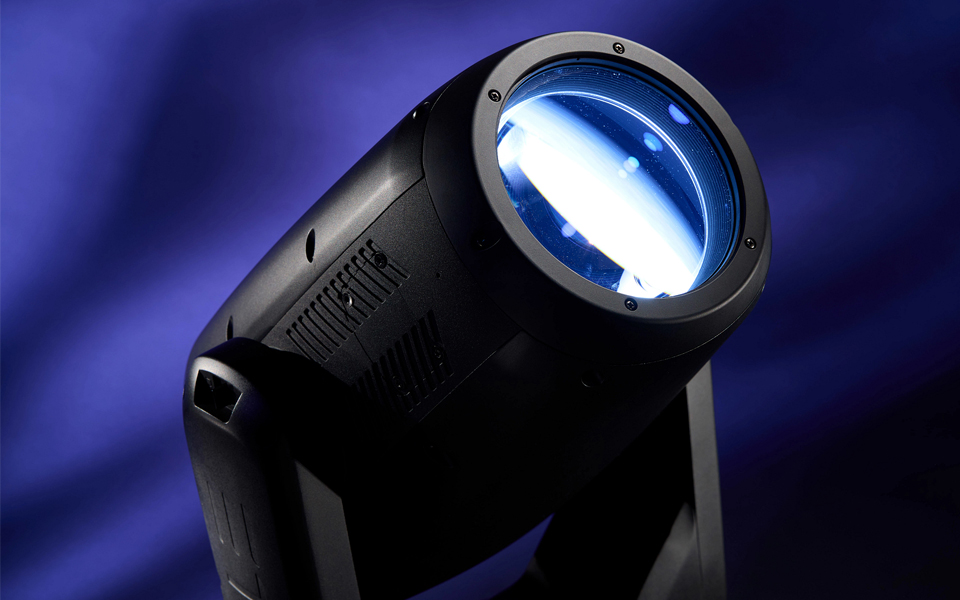
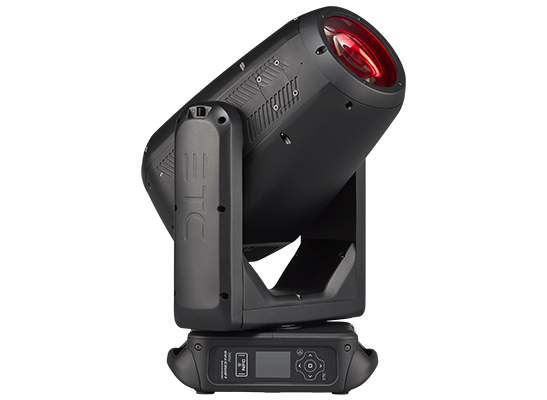
The ETC High End Systems Lonestar Prime, now available for rental and purchasing through Starlite, was designed with that in mind.

This compact automated lighting fixture combines strong output, creative tools, and weather-ready construction for teams that need one fixture capable of handling multiple roles without overcomplicating the rig.

Why We Added ETC Lonestar Prime Rental Fixtures to Our Inventory

At Starlite, we don’t add equipment to our rental inventory lightly. Every fixture we carry needs to perform in real-world production environments. The Lonestar Prime checked all the boxes.✔️

It brings together output, flexibility, and durability in a way that makes sense for today’s productions. Whether it’s a concert, corporate event, broadcast, or outdoor setup, this is a fixture that can handle multiple roles without compromise.

Ultimately, that made it a must-have for our inventory.


ETC Lonestar Prime Rental for Concerts, Broadcast & Live Events

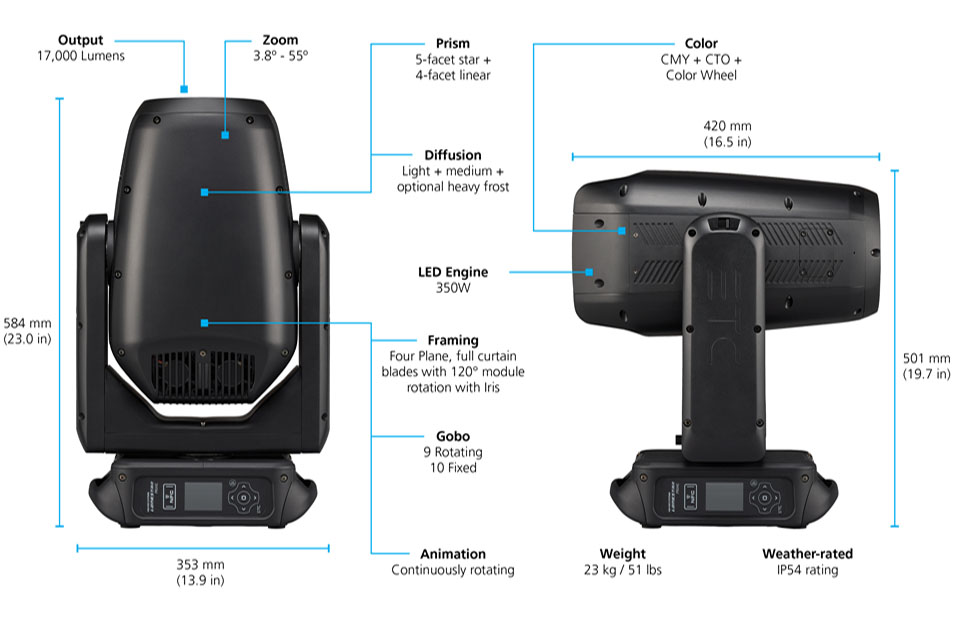
The Lonestar Prime delivers over 17,000 lumens, giving it the power needed for large stages, LED-heavy environments, and outdoor event lighting. At the same time, it maintains a smaller footprint than many comparable moving head profile fixtures.

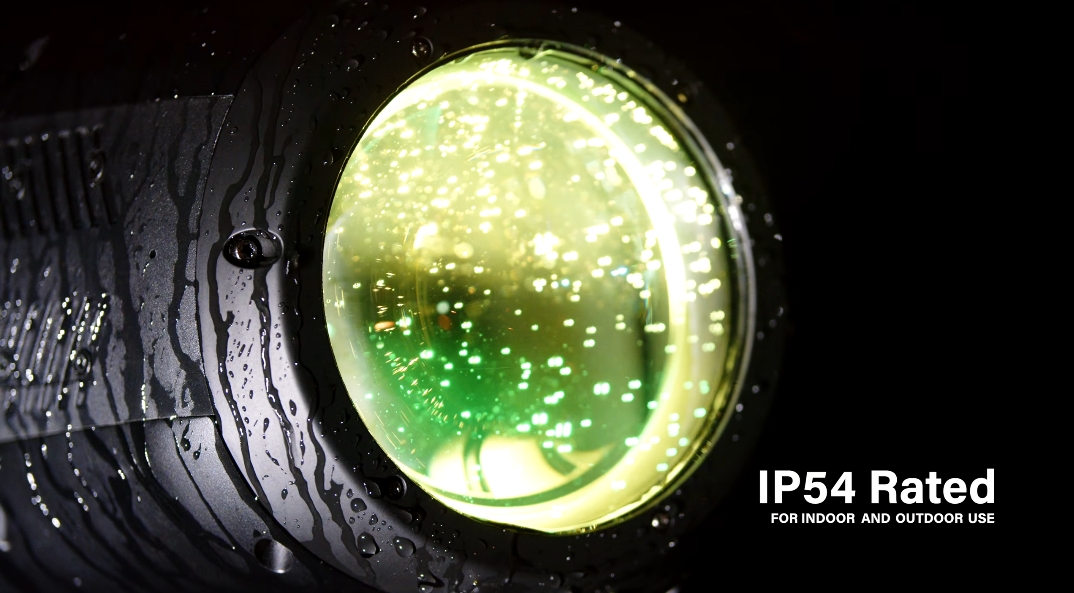
Additionally, with its IP54 rating, it’s built for both indoor and outdoor use, offering protection against dust and light weather. That makes it a reliable option for unpredictable environments.

Because versatility matters in modern production environments, the Lonestar Prime became a strong addition to our rental inventory.

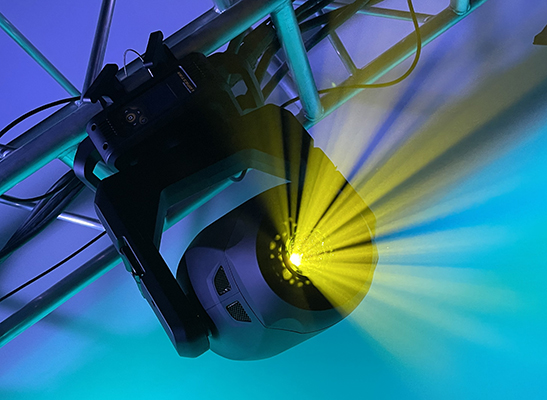
With a zoom range of 3.8° to 55°, it can shift from tight beam looks to wide coverage quickly. That flexibility allows designers and production teams to get more out of fewer fixtures.

For our clients, that means:

  1. More efficient lighting rigs
  2. Faster setup and programming
  3. Greater flexibility across different types of shows
"

Creative Control Without Overcomplication

The Lonestar Prime offers a full set of tools that support both subtle design work and more dynamic looks.

Color and Output

  CMY color mixing with CTO for smooth, accurate color control

  Strong color rendering for both saturated and natural looks

Beam Shaping

▪  Framing shutters for precise control

Iris for tightening beams and aerial effects

Effects and Texture

  Rotating and fixed gobos for pattern projection

  Animation wheel for added movement

▪  Dual prisms for layered effects

  Frost filters for softening output when needed

Key Features Include:

  • IP54 rating for indoor and outdoor use

  • 17,000+ lumens in a compact automated lighting fixture

  • Wide zoom range for beam, spot, and wash applications

  • Full creative toolkit with gobos, prisms, and animation effects

  • Dual rotating and indexable prisms

  • Dual rotating gobo wheels with seven high-precision glass gobos

  • Focusable animation wheel with continuous rotation in both directions

  • Electronic dimming for smooth light adjustment

Built for Real Production Environments


  • HIGH OUTPUT IN A COMPACT FORm 

  • A FULL RANGE OF CREATIVE TOOLS IN ONE FIXTURE

  • WEATHER RESISTANT FOR INDOOR AND OUTDOOR USE

  • THE FLEXIBILITY TO HANDLE MULTIPLE ROLES IN A LIGHTING DESIGN

A Flexible Moving Fixture For Modern Productions

  • concert lighting & touring productions

  • corporate events & general sessions

  • broadcast & live streaming

  • theatrical & venue installations

?
“The ETC Lonestar Prime checks a lot of the boxes we were looking for in this fixture class. The size/weight and feature set will make this a very useful tool for a lot of different applications, and the fact that it’s outdoor-rated is a huge bonus. We’re really excited to be adding these into our inventory.”
Jason Danowitz

Vice President of Show Technology, Starlite

NOW AVAILABLE— RESERVE FOR YOUR NEXT EVENT

The ETC Lonestar Prime moving head profile fixture is now available through Starlite.

Planning a tour, event, or installation? Our teams can help you determine how this fixture fits into your lighting design.

Contact us today to check availability and reserve units for your next production.

AV and Sound for Community Races and Running Events

AV and Sound for Community Races and Running Events

Planning AV and lighting for community races and running events takes more than setting up a few speakers near the start line. From outdoor sound coverage to power access and race-day communication, the right AV setup helps your event feel organized, professional, and engaging for participants and spectators alike.

You have spent months organizing the route, recruiting volunteers, lining up sponsors, and getting registrations in. The last thing you want on race day is a PA system that cuts out at the start line, a DJ setup that sounds great in one spot and dead in another, or no way to communicate with participants spread across a course. Good AV and sound makes a community race feel like a real event. Bad AV makes it feel like an afterthought.

Whether you are organizing your first 5K for a local nonprofit or managing an annual run that draws thousands, here is what you need to think about. Race organizers can also explore planning resources from the Road Runners Club of America when preparing community running events.

?

1. Outdoor Sound Is a Different Animal

Indoor venues have walls to contain and reflect sound. Outdoors, sound just disappears into open air. A system that would fill a gymnasium will barely cover a start line festival area. Outdoor races need properly sized line arrays or column speakers pointed directly at the audience, and if your event has multiple zones, a start area, a finish line, and an awards stage, each zone needs its own dedicated sound setup. One system trying to cover everything never works as well as it should.

2. The Start and Finish Areas at Running Events

Most race directors think of AV as one thing, but a well-run race really has two distinct production moments. The start line needs energy, an MC hyping the crowd, music building to the starting gun, and a PA system that projects clearly across a wide-open space full of nervous runners. The finish line needs clarity, a name announcer calling finishers, a results feed if you have one, and enough coverage that people waiting for their friends and family can actually hear what is happening. Plan these as two separate audio needs, not one.

Note: Many community races start at 7 or 8 AM. If your venue is in a residential area, check local noise ordinances before booking your sound system. The New Jersey Department of Environmental Protection provides guidance on statewide noise control requirements and local ordinance standards.

3. Wind Is Your Biggest Enemy

Wind does two things to outdoor sound: it pushes audio off-axis so it does not reach the audience, and it causes microphones to produce a low rumbling noise that drowns out the speaker. All microphones used outdoors need windscreens, and your AV team should know how to position and aim speakers to compensate for prevailing wind direction. This is not something to figure out the morning of the race.

4. Power Access Has to Be Figured Out in Advance

Parks, parking lots, and open streets, which are where most community races happen, rarely have convenient power access. Your AV company needs to either tap into nearby power with appropriate cabling or bring generators. Either way, this has to be scoped before the day of the event. Running out of power mid-race is not a recoverable situation.

5. Don't Overlook The Awards Ceremony

A lot of race organizers put all their energy into the start and finish and then scramble for the awards ceremony. This is actually a key moment, it is when sponsors get recognized, winners are celebrated, and the community feeling of the event peaks. Have a dedicated setup for the awards stage with a microphone, a speaker system sized for the crowd that will gather, and ideally some music playback capability. It does not need to be elaborate, but it needs to be planned.

Quick Planning Checklist 📋

  1. Book your AV company as early as you confirm your venue and route
  2. Plan start line, finish line, and awards stage as three separate audio zones
  3. Confirm power access or generator needs at each location
  4. Make sure all microphones have outdoor windscreens
  5. Check local noise ordinances, especially for early morning start times
  6. Confirm a dedicated AV technician will be on-site for the full event
  7. Do a site walkthrough with your AV team before race day

Serving Community Events Across New Jersey & Philadelphia Area

Starlite has provided AV and sound production for community races, festivals, and outdoor events across New Jersey and the greater Philadelphia area for over 40 years. We know outdoor events, and we know what race day actually looks like on the ground. From a small neighborhood 5K to a large charity run, we handle the audio and production so you can focus on your participants.

From AV and lighting for community races to full sound production for running events, Starlite helps race directors create organized, energetic experiences for participants and spectators alike.

You run the race. We will handle the sound.

Check out more recent blogs:

Why Your Casino Floor Deserves More Than Adequate Sound and Light

Why Your Casino Floor Deserves More Than Adequate Sound and Light

Every casino is in the business of immersion. The moment a guest steps through your doors, you are asking them to believe in an environment. That belief is built through every sense at once, and when your casino event production falls short in audio, visual, or...

Starlite COO Honored Among Philadelphia’s Titan 100 Leaders

Starlite COO Honored Among Philadelphia’s Titan 100 Leaders

Titan CEO and headline sponsor Cherry Bekaert are pleased to announce Joe Masciangelo, Chief Operating Officer, Starlite as a 2026 Philadelphia Titan 100 honoree. The Titan 100 program recognizes Philadelphia’s Top 100 CEOs & C-level executives. They are the...

How to Plan AV and Lighting for Your School Graduation Ceremony

How to Plan AV and Lighting for Your School Graduation Ceremony

Planning graduation ceremony AV and lighting takes more than setting up a microphone and a few speakers. Graduation day is one of the most meaningful events your school hosts all year. The last thing you want is a microphone cutting out mid-speech, an echo bouncing off gymnasium walls, or a livestream dropping the moment a student’s name is called. The good news: with the right AV and lighting partner, none of that has to be your problem.

Here is what you actually need to think about as you plan, without the technical overwhelm.

1. Book Your AV and Lighting Team Early 🤝

This is the most important thing on this list. AV and lighting companies in the Philadelphia and South Jersey area fill up fast during graduation season. If your ceremony is in May or June, reach out no later than February or March. Book your AV and lighting team at the same time you confirm your venue, these two decisions are directly connected.

2. Sound Is the Foundation, and it Needs a Pro 🔊

Every seat needs to hear every name clearly. Gymnasiums echo, while outdoor venues lose sound to wind. Additionally, a  professional AV company will walk through your venue before recommending a system, not just quote you equipment from a spreadsheet. Make sure they include a dedicated technician at the board on the day of, not just a setup and leave situation. Most importantly, always have a backup wired microphone at the podium. Always.

3. Lighting Is Its Own Thing, Plan It Separately 💡

Quick note worth knowing: in the events industry, lighting is typically treated as a separate discipline from AV. “AV” usually means audio and video. Lighting, even though it is visual, is its own category. So, when you are hiring vendors, make sure whoever you work with handles all three, audio, video, and lighting, as a package. Stage lighting that makes the ceremony look great in photos and on your livestream is not automatically included with every AV quote. Ask specifically.

4. Plan for the Livestream 📹

Families expect to be able to watch live. A quality livestream needs more than a camera on a tripod, it needs a dedicated operator, a clean audio feed from the board, and a reliable hardwired internet connection. And always record locally at the same time, so if the stream drops, you still have a clean file to share with families afterward.

5. Do a Rehearsal 🎙️

A technical rehearsal the morning of or day before the ceremony is not optional. This is when you find out that the podium is too far from the mic stand, or that the slideshow does not match the screen size. Fix problems in rehearsal, not in front of 500 families.

Large graduation ceremonies involve more than just staging and sound. Schools should also coordinate guest flow, communication plans, and overall event logistics well ahead of the ceremony date.

Schools can also review additional graduation safety and event planning guidance from the School Security resource center.

To keep your graduation ceremony running smoothly, confirm these AV and lighting details ahead of time:

Quick Planning Checklist 📋

  • Confirm venue & request technical spec sheet

  • Book your AV & lighting company 8 to 12 weeks out

  • Schedule a venue walkthrough with you AV and lighting team

  • Confirm sound, lighting, and video screens are all covered

  • Set up livestream & local recording

  • Send slideshow & video files to your AV team one week before

  • Schedule a technical rehearsal

Serving Schools Across New Jersey, Philadelphia Area, & More

Starlite has handled AV and lighting for graduation ceremonies, school productions, and assemblies across New Jersey and the greater Philadelphia area for over 40 years. We handle audio, video, and lighting together as one coordinated plan, so nothing falls through the cracks.

You focus on your graduates. We will handle the rest.

Starlite AV Graduation

Starlite is phenomenal to work with! We are so grateful for their knowledgeable team, their willingness to work with our budget & the ability to expand our existing system for special events.


Lisa J.

Starlite was great! I rented lights from them for the first time for an event and I loved it! They were very easy to work with and provided exactly what I needed. The customer service was exceptional and I am looking forward to working with them again in the future. The lights themselves were great and I got positive feedback from my team and attendees at my event. Definitely worth the recommendation!
Gregory B.

Manufacturer Spotlight: QSYS

Manufacturer Spotlight: QSYS

Manufacturer Spotlight: Q-SYS


Why Starlite Backs Q-SYS for Modern AV Systems

In professional AV systems integration, the technology itself is only part of the equation. The real measure of success is how intuitive the system feels for the people using it every day. Whether it’s a theater technician preparing for a performance, a facilities manager running a campus auditorium, or a corporate team starting a hybrid meeting, the expectation is simple: the system should work seamlessly.

At Starlite, that philosophy guides every integration project we undertake. It’s also a major reason why we have invested heavily in the Q-SYS platform developed by QSC.

Today, Q-SYS has become one of our flagship audio, DSP, and control ecosystems, allowing our systems integration team to deliver powerful AV infrastructures while keeping the user experience simple, intuitive, and reliable.

From Garage Startup to AV Industry Innovator

The story of Q-SYS begins with the founding of QSC in 1968 in Costa Mesa, California. What started as a small operation building power amplifiers in a garage eventually grew into one of the most respected companies in professional audio.

Over the decades, QSC earned a reputation for designing high-performance amplifiers, loudspeakers, and professional audio systems used in venues around the world—from performing arts centers and houses of worship to stadiums and corporate environments.

But the company’s most transformative development came with the creation of Q-SYS, a platform that fundamentally reimagined how AV systems could be designed and managed.

Rather than treating audio, video, and control as separate systems, Q-SYS introduced a software-centric architecture that unifies them into a single platform. Built with cloud connectivity and modern computing principles in mind, the system incorporates technologies such as:

  • Cloud-based AV architecture
  • AI and machine learning integration
  • Computer vision capabilities
  • Software-defined DSP and control processing

The result is an AV ecosystem that is scalable, adaptable, and designed for the evolving needs of hybrid environments, live events, and modern collaboration spaces.

The Power of a Software-Driven AV Platform

At the heart of the Q-SYS ecosystem is Q-SYS Designer Software, a powerful DSP design and programming environment that enables integrators to build complex AV systems using a single software interface.

Unlike traditional DSP platforms that require specialized hardware configuration early in the design process, Q-SYS allows engineers to develop and emulate systems virtually before hardware is deployed. This capability significantly improves efficiency and reduces risk during implementation.

Key capabilities include:

One software platform for all system sizes – from small meeting rooms to large performing arts venues

Emulation mode – enabling engineers to design and test systems without physical hardware

Third-party device integration – through Lua scripting and open ecosystem compatibility

Custom user control interfaces (UCI) – allowing the creation of tailored touch panel layouts with graphics, access controls, and intuitive workflows

For Starlite’s systems integration team, this environment provides a powerful canvas to design systems that meet highly specific operational needs.

But the real value emerges when that complexity is translated into simplicity for the end user.

Engineering Complexity So Users Don’t Have To

When AV systems are designed poorly, users often face confusing control panels, inconsistent workflows, or technical barriers that disrupt productivity.

Starlite approaches integration differently.

Our engineers perform the heavy technical lift behind the scenes—from DSP programming and control system scripting to device integration and network configuration. The goal is to ensure that when a user walks up to a control panel, they experience something that feels natural and familiar.

Starlite Field Engineer Nick Minieri, who programs many of our Q-SYS deployments in-house, emphasizes this principle in every design:

“Q-SYS is our flagship audio and control system right now. We use it heavily for DSP, but I also see huge opportunity in expanding it as a control platform. The touch panel experience is where we can really stand out as integrators.”

Nick Minieri

Field Engineer , Starlite | Systems Integration

Nick’s programming philosophy focuses on clean, intuitive interfaces that reflect how clients actually use their spaces.

This approach helps transform what could be a complex AV infrastructure into something that feels effortless for the people using it every day.

“We design the touch panels to feel smooth and intuitive. I often work with a customer’s brand style guide so the interface visually feels like it belongs in their environment.”

Nick Minieri

Field Engineer , Starlite | Systems Integration

A Platform Built for Modern Performance Spaces

One of the environments where Q-SYS excels is the performing arts venue.

Auditoriums and theaters require sophisticated systems capable of handling multiple technical disciplines simultaneously—audio reinforcement, control automation, distributed audio zones, and often live streaming or recording.

The Q-SYS platform enables Starlite to design systems that unify these functions within a single ecosystem.


Capabilities include:

Flexible Audio Routing

Large venues often require different signal routing depending on the event. Q-SYS allows operators to manage routing and processing through a centralized DSP architecture.

Background Music & Paging

Distributed audio across lobbies, backstage areas, and public spaces can be easily controlled from the same system.

Automation & Default States

Spaces can automatically return to a predefined state—resetting audio levels, control parameters, and operational modes for the next event.

Live Event Streaming

USB connections allow system audio and video feeds to be streamed to major online platforms, supporting hybrid or broadcast-style events.

These capabilities allow venues to maintain operational consistency while supporting diverse programming, from performances and lectures to conferences and community events.


Collaboration Spaces That Simply Work

Beyond performing arts venues, Q-SYS has become a major driver of modern corporate collaboration environments.

Boardrooms, conference rooms, and hybrid meeting spaces require a cohesive technology ecosystem that integrates:
  • Video conferencing platforms
  • Microphones and audio processing
  • Camera control
  • Display switching
  • Room automation

The Q-SYS platform allows all of these systems to operate through one unified control experience.

For end users, that means starting a meeting is often as simple as pressing a single button.

Behind the scenes, however, the system may be triggering dozens of automated processes—activating displays, routing audio, connecting conferencing software, adjusting lighting presets, and configuring cameras.

Again, the philosophy remains the same:

Make the experience simple for the user, regardless of the technical complexity underneath.


Training and Ecosystem Support

Another reason Starlite invests in the Q-SYS platform is the strength of its ecosystem and training resources.

Q-SYS offers a comprehensive training program that includes:

  • Self-paced online courses
  • Real-world design scenarios
  • Modular video lessons
  • Fully searchable training content
  • Free access to all learning materials

This open training model helps integrators continually deepen their expertise while enabling organizations to better understand the systems installed in their facilities.

For Starlite, that accessibility supports our long-term commitment to delivering systems that remain reliable and adaptable well beyond the initial installation.


Why Starlite Continues to Champion Q-SYS

When Starlite evaluates technology partners, we look beyond product specifications. We look for manufacturers that align with our core integration philosophy:

Deliver powerful systems that remain simple for the people using them.

The Q-SYS platform consistently supports that mission through:
  • Scalable software-based architecture
  • Powerful DSP and control capabilities
  • Customizable user interfaces
  • Robust third-party integrations
  • Continuous innovation in cloud-connected AV technology

As our integration team continues to design and install systems for performing arts centers, educational institutions, corporate environments, and large venues, Q-SYS remains one of the most versatile platforms we deploy.

And while the underlying technology continues to evolve, our focus is to build systems where the technology disappears—and the experience takes center stage.

Don’t forget to follow us on social: