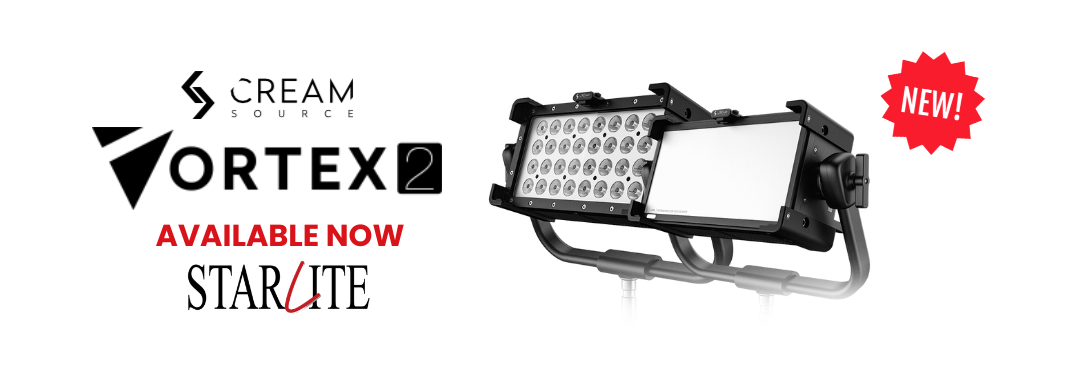
New Creamsource Vortex2 Series | Compact Vortex Lighting from Starlite

New Creamsource Vortex2 Series | Compact Vortex Lighting from Starlite

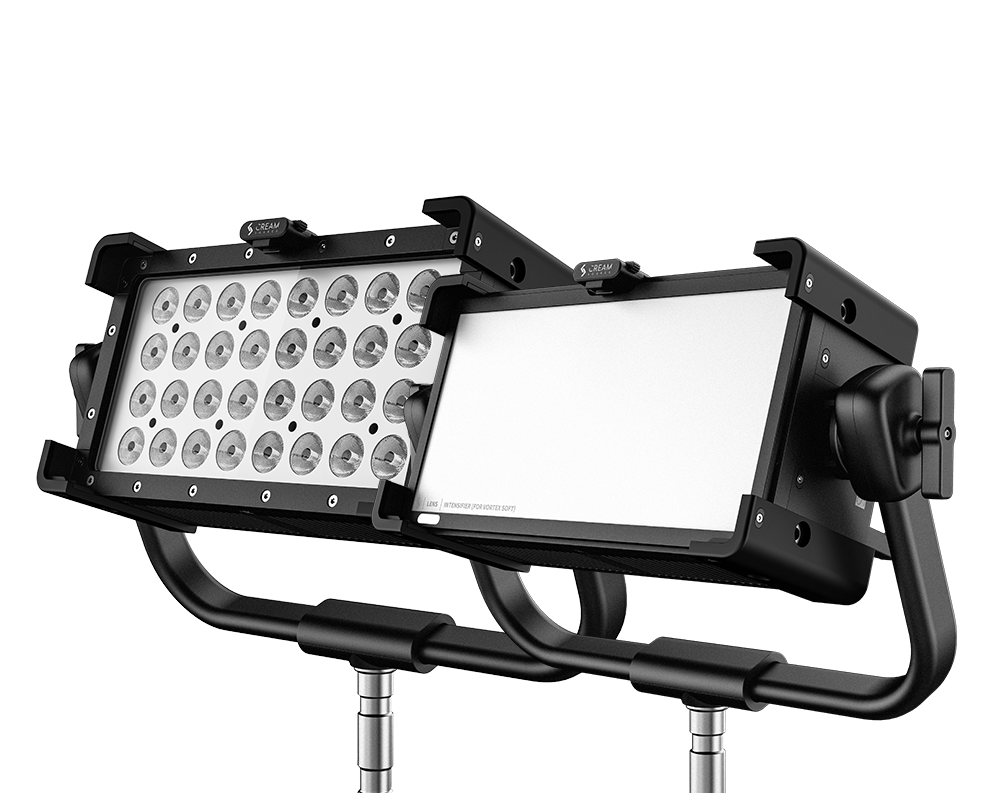
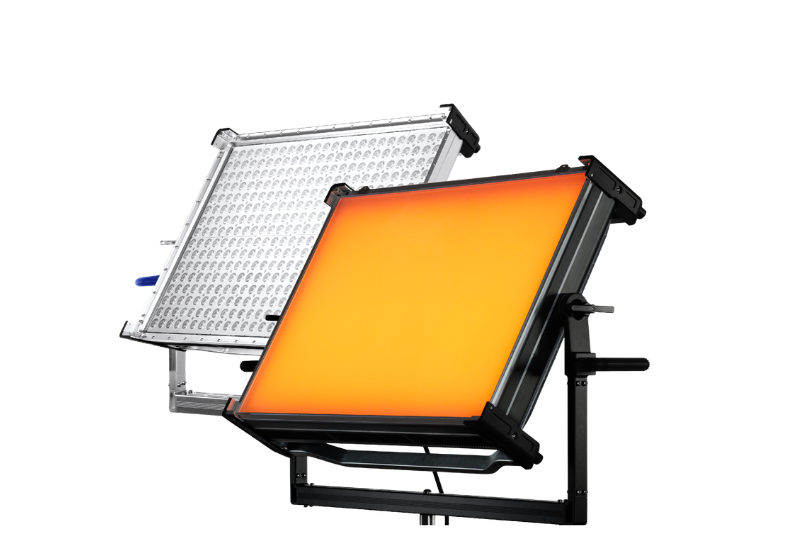
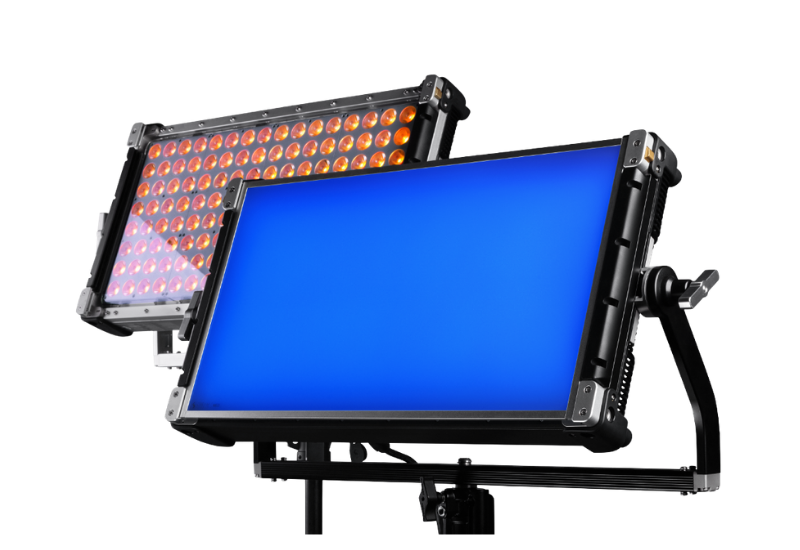
Creamsource Vortex2 Series compact LED lighting fixture

Creamsource Vortex2 Series: A Compact Addition to the Vortex Family

Creamsource has expanded its trusted Vortex lineup with the new Vortex2 Series. This compact 160W platform brings the familiar power, color consistency, and rugged build quality of the Vortex family into a smaller, more flexible form.

As an official Creamsource dealer, Starlite is excited to see the Vortex ecosystem continue to grow. The Vortex2 Series gives production teams a compact tool for fast-moving setups, tight spaces, and changing conditions.

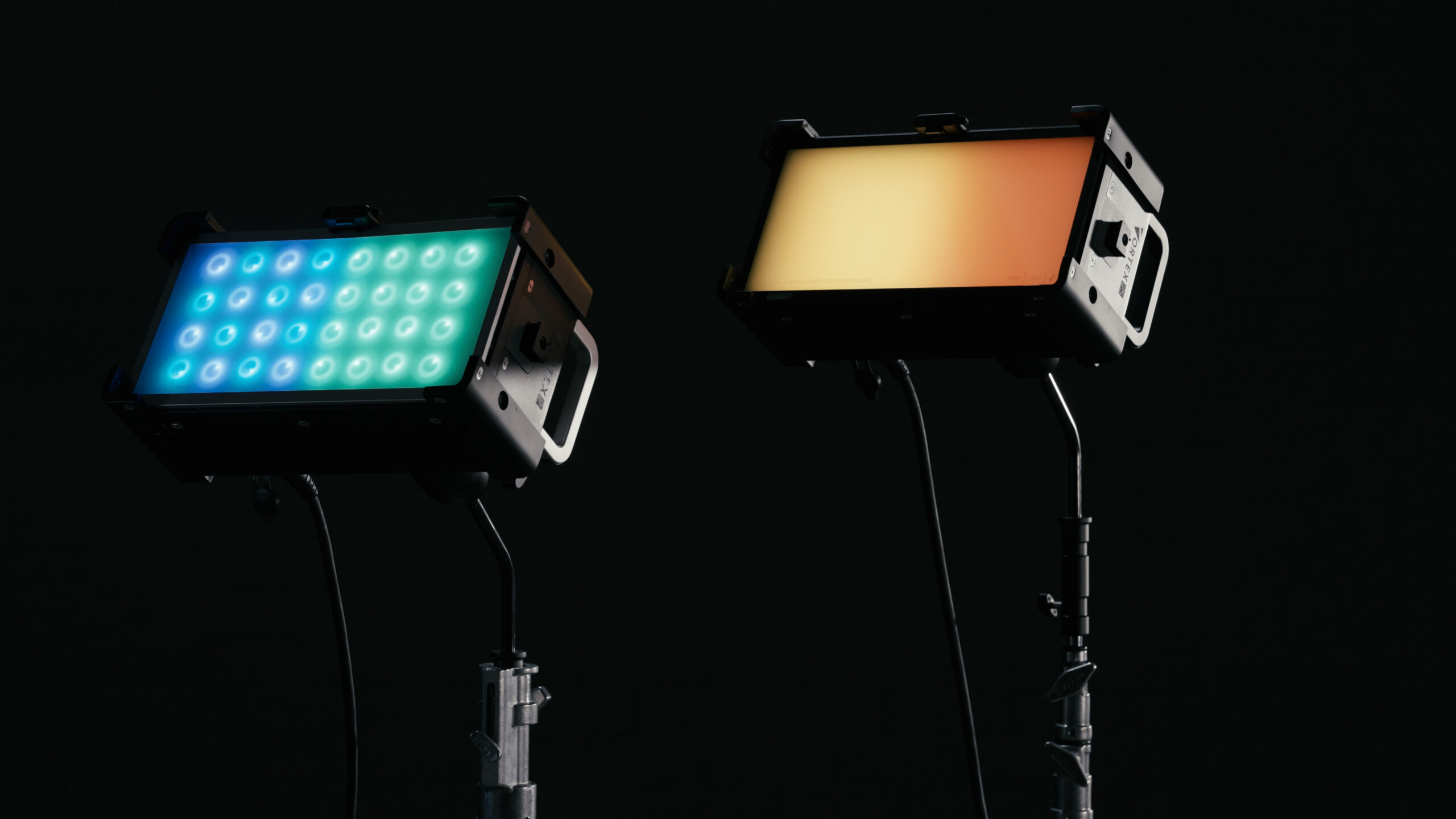
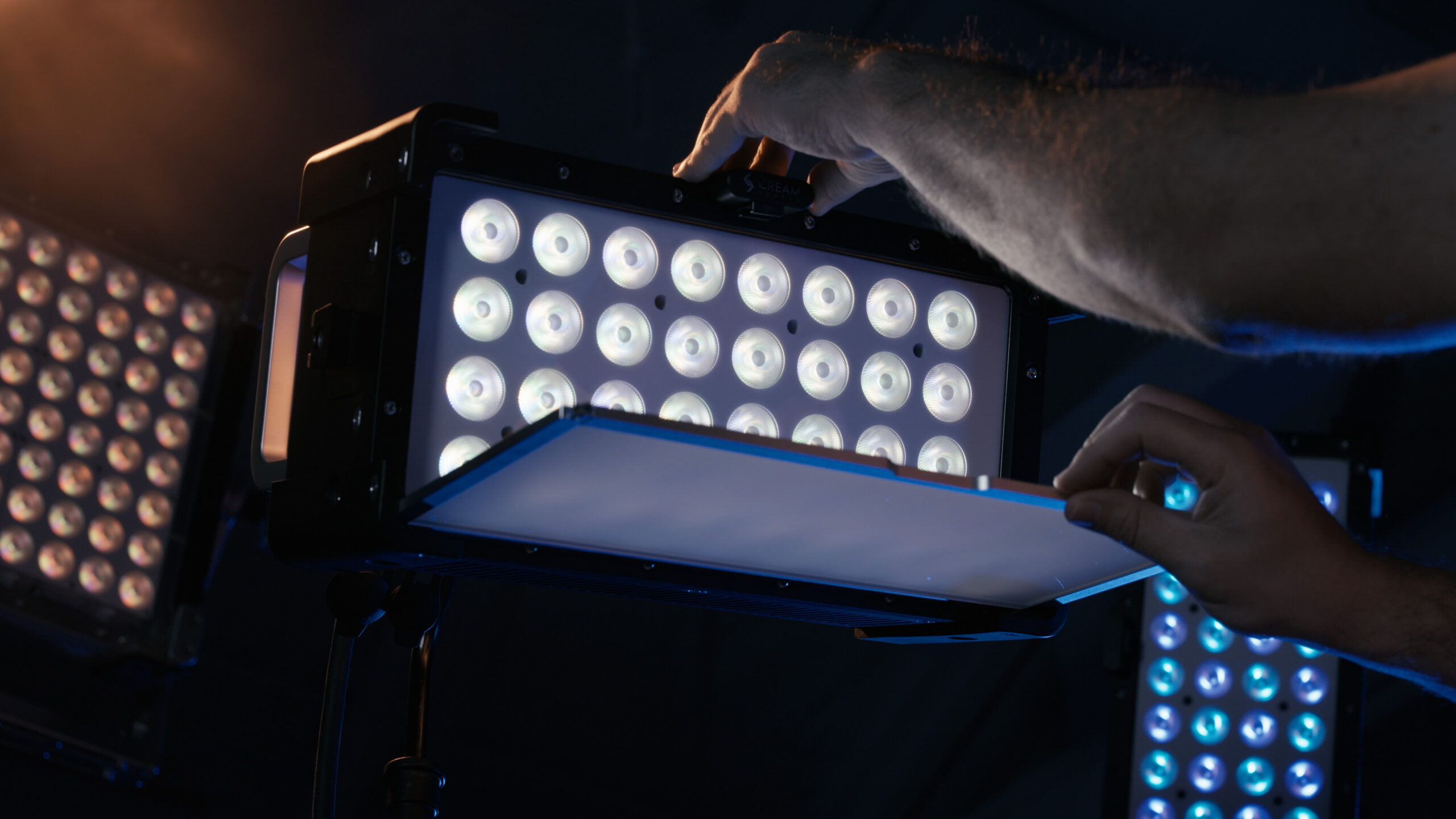
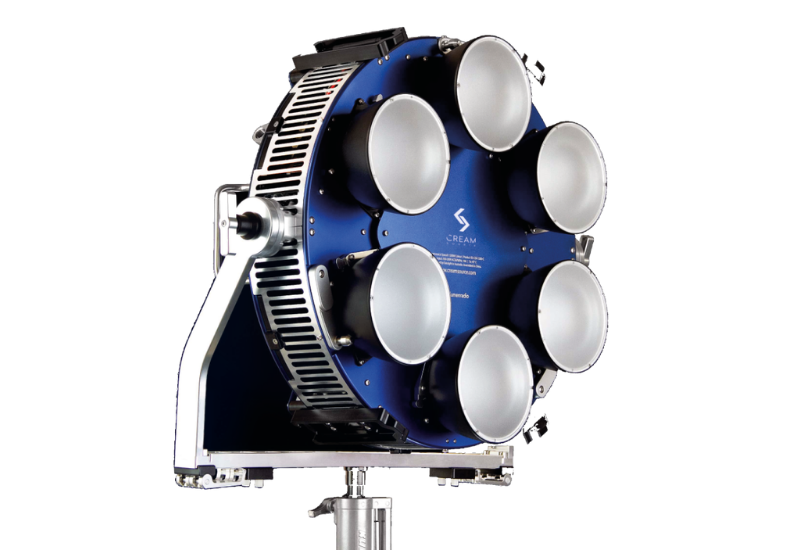
The series includes two models. The Vortex2 offers a tighter, more directional beam. The Vortex2 Soft provides a wider native spread for broader coverage. Together, they give crews more flexibility while keeping the same Creamsource workflow across the lineup.

How the Creamsource Vortex2 Series Moves with the Production

Compact fixtures often become some of the most useful tools on set. They move easily, rig quickly, and fit into spaces where larger fixtures may not be practical.

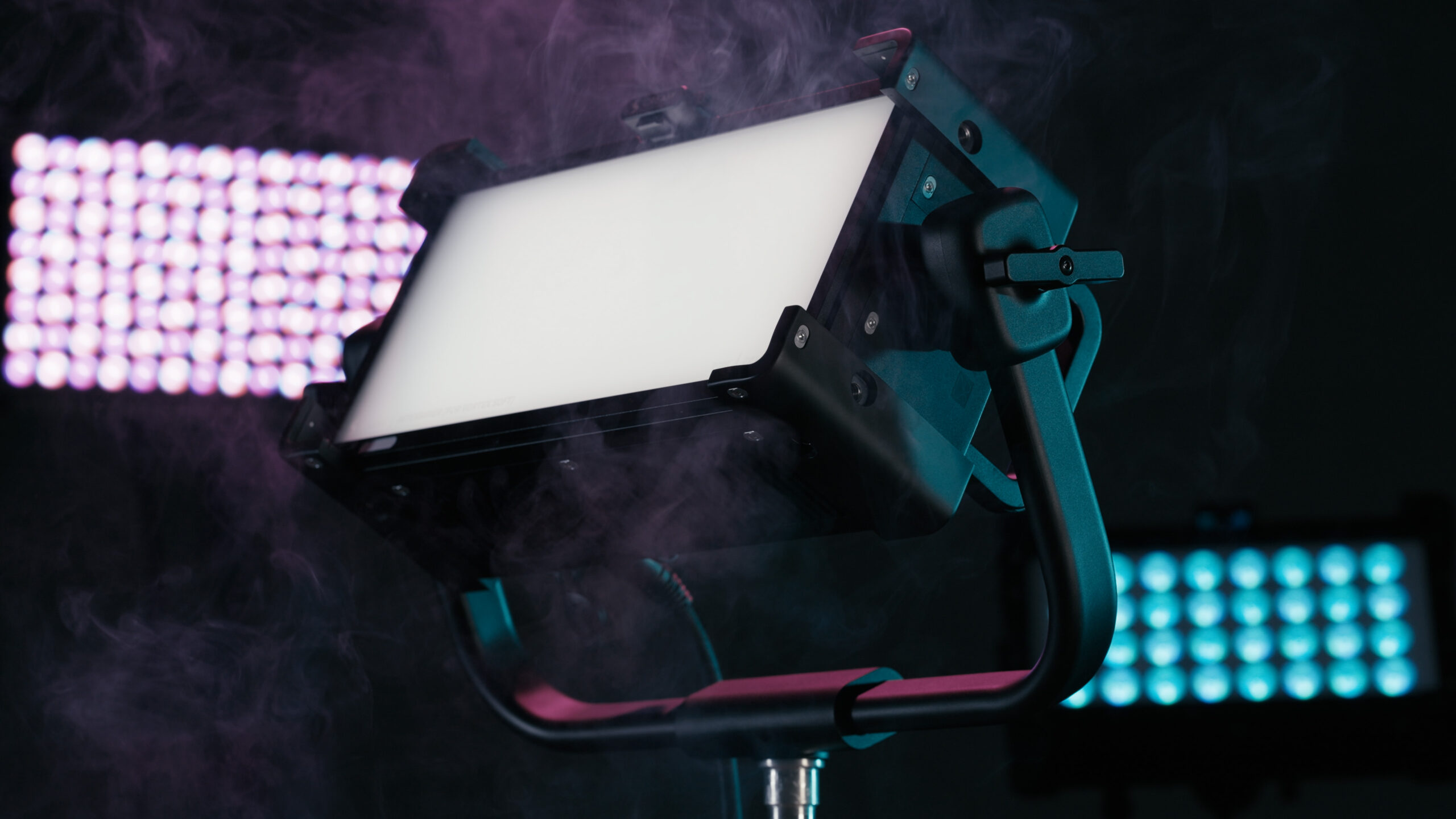
That is where the Vortex2 Series stands out. Its compact 160W design makes it easy to place in tight spots. Crews can also add it to multi-light arrays or rig it into more complex setups. As a result, it works well as a flexible source that stays close to the action.

The series also carries over the same core Vortex DNA. That includes CreamOS, IP65 weather resistance, RRGBBW color technology, and familiar control workflows. Because of that, crews can keep a dependable Vortex workflow across many production environments.

Two Output Options in the Creamsource Vortex2 Series

The Vortex2 Series gives users two output options. Each model supports a different type of setup.

The Vortex2 is the more directional model. It features a native 20° beam angle for tighter, more focused output. As a result, it works well when punch, shape, and control matter.

The Vortex2 Soft offers a native 110° spread. This makes it the better choice when crews need broader, softer coverage from a compact fixture.

Both models share the same compact platform. Therefore, crews can choose the output they need while keeping a consistent workflow, control experience, and color response across the Vortex family.

Designed for real-world rigging and control

Creamsource built the Vortex2 Series for practical production use. The fixtures include features that help crews work faster and cleaner on set.

Built-in LumenRadio, etherCON, pass-through DMX, and pass-through power support efficient multi-fixture setups. They also make daisy-chaining more practical. That means crews can simplify cabling when working with several units, longer linear arrays, or tight environments.

In addition, Creamsource added rigging features specifically for this series. These include multiple LNX sockets, 3/8” rigging points, a center mount socket, and support for a center mount gooseneck. Plus, the front-load accessory mounting system carries over. This gives crews a practical way to work with modifiers and accessories.

A 3-pin XLR DC input also supports portable battery operation with existing battery systems. As a result, the fixtures offer even more flexibility for location work and mobile production setups.

Starlite Creamsource V2 and V2S

Key Features Include:

  • 160W compact form factor
  • Two model options: directional and soft
  • 20° beam angle on Vortex2
  • 110° native spread on Vortex2 Soft
  • IP65-rated weather resistance
  • RRGBBW LED engine with red, deep red, green, blue, royal blue, and white emitters
  • CreamOS workflow
  • Built-in LumenRadio
  • etherCON connectivity
  • Pass-through DMX and power
  • Multiple LNX sockets and 3/8” rigging points
  • 3-pin XLR DC input for portable battery operation
  • Compatibility with the growing Vortex accessory ecosystem

Consistent Color Across the Creamsource Vortex Lineup

For crews already familiar with Creamsource, the Vortex2 Series offers a major advantage. It fits directly into the larger Vortex ecosystem.

The series uses Creamsource’s CCMS — Creamsource Colour Management System. This system helps maintain accurate and consistent color across the Vortex range. Therefore, crews can integrate Vortex2 Series fixtures alongside other Vortex units with confidence.

They also get a familiar operating environment, consistent color response, and a workflow they already understand. For film, broadcast, live events, studio work, and installations, that kind of consistency matters.

A Flexible Lighting Tool for Modern Productions

The Vortex2 Series supports a wide range of professional applications, including:

  • Film and television production
  • Broadcast and studio environments
  • Corporate events and branded experiences
  • Live events and performance spaces
  • Streaming and content production
  • Education, theater, and installed systems
  • Location work where compact, durable fixtures are essential

Crews can use the Vortex2 Series as a focused source, a soft compact wash, or part of a larger array. They can also move it from setup to setup as production needs change. Overall, it gives teams another practical option within the Creamsource lineup.

New from Creamsource, available through Starlite

The new Creamsource Vortex2 Series brings the trusted Vortex platform into a smaller, highly adaptable package. It offers professional control, rugged construction, consistent color, and flexible rigging options. Together, these features support the pace and demands of modern production.

As an official Creamsource dealer, Starlite can help clients explore the Vortex2 Series. Our team can also help determine how these new fixtures may fit into your production, system, or equipment needs.

Interested in purchasing or learning more about the Creamsource Vortex2 Series? Contact the Starlite team today.

Creamsource V2 lens_Starlite
Creamsource V2S lens-Starlite
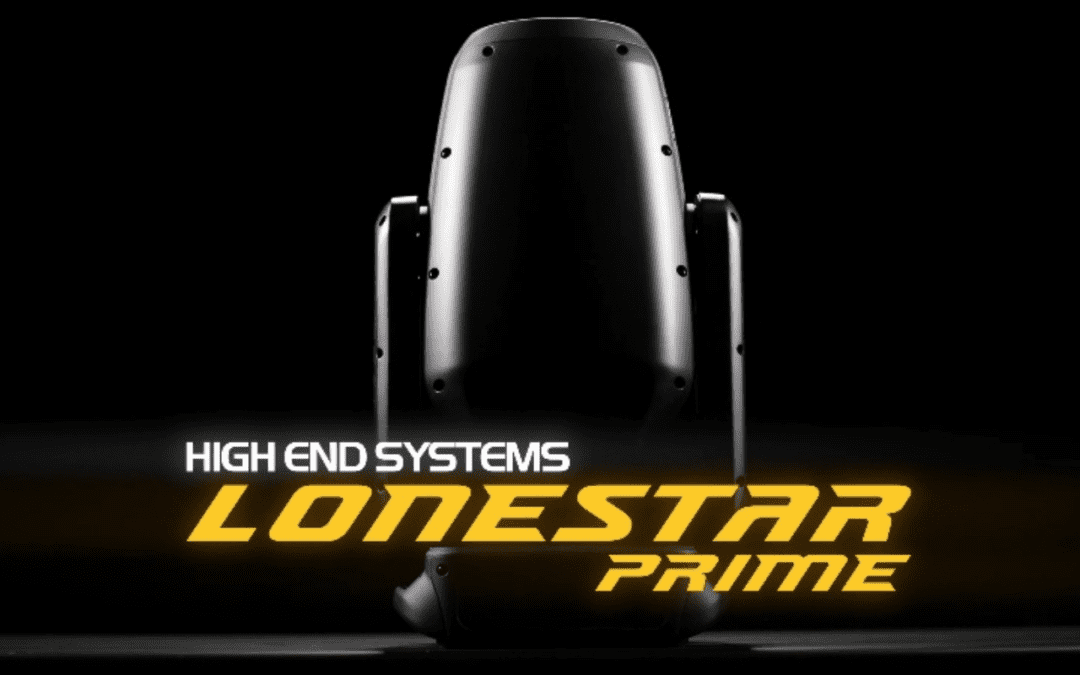
Product Spotlight: ETC Lonestar Prime Moving Head Fixture

Product Spotlight: ETC Lonestar Prime Moving Head Fixture

A Fixture That Keeps Up With Real Production Demands

In live production, flexibility matters. Whether you’re working on a concert tour, corporate event, broadcast setup, or outdoor festival, you need lighting equipment that can adapt quickly and perform reliably.

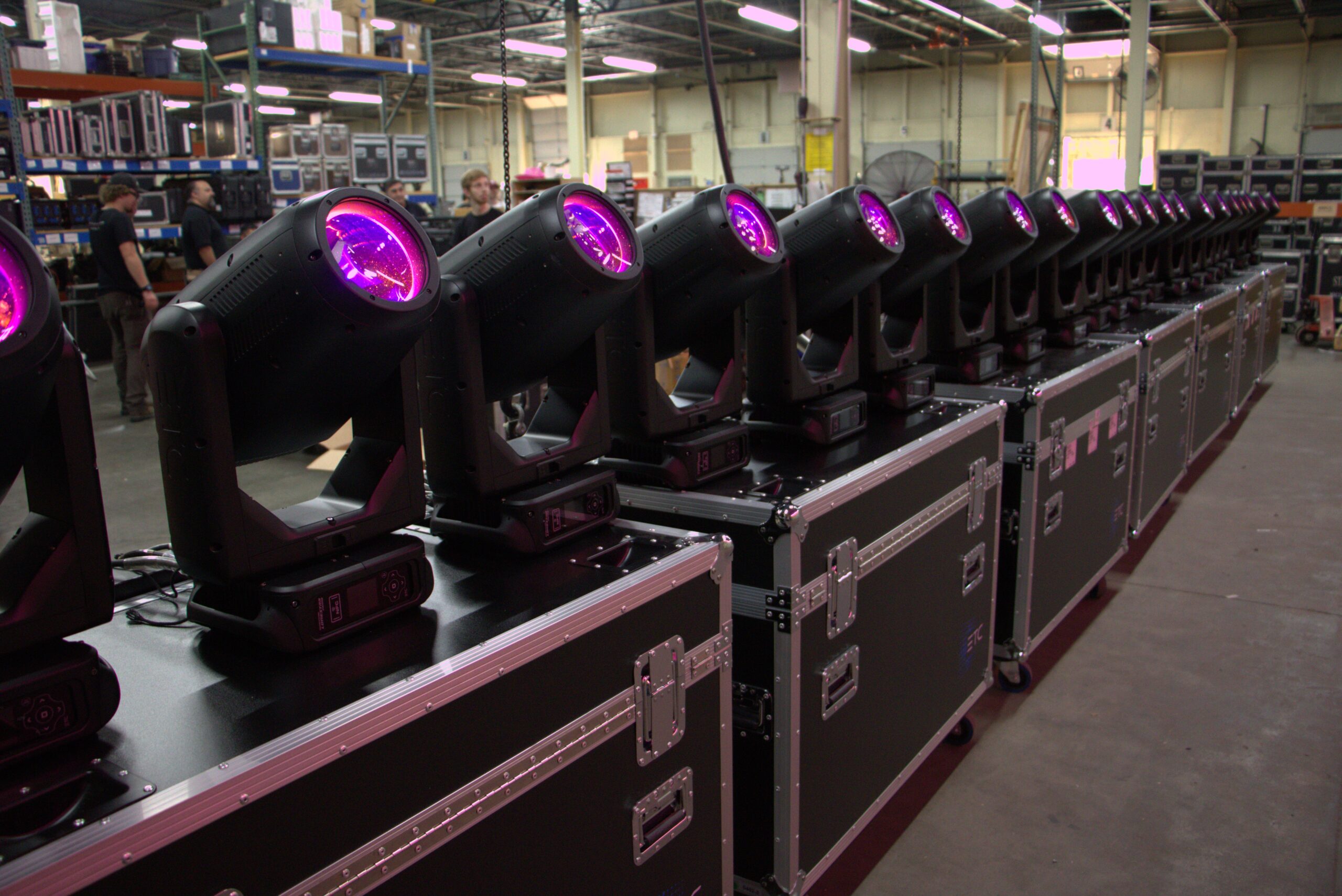
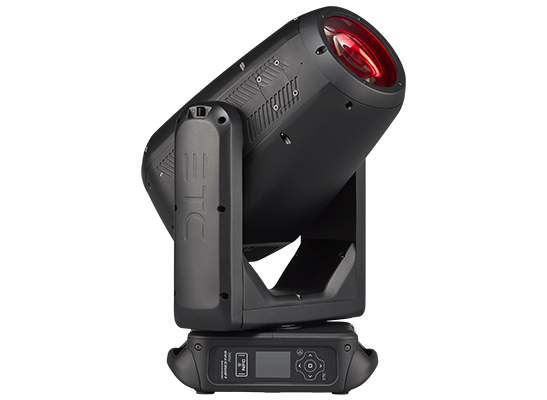
The ETC High End Systems Lonestar Prime, now available for rental and purchasing through Starlite, was designed with that in mind.

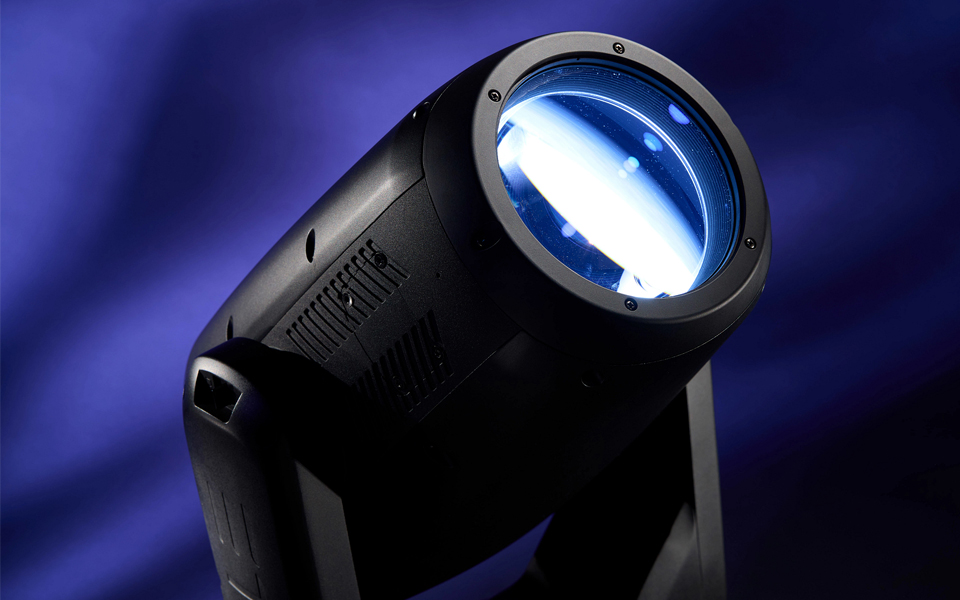
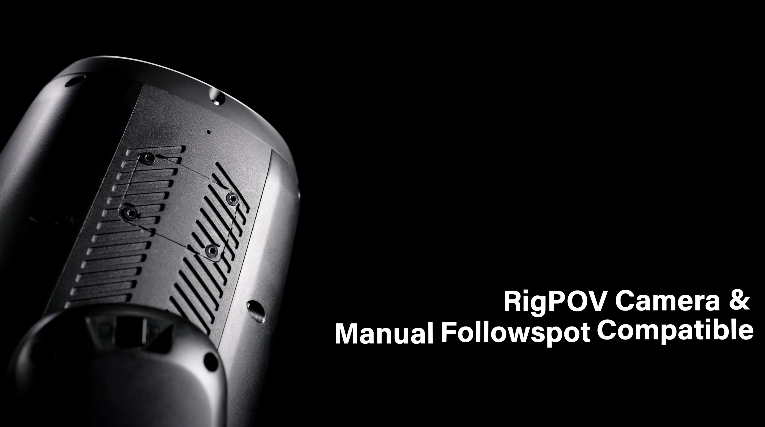
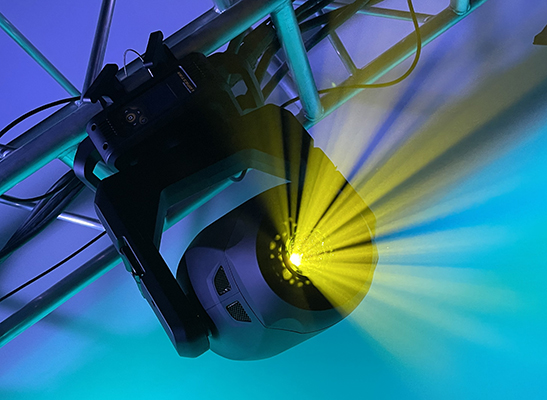
This compact automated lighting fixture combines strong output, creative tools, and weather-ready construction for teams that need one fixture capable of handling multiple roles without overcomplicating the rig.

Why We Added ETC Lonestar Prime Rental Fixtures to Our Inventory

At Starlite, we don’t add equipment to our rental inventory lightly. Every fixture we carry needs to perform in real-world production environments. The Lonestar Prime checked all the boxes.✔️

It brings together output, flexibility, and durability in a way that makes sense for today’s productions. Whether it’s a concert, corporate event, broadcast, or outdoor setup, this is a fixture that can handle multiple roles without compromise.

Ultimately, that made it a must-have for our inventory.


ETC Lonestar Prime Rental for Concerts, Broadcast & Live Events

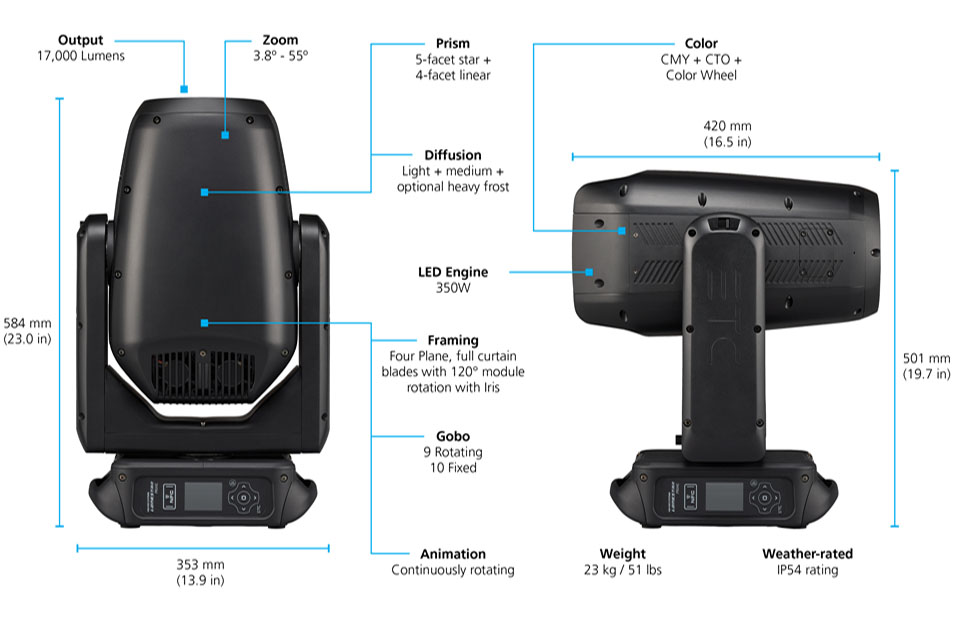
The Lonestar Prime delivers over 17,000 lumens, giving it the power needed for large stages, LED-heavy environments, and outdoor event lighting. At the same time, it maintains a smaller footprint than many comparable moving head profile fixtures.

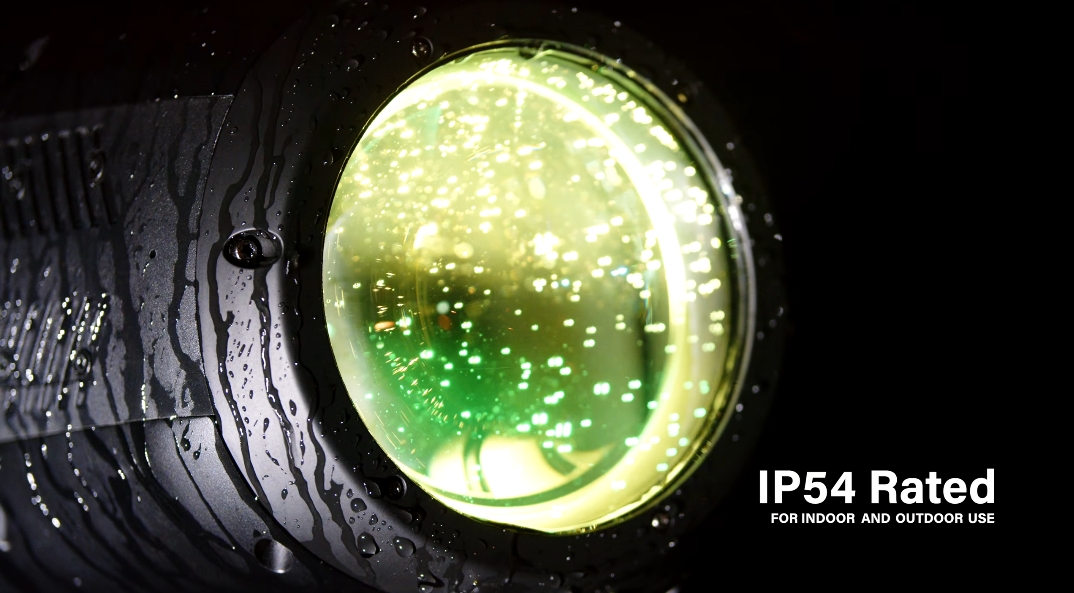
Additionally, with its IP54 rating, it’s built for both indoor and outdoor use, offering protection against dust and light weather. That makes it a reliable option for unpredictable environments.

Because versatility matters in modern production environments, the Lonestar Prime became a strong addition to our rental inventory.

With a zoom range of 3.8° to 55°, it can shift from tight beam looks to wide coverage quickly. That flexibility allows designers and production teams to get more out of fewer fixtures.

For our clients, that means:

  1. More efficient lighting rigs
  2. Faster setup and programming
  3. Greater flexibility across different types of shows
"

Creative Control Without Overcomplication

The Lonestar Prime offers a full set of tools that support both subtle design work and more dynamic looks.

Color and Output

  CMY color mixing with CTO for smooth, accurate color control

  Strong color rendering for both saturated and natural looks

Beam Shaping

▪  Framing shutters for precise control

Iris for tightening beams and aerial effects

Effects and Texture

  Rotating and fixed gobos for pattern projection

  Animation wheel for added movement

▪  Dual prisms for layered effects

  Frost filters for softening output when needed

Key Features Include:

  • IP54 rating for indoor and outdoor use

  • 17,000+ lumens in a compact automated lighting fixture

  • Wide zoom range for beam, spot, and wash applications

  • Full creative toolkit with gobos, prisms, and animation effects

  • Dual rotating and indexable prisms

  • Dual rotating gobo wheels with seven high-precision glass gobos

  • Focusable animation wheel with continuous rotation in both directions

  • Electronic dimming for smooth light adjustment

Built for Real Production Environments


  • HIGH OUTPUT IN A COMPACT FORm 

  • A FULL RANGE OF CREATIVE TOOLS IN ONE FIXTURE

  • WEATHER RESISTANT FOR INDOOR AND OUTDOOR USE

  • THE FLEXIBILITY TO HANDLE MULTIPLE ROLES IN A LIGHTING DESIGN

A Flexible Moving Fixture For Modern Productions

  • concert lighting & touring productions

  • corporate events & general sessions

  • broadcast & live streaming

  • theatrical & venue installations

?
“The ETC Lonestar Prime checks a lot of the boxes we were looking for in this fixture class. The size/weight and feature set will make this a very useful tool for a lot of different applications, and the fact that it’s outdoor-rated is a huge bonus. We’re really excited to be adding these into our inventory.”
Jason Danowitz

Vice President of Show Technology, Starlite

NOW AVAILABLE— RESERVE FOR YOUR NEXT EVENT

The ETC Lonestar Prime moving head profile fixture is now available through Starlite.

Planning a tour, event, or installation? Our teams can help you determine how this fixture fits into your lighting design.

Contact us today to check availability and reserve units for your next production.

Church AV Integration at Fellowship Bible Church

Church AV Integration at Fellowship Bible Church


At Fellowship Bible Church, their gymnasium had become a multi-use environment that needed more attention to properly support the events they host for their community. From weekly gatherings to larger events, the room was being used often, but the audio experience was not keeping up. The challenge was clear: the space needed to sound as good as it functioned. This is where Starlite, a leader in Church AV Integration specializing in audio, video, and lighting systems for churches and multi-use spaces, stepped in.


The Challenge: A “Cafegymatorium” in a Church Setting

Large, open gymnasium spaces are known for poor acoustics. Hard surfaces, exposed structure, and high ceilings create reflections that make speech hard to understand and music difficult to control. In these environments, reverberation is not your friend. These types of multi-purpose rooms are often labeled as “cafetoriums” or “cafegymatoriums” because they are expected to serve many functions without fully supporting any of them well.

At Fellowship Bible Church, the room faced the same challenges. As a result, excessive echo. Inconsistent coverage. Structural elements like metal beams contributed to unwanted reflections and feedback. The existing system needed more than a simple upgrade. It needed a thoughtful AV integration and acoustic solution.

Before

After

STARLITE’S CHUCRH AV INTEGRATION APPROACH

 Starlite’s Integration Team partnered closely with Fellowship Bible Church to deliver a professional AV integration tailored for a house of worship environment and multi-purpose church spaces. The team focused on improving the gymnasium acoustics while installing the necessary equipment for clear, reliable audio across a wide range of events.

Working within the established system designs, Starlite executed the technology installation with precision, ensuring each system was installed correctly, programmed effectively, and fully operational upon handoff. To support long-term success, Starlite’s Field Engineer, Nick Minieri, also provided hands-on training, giving the church team the confidence to operate and manage their new system day to day.

;

Acoustic Treatment That Changed the Room

Before any system can perform well, the room itself has to cooperate. Starlite installed 22 acoustic panels throughout the space to reduce reflections and control reverberation, a common challenge in gymnasium acoustics and other large multi-purpose rooms. These panels were strategically placed to address the most problematic surfaces and will be painted later to match the church’s aesthetic.

In addition, acoustic hardware was used to mitigate reflections caused by exposed metal beams. This step played a key role in reducing feedback and improving overall audio clarity across the room.

Once treatment was complete, the room was tuned to balance speech intelligibility and musicality. The difference was immediate. What was once a loud and unfocused environment became controlled and consistent.

System Installation

With the room under control, Starlite installed a professional-grade sound system designed for both power and clarity.

Main System Components:

  • 5 Martin T1230-W Passive Constant Curvature Enclosures
  • 1 Martin SX218-W Dual 18″ Subwoofer
  • 2 Martin IK42-DANTE Amplifiers with onboard DSP
  • Martin 15″ CDD Speaker
  • Acoustic Paneling
  • Rigging and hardware to support safe and precise deployment

Amplification and DSP were configured within a Dante-enabled audio network to ensure reliable performance and system flexibility. Additionally, the constant curvature design allows for even coverage across the listening area, which is critical in a wide, open gym. The subwoofer provides low-end support for music-driven events without overpowering speech applications.

The system was tuned to perform consistently across different use cases, from spoken word to full-band playback.

ELECTRICAL AND SYSTEM REFINEMENT

Beyond audio and acoustics, the project included updates to the electrical components supporting the system. These improvements provided a cleaner, more reliable foundation for daily operation.

Before completion, every system was tested, tuned, and verified before handoff. The result is a system the church staff can rely on without needing constant adjustment.

"

THE RESULT

Fellowship Bible Church now has a gymnasium that functions as a true multi-purpose space. Speech is clear. Music translates well. Events can shift throughout the week without technical limitations getting in the way.

Ultimately, this project was not about over-designing the room. It was about solving the right problems with the right tools and executing the installation with care. As an experienced AV and lighting company, Starlite delivered a solution built for how the space is used every day.

Starlite installed two display systems in our church, and I must tell you they were very professional and had years of experience in this field. From the first communication to the last, what a great team of very experienced staff installed it. I really enjoyed working with them; it was extremely easy to explain ideas to them, and they will supply you with more than just ideas plus actual work. I would strongly recommend Starlite locally and nationwide. Excellent job!!

Alex S.

Starlite is the best !!! Our church has been with them for over 20yrs and they have never failed us.

David M.

Starlite Becomes an Official Creamsource Dealer

Starlite Becomes an Official Creamsource Dealer

Starlite Becomes an Official Creamsource Dealer 


At Starlite, growth is the result of thoughtful partnerships, strategic investments, and a continued focus on giving our clients the best tools available. We’re proud to announce that Starlite is now an official Creamsource dealer. This means expanding our professional lighting portfolio with one of the most respected names in cinematic LED lighting.

This new dealership marks an important step in Starlite’s upward growth as a company. We’re excited to strengthen our ability to serve clients across all verticals while reinforcing our role as a consistent, one-stop shop for professional lighting solutions.

Expanding Starlite’s Professional Lighting Solutions

As lighting technology evolves, so do the expectations of our clients. From corporate environments and live events to broadcast, film, and education, today’s projects demand lighting that delivers accuracy, reliability, and flexibility without compromise.

By adding Creamsource to our lineup, Starlite expands the range of high-performance LED fixtures we can specify, support, and deliver. Which means ensuring our clients have access to proven tools that perform in real-world conditions.

Why Creamsource Is a Natural Fit for Starlite and Our Clients

Creamsource’s approach mirrors Starlite’s own philosophy: design solutions around how professionals actually work. Their fixtures are engineered with input from cinematographers, gaffers, and rental partners, resulting in products that balance cutting-edge technology with practical usability.

For our clients, this means new lighting options that integrate seamlessly with existing systems and workflows—backed by the same trusted Starlite team you already rely on for guidance, service, and support.

One Trusted Partner for Lighting Across Every Vertical

Starlite serves a wide range of industries, each with unique requirements, but all benefit from dependable, color-accurate lighting. As an official Creamsource dealer, we’re able to support projects across:


  • Film and broadcast 

  • Corporate AV and branded environments 

  • Live events and experiential productions 

  • Education, auditoriums, and performance spaces

With this expanded offering, our clients can continue working with one partner, one relationship, and one source for professional lighting—simplifying planning, procurement, and long-term support.

Creamsource: A Proven Legacy of Cinematic LED Innovation

Creamsource’s reputation was built long before LED lighting became industry standard. The company traces its origins back to 2004, when it designed and built one of the first large-scale, high-power LED installations used in feature film production.

Developed for George Miller’s Happy Feet, this groundbreaking system delivered 6kW of reliable LED light for motion capture—setting the stage for Creamsource’s long-standing role as an innovator in professional lighting.


From Early LED Breakthroughs to Today’s Advanced Fixtures

Over the years, Creamsource has consistently pushed LED lighting forward:

  • 2006: Developed bespoke LED ring lights for cinematographers seeking fixtures built to withstand demanding sets  
  • 2009: Designed custom LED equipment for productions like X-Men Origins: Wolverine and released the Doppio 2’ x 1’ LED Panel, redefining expectations for LED performance  
  • 2012: Expanded the lineup with the Mini 1’ x 1’ Panel, delivering the same rugged reliability in a compact form  
  • 2014: Introduced the Creamsource Sky, a powerful 1200W, five-color LED system operating completely silent and fan-free  
  • 2016: Launched third-generation LED engines, upgrading Doppio and Mini fixtures to “+” specifications with improved CRI and TLCI  


TV & Film

Today, Creamsource fixtures are trusted on productions including House of the Dragon, Dune: Part Two, Mission: Impossible – Dead Reckoning, Foundation and many more.


Designed for the Real World: Creamsource’s Product Philosophy

What sets Creamsource apart is its commitment to solving real on-set challenges. Their fixtures are designed to be durable, intuitive, and dependable—built not just to look impressive on spec sheets, but to perform day after day in demanding environments.

This philosophy aligns perfectly with Starlite’s focus on recommending products we trust, use, and can confidently support long after installation or delivery.

Creamsource Vortex24

Vortex24

Creamsource Vortex8

Vortex8

Creamsource Vortex24

SpaceX

Creamsource’s Next Chapter: Leadership, Growth, and Innovation

Creamsource is also entering an exciting new phase of growth with the appointment of Markus Zeiler in December of 2025 as Group Managing Director. Formerly CEO of ARRI, Markus brings decades of experience in LED development, global operations, and lighting leadership—having helped guide the industry-wide transition to LED technology.

With Markus overseeing operational growth, founders Tama Berkeljon and Sasha Marks are able to focus even more deeply on R&D and future product innovation. This leadership structure positions Creamsource to scale while staying grounded in the needs of working professionals.


What This Means for Starlite Clients

For our clients, becoming a Creamsource dealer means more options, more consistency, and more confidence in your lighting solutions. Whether you’re planning a production, upgrading a space, or designing a new system, Starlite can now deliver an even broader range of professional-grade lighting. On top of it all it’s supported by a team that understands your goals from start to finish.

We’re excited to welcome Creamsource into the Starlite family and look forward to putting these powerful tools to work for you.

Don’t forget to follow us on social:

2026 Latest Trends Report

2026 Latest Trends Report

The 2026 AV & Lighting Trends Report


AV Is Entering a New Era of Expectation

AV and lighting design are evolving faster than most spaces can keep up. Audience expectations have reset, operational demands have intensified, and the technology landscape is shifting. It’s moving from systems that simply function to systems that elevate how people engage. Across performance venues, educational environments, museums, entertainment properties, and trade show floors, the baseline for a “good” experience has risen dramatically. Today’s audiences compare every environment to the best they’ve seen anywhere else. Whether that’s a touring production, an immersive exhibit, or a polished livestream, technology has also expanded what’s possible. Tools that once required specialized expertise are more accessible, flexible, and adaptable. The result is a widening gap between what many existing systems can do and what organizations now need them to do. Systems designed eight to fifteen years ago weren’t built for hybrid events, dynamic lighting looks, flexible routing, high-contrast visuals, or modern coverage expectations. This report explores eight trends that signal where AV, lighting, and experience design are headed in 2026. Also, this report will describe what that means for organizations planning smarter, more adaptable spaces today. These trends reflect both the current trajectory of technology and the emerging expectations shaping how spaces will need to perform in the years ahead.

Trend 1: LED Lighting as the Universal Baseline


LED lighting is no longer an upgrade path. It is now the groundwork for every modern space. As incandescent fixtures fade out and maintenance-heavy systems reach end-of-life, LEDs have become the default for auditoriums, exhibits, museum environments, performance spaces, and branded installations. What’s changing heading into 2026 is not simply the adoption of LEDs, but the sophistication of how lighting is being used. Color-capable fixtures, smoother dimming curves, and more refined control options are enabling spaces to shift tone, mood, and purpose instantly. Lighting infrastructure is becoming more scene-based and more flexible, supporting everything from high-impact performances to subtle exhibit environments and multipurpose presentations. Control is now as important as the fixtures themselves. Modern lighting systems rely on thoughtful integration. This includes DMX distribution, networked nodes, and intuitive interfaces that allow staff to select repeatable looks without complex programming. As a result, lighting is evolving from a static tool into a dynamic part of experience design.

2026 DIRECTION:

Lighting becomes a storytelling instrument across all venue types. Expect continued movement toward smarter presets, fluid transitions, and immersive environments that support varied programming without increasing operational complexity.

2026 DIRECTION:

Audio systems are becoming more modular, more adaptive, and more dependent on thoughtful acoustic strategy. Intelligibility is becoming a primary performance metric influencing both system architecture and long-term planning.

Trend 2: Distributed, Networked Audio Becomes the Standard for Intelligibility

Clear, consistent audio has become one of the most defining factors in how an audience perceives the quality of a space. That shift is driving a transition away from centralized loudspeaker clusters toward distributed coverage models that deliver intelligibility evenly across the room. Networked audio—using protocols like Dante and AVB—continues to cement itself as the backbone of modern audio systems. These architectures enable flexible routing, expansion, remote monitoring, and integration across audio, video, and control systems. Alongside this, modern DSP platforms are playing a larger role in shaping clarity, coverage, and consistency through advanced tuning and zoning.

This direction is emerging across a wide spectrum of environments:

  • Performance halls that require precise reinforcement for music and speech.
  • Museum exhibits built around narration and ambient soundscapes.
  • Trade show activations where clarity competes with environmental noise.
  • Multipurpose spaces that must support everything from presentations to performance.

Trend 3: Visual Storytelling Expands to LED Walls, Projection, and Media Integration

Visual infrastructure is becoming one of the strongest drivers of how a space communicates identity and purpose. Where video once served as a functional tool (slides, playback, basic IMAG), it’s now shaping the entire experience of a room. LED walls, high-brightness projection, and flexible media systems are increasingly designed into the space rather than added on top of it. This shift appears across nearly every environment: schools using LED walls as dynamic scenic backdrops, museum exhibits relying on projected environments to tell richer stories, casinos incorporating large-format displays as architectural elements, and portable event or trade-show setups that use modular LED systems to create immersive brand moments. As visual expectations rise, the underlying infrastructure must rise with it. Hybrid and broadcast needs are also influencing design decisions. Spaces that once served only in-person audiences now require camera positions, lighting considerations for capture, and integrated switching systems that support recording or streaming without reconfiguring the room.

2026 DIRECTION:

Visual infrastructure becomes more inseparable from spatial design. Displays, projection surfaces, and media elements will be planned into architecture and programming from the outset, enabling spaces to create intentional “media moments” instead of relying on temporary or improvised solutions.

2026 DIRECTION:

Spaces move toward unified ecosystems where lighting, audio, video, and automation feel like one system rather than isolated components. Expect more single-interface control approaches, more thoughtful presets, and deeper coordination between AV and IT teams to support secure, seamless operation.

Trend 4: Integration & Control: Simplicity, Security, and Cohesion Drive Adoption

As systems grow more capable, the need for cohesive, intuitive control grows even faster. The most significant advancements heading into 2026 are in how those components work together. AV, lighting, and automation systems are converging into unified control environments that prioritize simplicity, reliability, and repeatability for the teams who use them every day. Organizations want systems that start cleanly, transition smoothly, and minimize the technical burden on staff. A consistent interface, predictable presets, and clear operational workflows are increasingly central to system design. This applies equally to auditoriums, museums, multipurpose rooms, corporate environments, and live event spaces. As AV-over-IP becomes the organizing framework for many systems, security and infrastructure coordination are moving earlier in the process. Network design, VLANs, device authentication, and IT collaboration aren’t “optional conversations”, they’re part of creating systems that perform reliably and safely.

Trend 5: Immersive Experience Design Moves from Special to Standard

Immersive AV design is no longer confined to high-budget productions or destination attractions. Layered lighting, ambient audio, projection-based environments, and dynamic visual elements are now appearing in a much wider range of spaces as expectations evolve. Audiences are increasingly drawn to environments that feel intentional, atmospheric, and emotionally engaging — even when the primary purpose of the room isn’t performance. This shift is happening across museums, exhibits, brand activations, school auditoriums, and community multipurpose spaces. Temporary installations and traveling events are adopting scenic lighting and media integration to create distinctive environments without extensive buildouts. Permanent venues are blending architectural elements with AV systems to shape how visitors move, focus, and experience each moment in the space. As experiential design becomes more accessible, the distinction between “production” and “permanent installation” continues to blur. Spaces are no longer designed for a single mode of operation; they must support a spectrum of experiences that can change from day to day or even hour to hour.

Immersive Experience

2026 DIRECTION:

Immersion becomes a baseline design principle. AV increasingly functions as both infrastructure and emotional design, enhancing wayfinding, storytelling, engagement, and the overall feeling of a space.

2026 DIRECTION:

Schools increasingly pursue systems that deliver professional-level results through accessible workflows. The goal is not to recreate what a performing arts center is, but to bridge the gap between educational use and the production standards that audiences and communities now expect.

Trend 6: K–12 Modernization Accelerates Higher Production Value, Multi-Use Spaces

School environments are undergoing a significant shift in how AV systems are used and expected to perform. Auditoriums, multipurpose rooms, cafeterias, gymnasiums, and classrooms all rely on AV for an expanding set of functions like:

  • Theatrical performances
  • Instruction / Streaming
  • Professional development
  • Community events, ceremonies
  • District-wide communication

Many of these systems were installed more than a decade ago and are reaching the limits of their reliability and flexibility just as expectations are rising. Schools are now evaluating upgrades not only to replace aging infrastructure but to meet broader programmatic needs. Production quality is becoming more important as events are livestreamed, archived or shared with families and stakeholders. People expect clear audio, bright visuals, and polished presentation. So flexibility and ease of use are central to this trend. Spaces must support a wide range of users—from students to teachers to external groups—while operating reliably with minimal technical intervention. Multi-use design influences everything from lighting layouts to audio coverage to how projection or display systems are integrated.

Trend 7: Multipurpose Entertainment & Exhibit Environments Demand Flexibility

Entertainment venues, museums, performing arts centers, and trade show environments are being asked to do more and change modes more quickly. So, a single space may need to present a keynote, host a performance, support brand activation, and operate as a general admission environment, often within the same day. This level of variability requires AV systems that are not only robust, but inherently flexible. Lighting, audio, and video systems are increasingly designed with modularity in mind. Configurations must support different stage or floor layouts, varied audience footprints, and shifting content demands without extensive reprogramming or technical intervention. Portable elements—lighting ladders, projection surfaces, LED displays, speaker zones—are being integrated into permanent design in ways that allow staff to reconfigure the environment with minimal effort. This trend is not limited to high-production events. Museums are adopting flexible lighting and projection to refresh galleries without major renovations. Trade show booths rely on modular AV components that can adapt to different footprints or storytelling needs. Performing arts centers are leveraging adaptable systems to support both traditional productions and non-theatrical community events.

2026 DIRECTION:

Spaces increasingly move toward modular AV infrastructures designed to support multiple identities. A venue may function as a theatre one day and a brand activation the next, with the same core systems powering both experiences. Here, flexibility becomes the competitive advantage.

2026 DIRECTION:

Planning becomes more strategic and more phased. Organizations modernize with clearer priorities, better coordination, and systems designed to evolve over time to achieve higher-quality outcomes without overextending budgets.

Trend 8: Long-Horizon Planning & Phased Execution Become the Smart Path Forward

As expectations rise and systems grow more interconnected, organizations are treating AV as long-term infrastructure rather than isolated equipment upgrades. This shift is driving a more strategic approach to planning where modernization is mapped across multiple years and aligned with funding cycles, staffing needs, and broader organizational priorities. Multi-year roadmaps help communities plan sustainably. Rather than attempting an all-at-once upgrade, organizations can prioritize high-impact improvements, prepare infrastructure for future phases, and sequence investments in a way that supports both immediate needs and long-term performance. This approach reduces disruption, spreads costs more predictably, and ensures that each phase builds toward a cohesive, integrated system. Early collaboration is a defining feature of this trend. AV, IT, electrical, architectural, and construction teams are increasingly engaged together at the design stage rather than in isolation. This prevents costly rework, avoids mismatched assumptions, and ensures that conduit, power, network capacity, and sightlines are planned with intention rather than retrofitted after the fact.

Designing for What’s Next

The most meaningful AV trends heading into 2026 are all about shifting expectations, expanding possibilities, and new ways of engaging audiences. Moreover, lighting, audio, video, and control systems are becoming more adaptive, more integrated, and more central to how spaces function and feel. Environments that once served a single purpose now support a spectrum of uses, and the experiences delivered in those spaces increasingly shape how organizations are perceived.

Spaces that plan strategically now— thoughtfully, flexibly, and with the future in mind—will be the ones that feel modern, intuitive, and compelling in the years ahead. Modernization doesn’t have to mean complexity. It simply requires clarity, coordination, and systems designed to grow with you.

If you’re planning a renovation, exploring phased upgrades, or rethinking how your space needs to perform in the future, we can help you chart the path forward. Tell us about your project, and let’s design for what comes next.

Don’t forget to follow us on social: