
The 2026 AV & Lighting Trends Report
AV Is Entering a New Era of Expectation
AV and lighting design are evolving faster than most spaces can keep up. Audience expectations have reset, operational demands have intensified, and the technology landscape is shifting. It’s moving from systems that simply function to systems that elevate how people engage. Across performance venues, educational environments, museums, entertainment properties, and trade show floors, the baseline for a “good” experience has risen dramatically. Today’s audiences compare every environment to the best they’ve seen anywhere else. Whether that’s a touring production, an immersive exhibit, or a polished livestream, technology has also expanded what’s possible. Tools that once required specialized expertise are more accessible, flexible, and adaptable. The result is a widening gap between what many existing systems can do and what organizations now need them to do. Systems designed eight to fifteen years ago weren’t built for hybrid events, dynamic lighting looks, flexible routing, high-contrast visuals, or modern coverage expectations. This report explores eight trends that signal where AV, lighting, and experience design are headed in 2026. Also, this report will describe what that means for organizations planning smarter, more adaptable spaces today. These trends reflect both the current trajectory of technology and the emerging expectations shaping how spaces will need to perform in the years ahead.
Trend 1: LED Lighting as the Universal Baseline
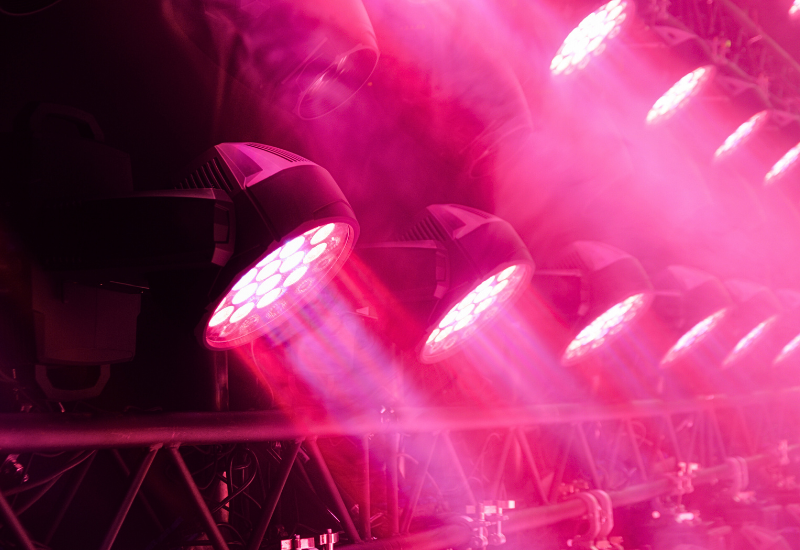
LED lighting is no longer an upgrade path. It is now the groundwork for every modern space. As incandescent fixtures fade out and maintenance-heavy systems reach end-of-life, LEDs have become the default for auditoriums, exhibits, museum environments, performance spaces, and branded installations. What’s changing heading into 2026 is not simply the adoption of LEDs, but the sophistication of how lighting is being used. Color-capable fixtures, smoother dimming curves, and more refined control options are enabling spaces to shift tone, mood, and purpose instantly. Lighting infrastructure is becoming more scene-based and more flexible, supporting everything from high-impact performances to subtle exhibit environments and multipurpose presentations. Control is now as important as the fixtures themselves. Modern lighting systems rely on thoughtful integration. This includes DMX distribution, networked nodes, and intuitive interfaces that allow staff to select repeatable looks without complex programming. As a result, lighting is evolving from a static tool into a dynamic part of experience design.
2026 DIRECTION:
Lighting becomes a storytelling instrument across all venue types. Expect continued movement toward smarter presets, fluid transitions, and immersive environments that support varied programming without increasing operational complexity.
2026 DIRECTION:
Audio systems are becoming more modular, more adaptive, and more dependent on thoughtful acoustic strategy. Intelligibility is becoming a primary performance metric influencing both system architecture and long-term planning.
Trend 2: Distributed, Networked Audio Becomes the Standard for Intelligibility
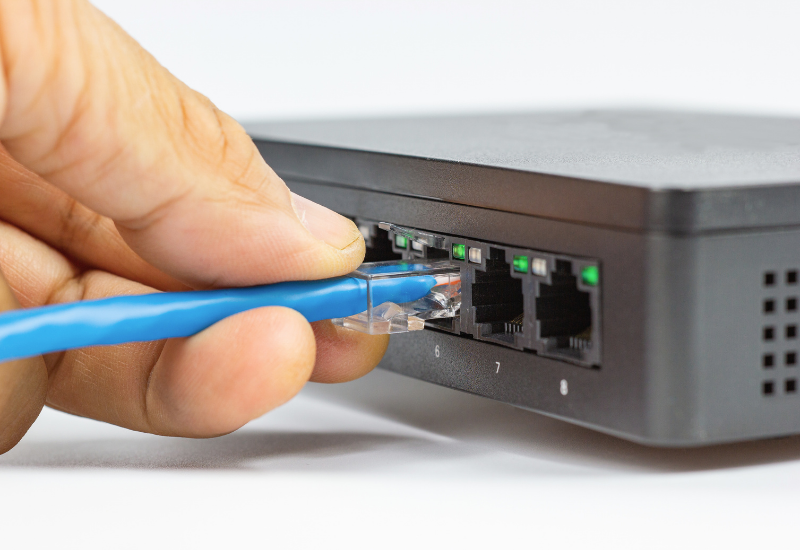
Clear, consistent audio has become one of the most defining factors in how an audience perceives the quality of a space. That shift is driving a transition away from centralized loudspeaker clusters toward distributed coverage models that deliver intelligibility evenly across the room. Networked audio—using protocols like Dante and AVB—continues to cement itself as the backbone of modern audio systems. These architectures enable flexible routing, expansion, remote monitoring, and integration across audio, video, and control systems. Alongside this, modern DSP platforms are playing a larger role in shaping clarity, coverage, and consistency through advanced tuning and zoning.
This direction is emerging across a wide spectrum of environments:
- Performance halls that require precise reinforcement for music and speech.
- Museum exhibits built around narration and ambient soundscapes.
- Trade show activations where clarity competes with environmental noise.
- Multipurpose spaces that must support everything from presentations to performance.
Trend 3: Visual Storytelling Expands to LED Walls, Projection, and Media Integration
Visual infrastructure is becoming one of the strongest drivers of how a space communicates identity and purpose. Where video once served as a functional tool (slides, playback, basic IMAG), it’s now shaping the entire experience of a room. LED walls, high-brightness projection, and flexible media systems are increasingly designed into the space rather than added on top of it. This shift appears across nearly every environment: schools using LED walls as dynamic scenic backdrops, museum exhibits relying on projected environments to tell richer stories, casinos incorporating large-format displays as architectural elements, and portable event or trade-show setups that use modular LED systems to create immersive brand moments. As visual expectations rise, the underlying infrastructure must rise with it. Hybrid and broadcast needs are also influencing design decisions. Spaces that once served only in-person audiences now require camera positions, lighting considerations for capture, and integrated switching systems that support recording or streaming without reconfiguring the room.
2026 DIRECTION:
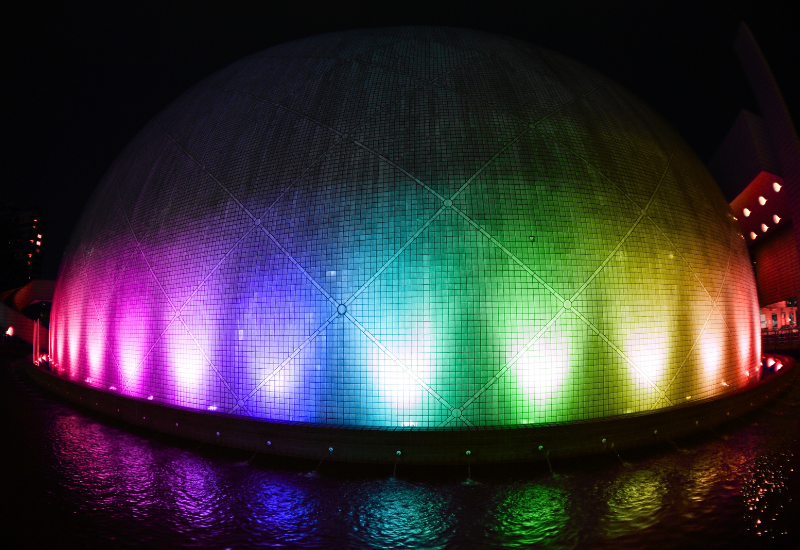
Visual infrastructure becomes more inseparable from spatial design. Displays, projection surfaces, and media elements will be planned into architecture and programming from the outset, enabling spaces to create intentional “media moments” instead of relying on temporary or improvised solutions.
2026 DIRECTION:
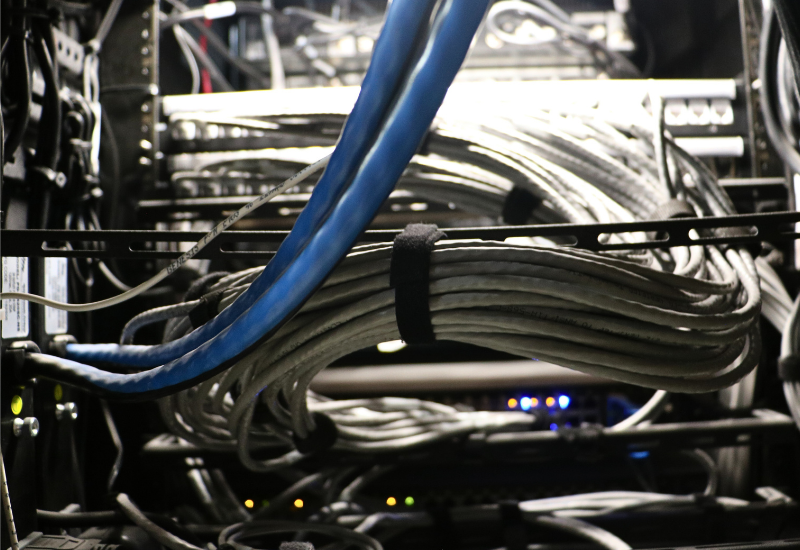
Spaces move toward unified ecosystems where lighting, audio, video, and automation feel like one system rather than isolated components. Expect more single-interface control approaches, more thoughtful presets, and deeper coordination between AV and IT teams to support secure, seamless operation.
Trend 4: Integration & Control: Simplicity, Security, and Cohesion Drive Adoption
As systems grow more capable, the need for cohesive, intuitive control grows even faster. The most significant advancements heading into 2026 are in how those components work together. AV, lighting, and automation systems are converging into unified control environments that prioritize simplicity, reliability, and repeatability for the teams who use them every day. Organizations want systems that start cleanly, transition smoothly, and minimize the technical burden on staff. A consistent interface, predictable presets, and clear operational workflows are increasingly central to system design. This applies equally to auditoriums, museums, multipurpose rooms, corporate environments, and live event spaces. As AV-over-IP becomes the organizing framework for many systems, security and infrastructure coordination are moving earlier in the process. Network design, VLANs, device authentication, and IT collaboration aren’t “optional conversations”, they’re part of creating systems that perform reliably and safely.
Trend 5: Immersive Experience Design Moves from Special to Standard
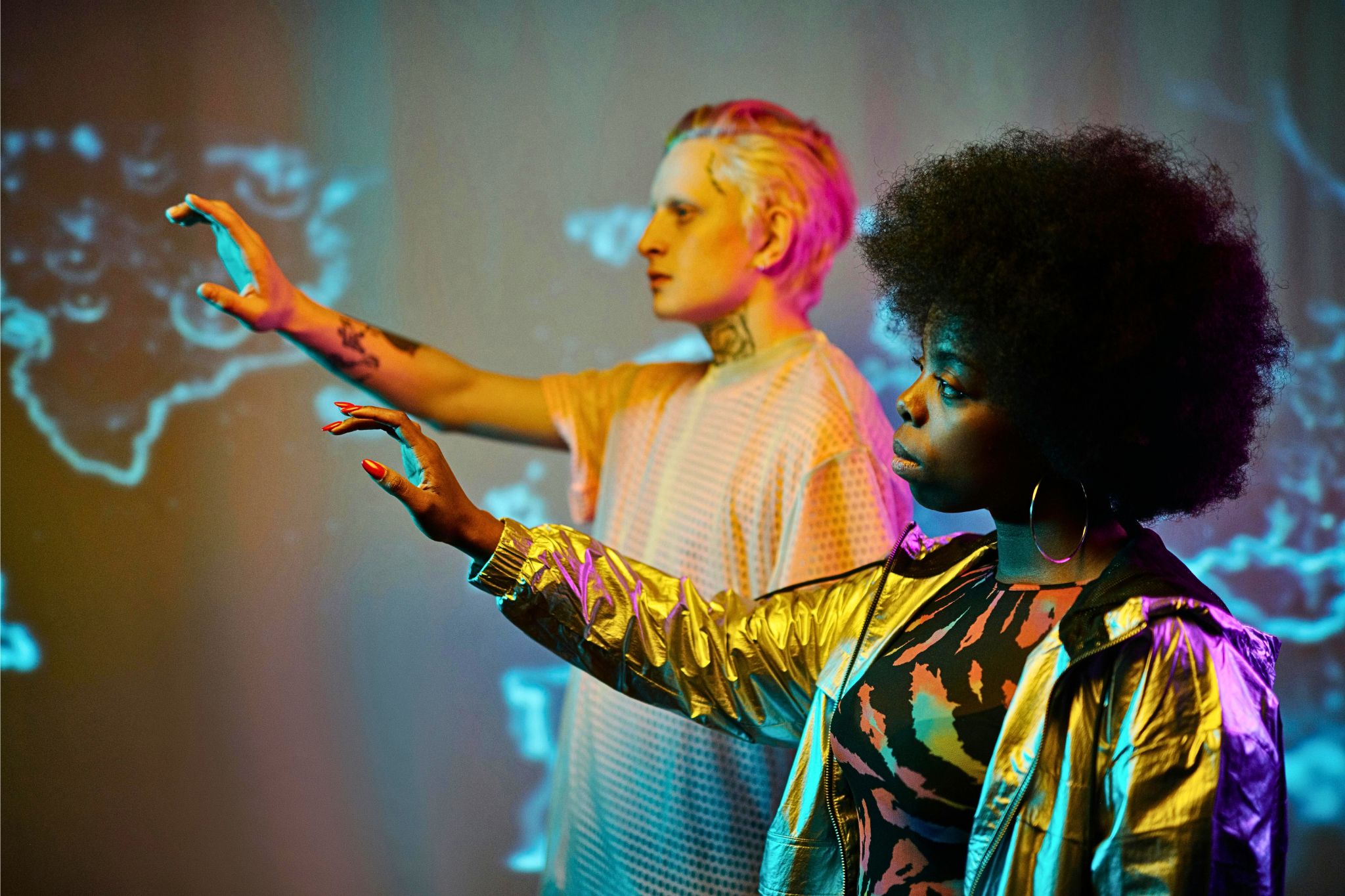
Immersive AV design is no longer confined to high-budget productions or destination attractions. Layered lighting, ambient audio, projection-based environments, and dynamic visual elements are now appearing in a much wider range of spaces as expectations evolve. Audiences are increasingly drawn to environments that feel intentional, atmospheric, and emotionally engaging — even when the primary purpose of the room isn’t performance. This shift is happening across museums, exhibits, brand activations, school auditoriums, and community multipurpose spaces. Temporary installations and traveling events are adopting scenic lighting and media integration to create distinctive environments without extensive buildouts. Permanent venues are blending architectural elements with AV systems to shape how visitors move, focus, and experience each moment in the space. As experiential design becomes more accessible, the distinction between “production” and “permanent installation” continues to blur. Spaces are no longer designed for a single mode of operation; they must support a spectrum of experiences that can change from day to day or even hour to hour.
2026 DIRECTION:
Immersion becomes a baseline design principle. AV increasingly functions as both infrastructure and emotional design, enhancing wayfinding, storytelling, engagement, and the overall feeling of a space.
2026 DIRECTION:
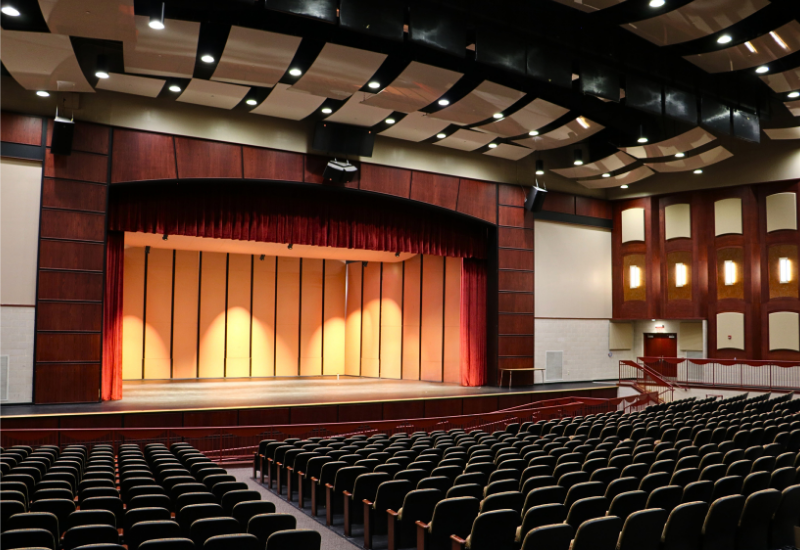
Schools increasingly pursue systems that deliver professional-level results through accessible workflows. The goal is not to recreate what a performing arts center is, but to bridge the gap between educational use and the production standards that audiences and communities now expect.
Trend 6: K–12 Modernization Accelerates Higher Production Value, Multi-Use Spaces
School environments are undergoing a significant shift in how AV systems are used and expected to perform. Auditoriums, multipurpose rooms, cafeterias, gymnasiums, and classrooms all rely on AV for an expanding set of functions like:
- Theatrical performances
- Instruction / Streaming
- Professional development
- Community events, ceremonies
- District-wide communication
Many of these systems were installed more than a decade ago and are reaching the limits of their reliability and flexibility just as expectations are rising. Schools are now evaluating upgrades not only to replace aging infrastructure but to meet broader programmatic needs. Production quality is becoming more important as events are livestreamed, archived or shared with families and stakeholders. People expect clear audio, bright visuals, and polished presentation. So flexibility and ease of use are central to this trend. Spaces must support a wide range of users—from students to teachers to external groups—while operating reliably with minimal technical intervention. Multi-use design influences everything from lighting layouts to audio coverage to how projection or display systems are integrated.
Trend 7: Multipurpose Entertainment & Exhibit Environments Demand Flexibility
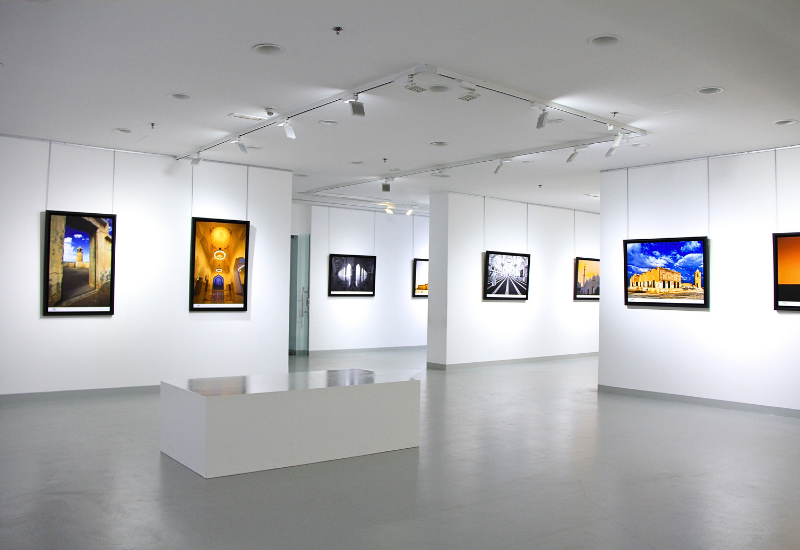
Entertainment venues, museums, performing arts centers, and trade show environments are being asked to do more and change modes more quickly. So, a single space may need to present a keynote, host a performance, support brand activation, and operate as a general admission environment, often within the same day. This level of variability requires AV systems that are not only robust, but inherently flexible. Lighting, audio, and video systems are increasingly designed with modularity in mind. Configurations must support different stage or floor layouts, varied audience footprints, and shifting content demands without extensive reprogramming or technical intervention. Portable elements—lighting ladders, projection surfaces, LED displays, speaker zones—are being integrated into permanent design in ways that allow staff to reconfigure the environment with minimal effort. This trend is not limited to high-production events. Museums are adopting flexible lighting and projection to refresh galleries without major renovations. Trade show booths rely on modular AV components that can adapt to different footprints or storytelling needs. Performing arts centers are leveraging adaptable systems to support both traditional productions and non-theatrical community events.
2026 DIRECTION:
Spaces increasingly move toward modular AV infrastructures designed to support multiple identities. A venue may function as a theatre one day and a brand activation the next, with the same core systems powering both experiences. Here, flexibility becomes the competitive advantage.
2026 DIRECTION:
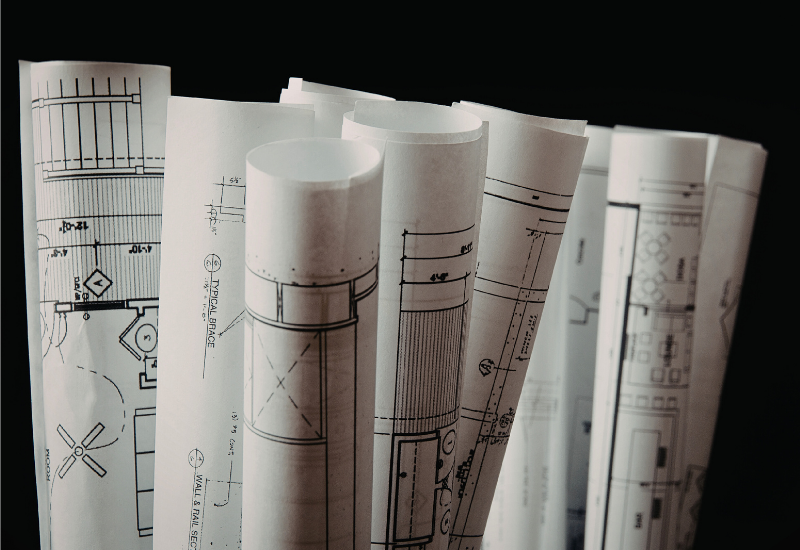
Planning becomes more strategic and more phased. Organizations modernize with clearer priorities, better coordination, and systems designed to evolve over time to achieve higher-quality outcomes without overextending budgets.
Trend 8: Long-Horizon Planning & Phased Execution Become the Smart Path Forward
As expectations rise and systems grow more interconnected, organizations are treating AV as long-term infrastructure rather than isolated equipment upgrades. This shift is driving a more strategic approach to planning where modernization is mapped across multiple years and aligned with funding cycles, staffing needs, and broader organizational priorities. Multi-year roadmaps help communities plan sustainably. Rather than attempting an all-at-once upgrade, organizations can prioritize high-impact improvements, prepare infrastructure for future phases, and sequence investments in a way that supports both immediate needs and long-term performance. This approach reduces disruption, spreads costs more predictably, and ensures that each phase builds toward a cohesive, integrated system. Early collaboration is a defining feature of this trend. AV, IT, electrical, architectural, and construction teams are increasingly engaged together at the design stage rather than in isolation. This prevents costly rework, avoids mismatched assumptions, and ensures that conduit, power, network capacity, and sightlines are planned with intention rather than retrofitted after the fact.
Designing for What’s Next
The most meaningful AV trends heading into 2026 are all about shifting expectations, expanding possibilities, and new ways of engaging audiences. Moreover, lighting, audio, video, and control systems are becoming more adaptive, more integrated, and more central to how spaces function and feel. Environments that once served a single purpose now support a spectrum of uses, and the experiences delivered in those spaces increasingly shape how organizations are perceived.
Spaces that plan strategically now— thoughtfully, flexibly, and with the future in mind—will be the ones that feel modern, intuitive, and compelling in the years ahead. Modernization doesn’t have to mean complexity. It simply requires clarity, coordination, and systems designed to grow with you.
If you’re planning a renovation, exploring phased upgrades, or rethinking how your space needs to perform in the future, we can help you chart the path forward. Tell us about your project, and let’s design for what comes next.