A Smarter Way to Approach Church AV Integration

A Smarter Way to Approach Church AV Integration

Worship spaces today serve more than the congregation in the pews. Services are streamed online, volunteers run tech from the back of the room, and expectations for sound, video, and lighting are higher than ever. Whether you’re in a small sanctuary or a multi-campus ministry, having the right audiovisual (AV) system in place can make the difference between a distracting experience and a meaningful one.

AV integration doesn’t have to be overwhelming. The key is designing systems that fit your space, your goals, and your team’s comfort level. Here’s what you should know about finding the right church AV setup.


Why AV Integration Matters for Worship Spaces

Churches aren’t concert halls or corporate conference centers; however, they still need AV systems that are reliable, easy to use, and capable of creating connections. Good integration makes everything feel seamless: the pastor is clearly heard, the livestream doesn’t glitch, and volunteers aren’t scrambling during the sermon to fix a mic or adjust a spotlight.

A thoughtful AV setup also builds consistency. When your systems are designed to work together—from audio and video to lighting and livestreaming—each service runs more smoothly regardless of who’s behind the board that day. With many churches relying on volunteers or part-time staff, intuitive operation matters just as much as technical performance.

In short, integration doesn’t stop at the gear. It should also help remove friction so your team can focus on what matters most.

Saint Elizabeth Roman Catholic Church

Integration Project: Saint Elizabeth Roman Catholic Church

What AV System is Best for Churches?

There’s no one-size-fits-all setup for church AV, and that’s a good thing. The best system is one that reflects your space, your service style, and your team’s capabilities.

For smaller churches, a streamlined system might include a quality PA, wireless microphones, basic stage lighting, and a single camera for livestreaming. Larger congregations might need networked audio, multiple displays, motorized cameras, or centralized control systems that simplify everything from lighting scenes to livestream transitions.

But no matter the size, the goal is the same: consistency, clarity, and ease of use. Your team shouldn’t need to be tech experts to make Sunday morning work.

A good AV integration partner will help you assess:

Room acoustics and layout
Worship style and production needs
Existing equipment that can be reused or upgraded
Volunteer skill level and tech comfort
Livestreaming goals and online audience expectations

When these factors are considered from the start, your AV system will do what it’s supposed to—support the service  without calling attention to itself.


How Churches Can Integrate Audio and Video Systems

Integration is less about buying the flashiest equipment and more about making everything work together. The process starts with understanding what your church actually needs. That means looking beyond generic gear lists and instead designing a system around your unique space and service flow. Here is how that typically works:

Discovery and Needs Assessment:
A walkthrough of your worship space to understand acoustics, sightlines, and service structure—plus a conversation with your team about challenges and goals.

System Design:

Experts create a customized plan that connects the right components (like speakers, mixers, cameras, displays, lighting, and cabling), ensuring compatibility and simplicity.

Installation and Testing:

Once equipment is selected, it’s installed and tested to ensure reliability. The wiring must be clean, sound checks are thorough, and visual elements are fine-tuned.

Training and Support:

The handoff matters. Volunteers or staff are trained on how to use the system efficiently, and long-term support is available when something needs a tweak or upgrade.

It’s all about building a solid foundation that gives your church flexibility without complication. A well-integrated AV system should make services easier to run, not harder.

How Much Does AV Integration for a Church Cost?

Every church is different. Some need a full system overhaul, others just need to replace a few outdated components. Some are outfitting a new sanctuary from the ground up, while others are working within historic buildings with unique acoustic challenges.

That’s why Starlite doesn’t push cookie-cutter packages. We listen first, then build a plan that fits your needs and your budget. We work with a wide range of manufacturers, from high-end to budget-friendly, to create solutions that get the job done without unnecessary add-ons or inflated price tags.

We also understand that many churches are working with limited budgets and volunteer-run tech teams. We respect that reality and approach every project with transparency and flexibility. Whether you need a long-term integration roadmap or a quick fix to get you through Sunday, we’ll help you find the right path forward.

What Happens When AV Works Like It Should

When your audio, video, and lighting systems are integrated and functioning as they should, the focus shifts back to the service where it belongs. Sermons come through clearly. Volunteers run the board with confidence. Livestreams don’t cut out mid-service. The congregation stays engaged, whether they’re in the pews or watching from home.

You won’t notice the AV system because it’s doing its job to make the experience smoother. That’s the power of thoughtful integration—removing friction without calling attention to itself.

Churches in our region come to Starlite because we understand their reality. We don’t expect you to be tech experts, and we won’t recommend equipment you don’t need. What we do offer is decades of experience, personal attention, and a team that’s here to make your job easier. We design systems that are easy to operate, tailored to your space, and built to last. And if something does go wrong, we’re here to help fix it immediately.

Starlite doesn’t take on every job. But when it’s the right fit, we’re in it with you for the long haul. Whether you’re planning an upgrade, exploring livestreaming, or just trying to get through this weekend’s service without tech issues, our team is ready to help.

Don’t forget to follow us on social:

Top 5 Tech Takeaways from InfoComm 2025

Top 5 Tech Takeaways from InfoComm 2025

Exploring What’s Next in AV + Lighting

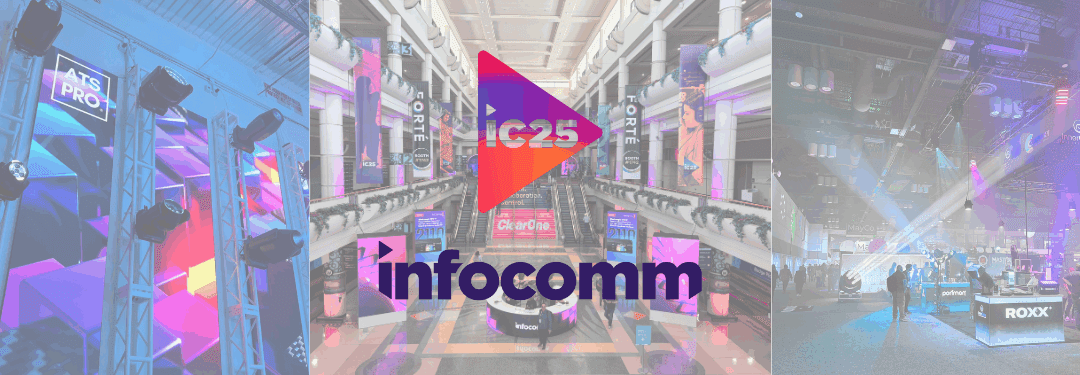
InfoComm 2025 in Orlando brought together some of the brightest minds and boldest technologies in the AV and lighting industry—and Starlite was there to soak it all in. Our Engineering Manager, Aaron Kramer, spent the week exploring the show floor, diving into demos, and identifying the tools and trends that are shaping the future of our work.

From immersive lighting solutions to next-gen control systems, here are Aaron’s Top 5 favorite finds from this year’s show—and why they matter to you.

1. RDL – Dante Plates
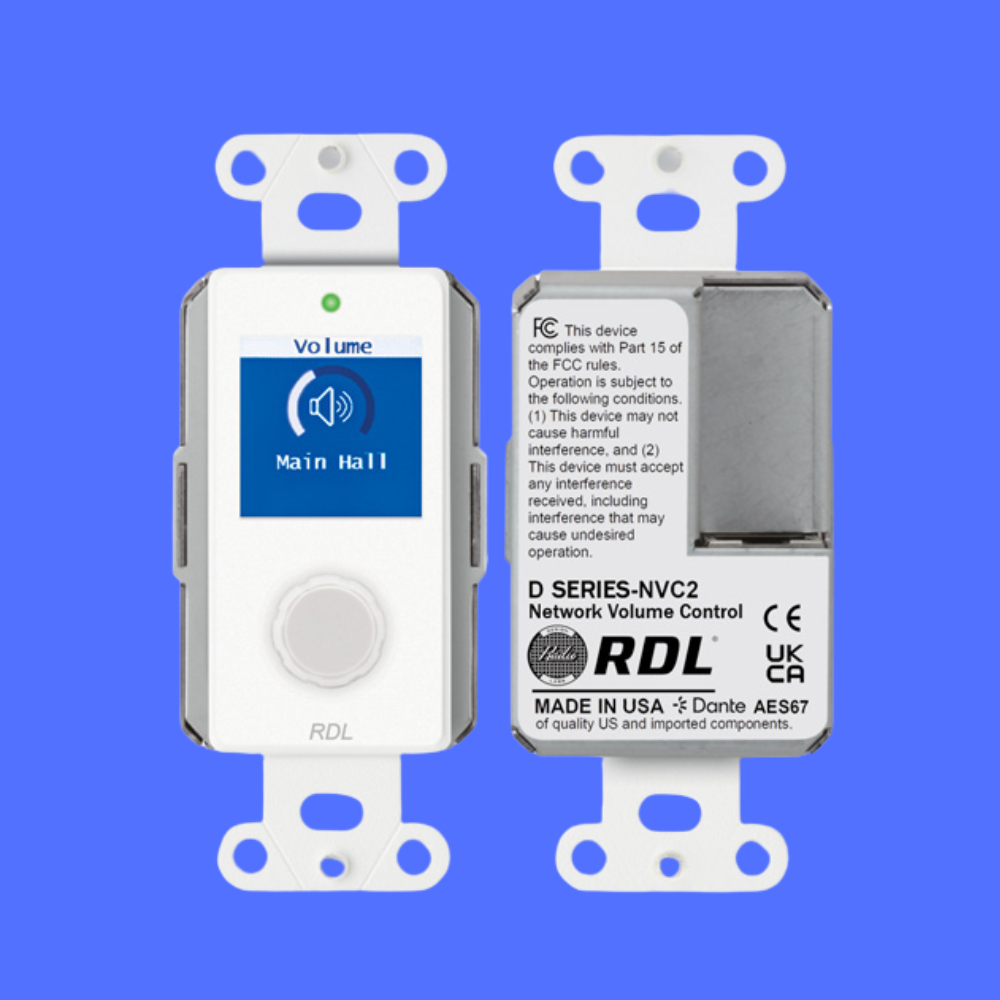
RDL Dante Plates - D-NVC2 Dante Controller

What it is:
RDL introduced new Dante input and control plates, including the D-NVC2 Dante Controller which can effectively manage any Dante/AES67 stream—regardless of the brand of other devices in the system. Also new: the D-BTN21 and D-TPSML1A input plates, bringing RDL’s well-known quality to a more budget-conscious price point.

Why it stood out:
Until now, RDL Bluetooth plates required a proprietary Format A receiver. These new plates support the widely accepted Dante format, making integration into modern AV systems far easier.

Honorable Mention:
The D-RN2ML is a bi-directional Dante plate with XLR & 1/8” inputs and dual line-out feeds—a flexible addition to any AV environment.

2. Data Video – VoiceTRX100
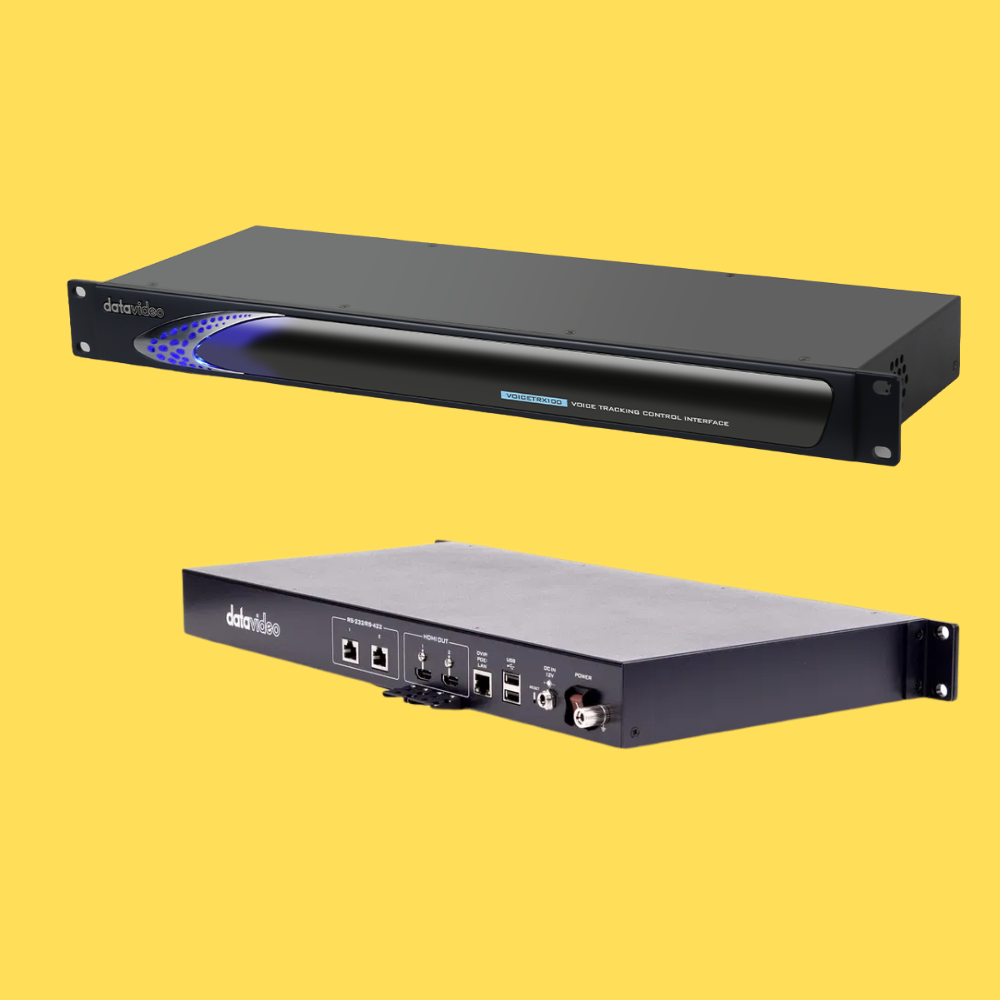
Data Video – VoiceTRX100

What it is:
VoiceTRX100 from Data Video is an intelligent camera switching system that uses audio signals to activate pre-programmed camera presets, automatically following the active speaker.

Why it stood out:
While speaker-tracking camera systems exist, they can be costly, complex, and unreliable. Data Video’s approach—using presets—simplifies the process and makes it a viable solution for spaces like courtrooms, small studios, and meeting rooms, where speakers remain in fixed locations. It’s a smart way to automate without sacrificing control or breaking the bank.

3. Shure ANX4
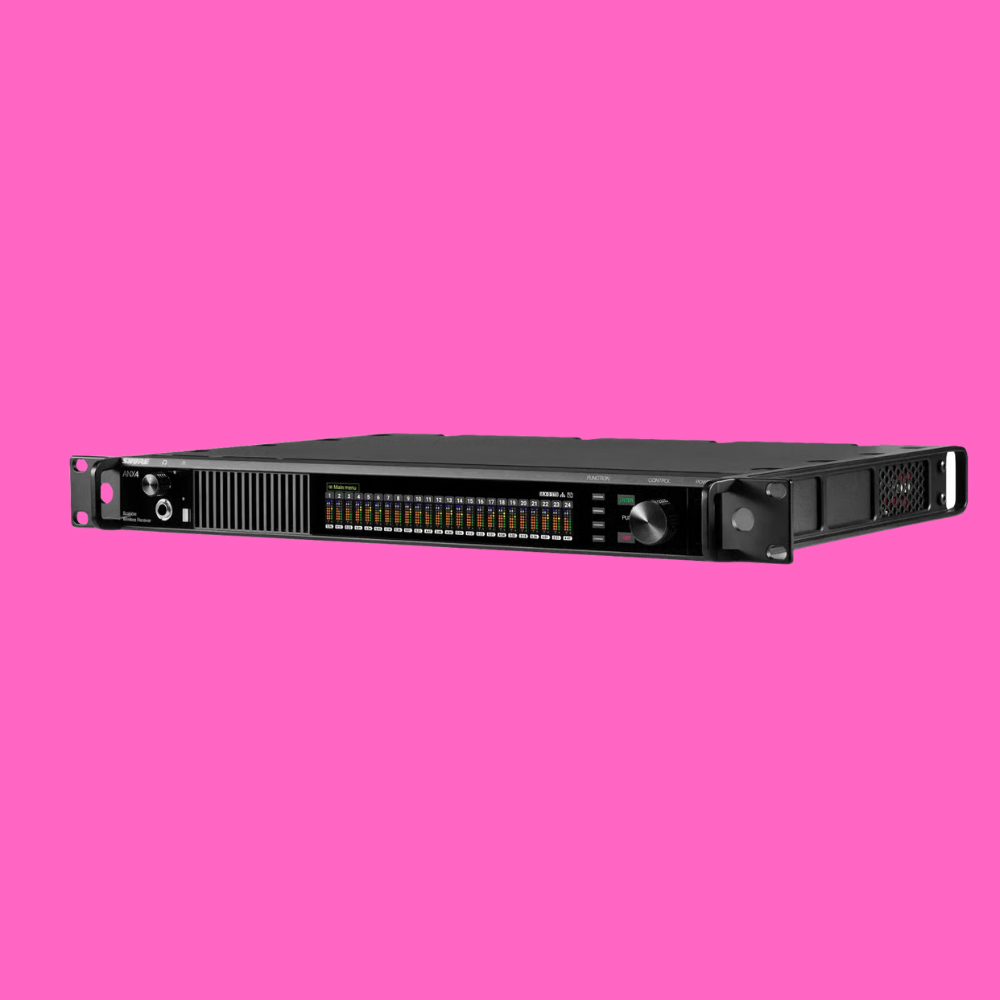
Shure ANX4

What it is:
Shure ANX4 is a wireless microphone receiver offering up to 16 software-defined channels in a single rack unit.

Why it stood out:
Flexibility and efficiency. The ANX4 allows users to dynamically allocate microphone channels depending on event needs—seven channels today, fourteen tomorrow—without needing extra hardware. Its compact 1RU size and reduced reliance on external antenna distribution make it a cost-saving, space-saving powerhouse.

4. Danley Sound Labs – Wireless Link System
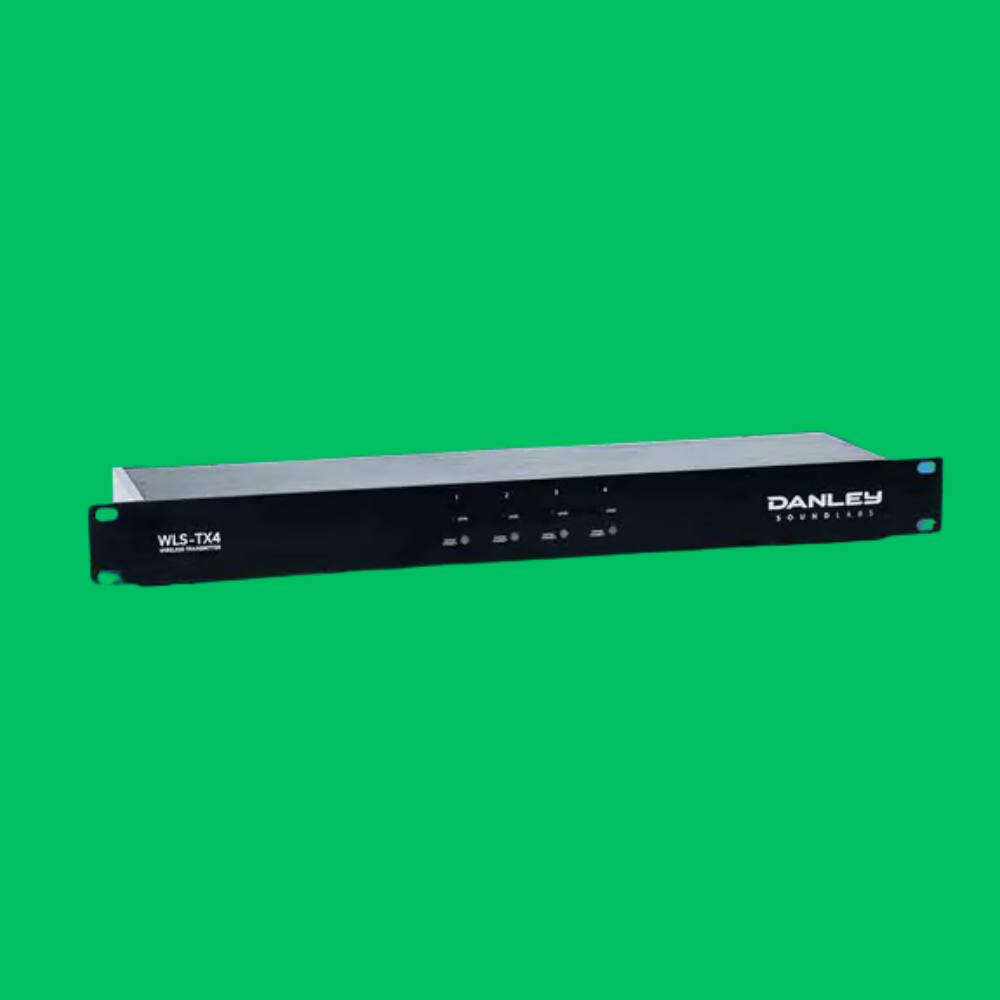
Danley Sound Labs – Wireless Link System

What it is:
Danley’s Wireless Link System provides low-latency, encrypted, frequency-hopping audio over large distances—perfect for situations where traditional cabling isn’t possible.

Why it stood out:
Picture this: a stadium with freshly laid turf and no cable trenches. Danley’s Wireless Link System enables high-quality, uncompressed audio transmission to remote speaker locations—no wires required. Combined with Danley’s weatherized outdoor amplifiers, it’s an ideal solution for challenging outdoor AV installs where line of sight is available.

5. Visionary – XB5 USB-C Conferencing Bridge
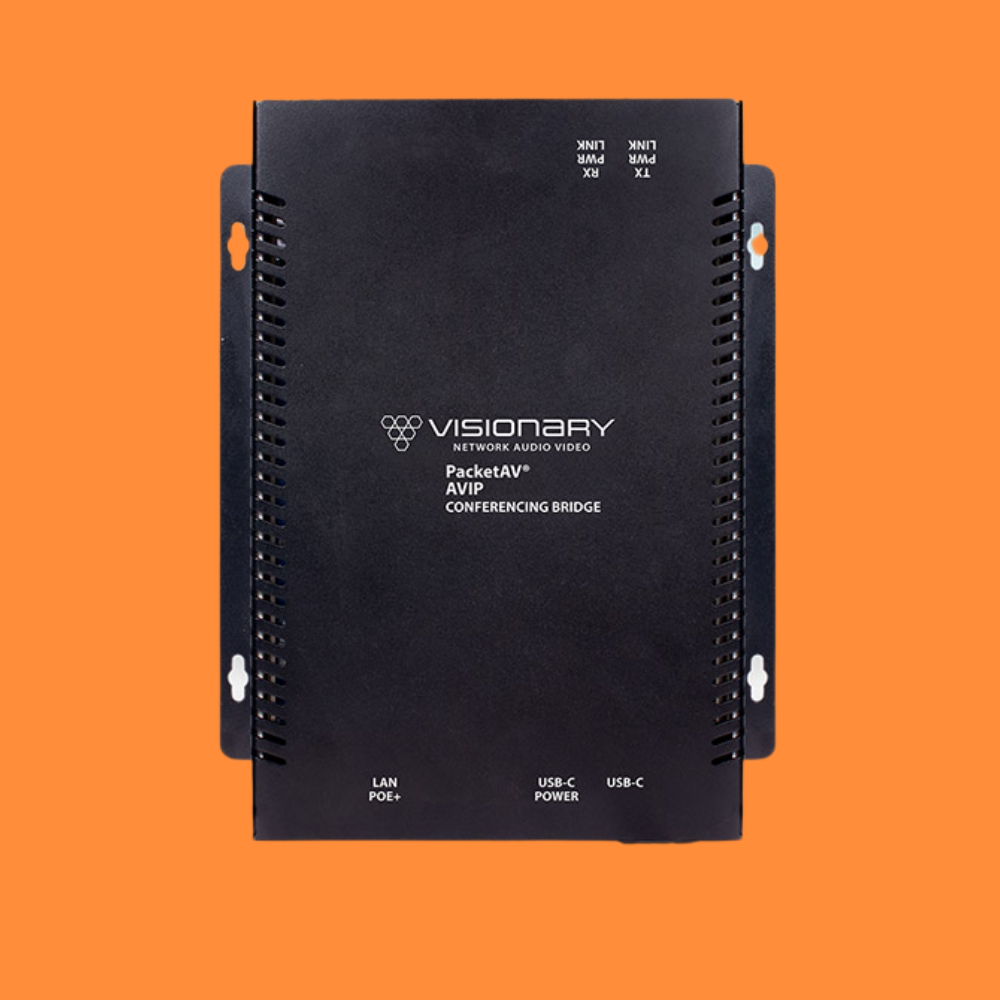
Visionary – XB5 USB-C Conferencing Bridge

What it is:
The XB5 lets users walk into a room, plug in a USB-C cable, and instantly access the room’s AV system—cameras, microphones, speakers, and displays—using their preferred video conferencing platform.

Why it stood out:
Visionary’s pivot from HDMI to USB-C is a smart move. USB-C not only supports data and video but also delivers up to 100 watts of power. It’s the future of AV connectivity, and the XB5 makes hybrid meetings simpler and faster to launch—no extra adaptors or configuration needed.

Honorable Mentions:

While not in the top five, these products also caught our attention:

Ubiquiti U7 Pro Outdoor Access Point
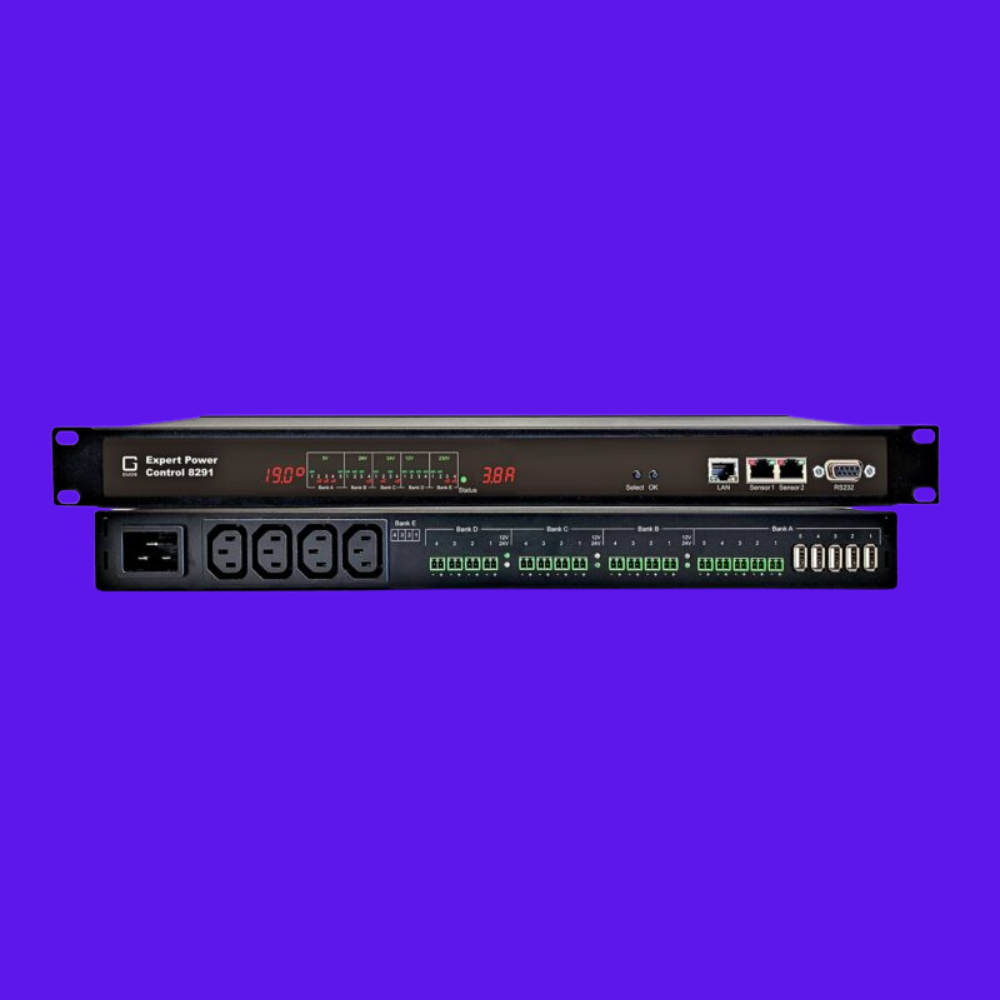
Gude Expert Power Control 8291-2
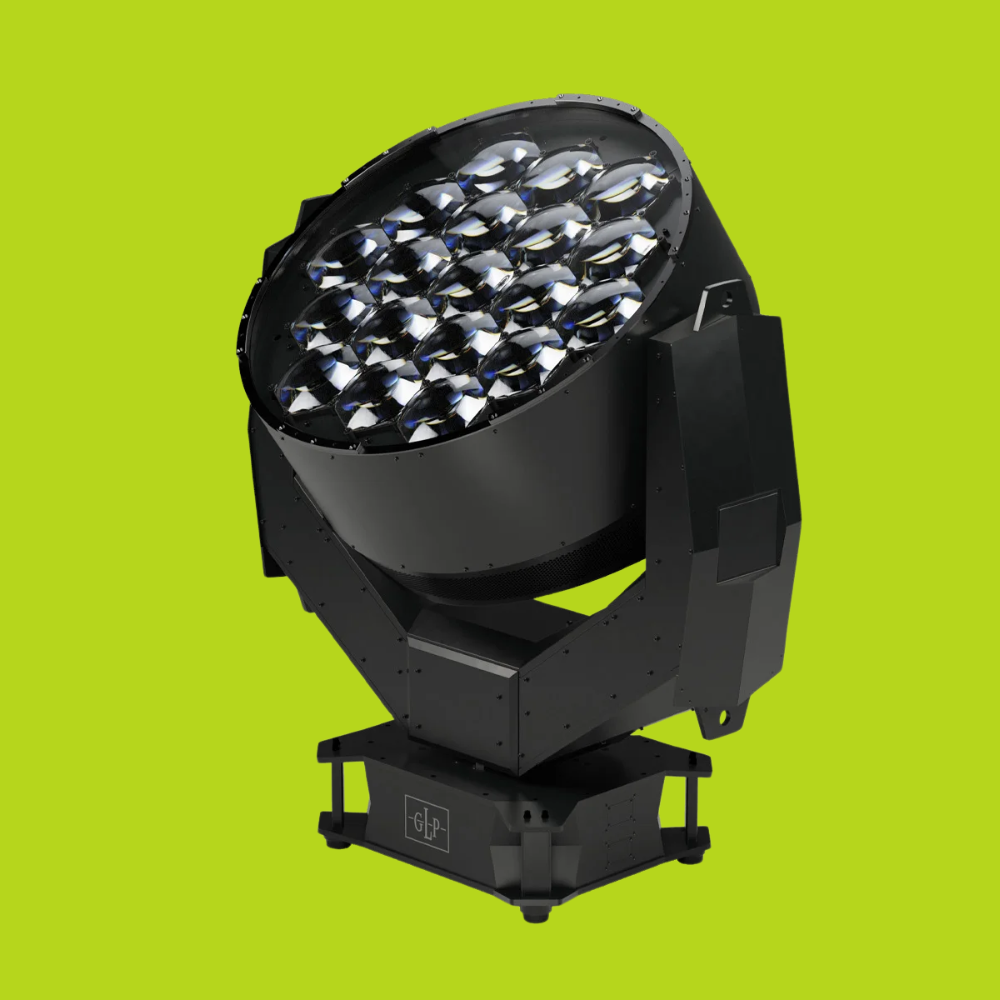
GLP Mad Maxx CW
  • GLP Mad Maxx CW: A high-output, color-changing searchlight with low power consumption—and no laser permitting required.

Why It Matters

InfoComm isn’t just a showcase—it’s a snapshot of where the AV industry is headed. At Starlite, we’re constantly investing in the knowledge and gear that keeps our clients ahead of the curve. This year’s show reinforced the value of flexibility, integration, and creative thinking in everything from event production to AV system design.

Whether you’re planning your next event or updating a facility’s infrastructure, we’re excited to help you explore what’s possible.
Let’s keep the conversation going.

Have questions about the tech featured here—or want to see how it could work for your space or event?

Don’t forget to follow us on social:

Starlite Celebrates Dan McKay’s Recognition as a 2024 Executive of the Year

Starlite Celebrates Dan McKay’s Recognition as a 2024 Executive of the Year

Since joining Starlite just one year ago, Dan has demonstrated an exceptional ability to navigate the complexities of the audiovisual and lighting industry. His extensive experience and innovative approach have reshaped our operational strategies and set the stage for one of the most financially successful years in Starlite’s history.
SJ Biz Executives of the Year

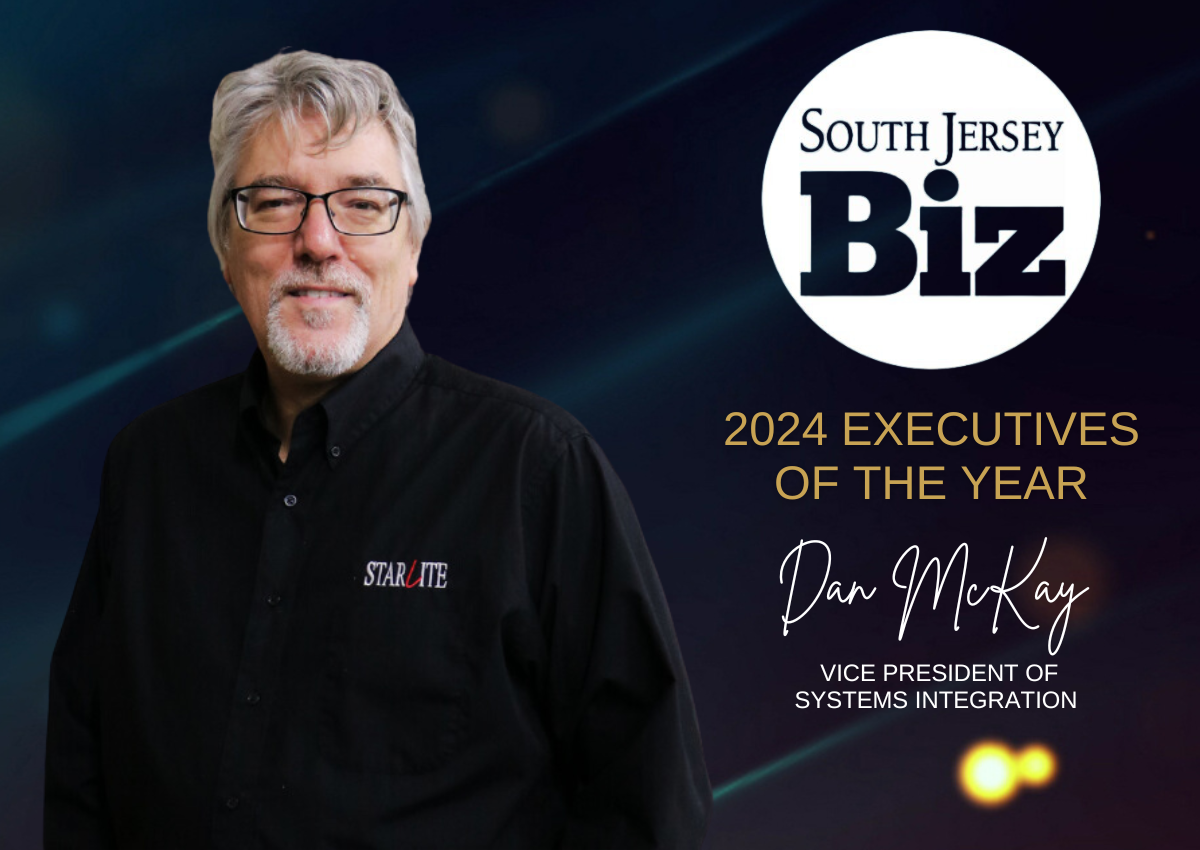
Congrats to Dan Mckay!

We are thrilled to announce that Dan McKay, our esteemed Vice President of Systems Integration, has been recognized as one of South Jersey Biz’s Executives of the Year for 2024. This accolade highlights Dan’s transformative impact at Starlite, where his leadership and vision have propelled our company toward unprecedented growth and success.

Dan’s leadership style is rooted in collaboration and open communication, fostering a culture where every team member feels valued and empowered. Under his guidance, our Integration team—responsible for the installation and programming of sophisticated theatrical lighting and AV systems—has evolved into a cohesive unit that operates with remarkable efficiency. Dan’s commitment to building trust within the team has reinvigorated our department, creating a dynamic environment where positivity thrives and productivity soars.

One of Dan’s ongoing initiatives has been the expansion of our service department, which he views as essential for both financial growth and a customer-centric approach. By leveraging data and key metrics, he ensures that our strategic decisions are informed and effective, paving the way for sustainable success in the years to come.

Moreover, Dan’s focus on professional development and talent acquisition has strengthened our Integration team, equipping them to tackle complex projects with confidence. Regular team meetings encourage the exchange of ideas and best practices, further enhancing our collaborative spirit.

At Starlite, we are incredibly grateful for Dan’s dedication and passion. His exceptional contributions have not only driven our current achievements but have also laid a solid foundation for future success. We believe this recognition as an Executive of the Year is a testament to his hard work and visionary leadership.

Please join us in congratulating Dan McKay on this well-deserved honor. We look forward to continuing our journey under his guidance as we strive for even greater heights together.

Theatrical Lighting 101: The Basics

Theatrical Lighting 101: The Basics

The magic of a theatrical performance is not just in its compelling script or talented performers; it’s also in the ambiance created by the lighting. Theatrical lighting is an art form that transforms a stage into a canvas, where light and shadow play crucial roles in conveying emotions and setting the mood. Starlite understands the power of lighting in bringing a production to life. With years of expertise in providing theatrical lighting solutions, we’re here to shed light on the essentials.

Understanding Theatrical Lighting

Theatrical lighting refers to the practice of using light and lighting effects to enhance, support, and integrate with the performance of a theatrical production. It’s a crucial element in creating the atmosphere, mood, and visual impact of stage plays, musicals, operas, dance performances, and other live events. Theatrical lighting goes beyond merely illuminating the stage and actors. It is an art form that contributes significantly to the storytelling and emotional experience of the audience.


Why is lighting important to any theatrical event?

Lighting plays a pivotal role in theatrical events for several reasons, each contributing to the overall impact and success of the production:

  • Visibility: At its most basic, lighting ensures the audience can see the performers and the set. Good lighting makes it possible to focus attention on the main action and ensures that facial expressions and movements are visible, even to those seated far from the stage.

  • Atmosphere: Lighting is a powerful tool for setting the mood of a scene. It can evoke emotions, from happiness and tranquility to tension and fear. For example, warm, soft lighting can create a soft, intimate atmosphere, while stark, harsh lighting can convey a sense of danger or unease.

  • Guiding the Audience’s Attention: Lighting directs the audience’s focus to where it needs to be at any given moment. It can highlight a single individual, a group, or a specific part of the set, guiding the audience through the story.

  • Enhancing Scenic Design: Lighting can complement and enhance the scenic design, adding depth and dimension to the stage. It can create the illusion of different times of day, change the perceived setting, or highlight specific aspects of the set.

  • Creating Special Effects: Lighting is essential for creating various special effects on stage. This includes simulating natural phenomena like sunrise, or sunset, and creating abstract effects that contribute to the storytelling.

  • Enhancing Performance: Good lighting enhances the performers’ work, allowing them to convey their characters’ emotions and intentions more effectively. It can also influence the pace and rhythm of the performance.

  • Technical and Safety: Proper lighting is crucial for the safety of performers and crew members. It ensures that everyone can see clearly, preventing accidents and ensuring smooth scene changes and movements on stage.


    What lighting is used in theatre?


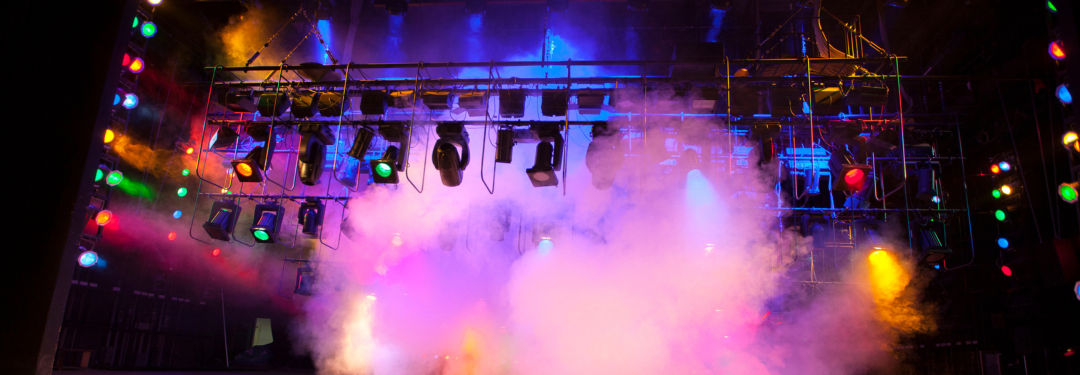
    A variety of lighting types are employed to achieve the desired artistic effects. Each type of lighting serves a specific purpose and contributes uniquely to the overall production. 

    Ellipsoidal Spotlights:

    These lights, often called “lekos”, are versatile and can be focused to create a sharp or soft-edged beam. They are often used for their ability to shape light using shutters and to project patterns (gobos).

    PARs:

    These are versatile, easy-to-use lights that produce a variety of looks from a concentrated beam to soft, blended washes. They can be used for general stage coverage or lighting scenery. In addition to theatre, they are often used in concerts and dance performances.  

    Intelligent Lighting:

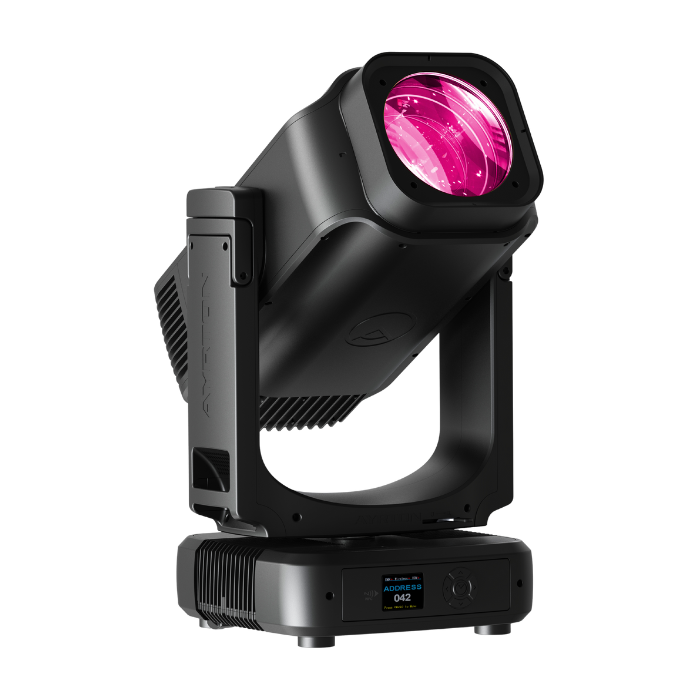
    These automated lights can be programmed to move, change colors, and alter patterns. They are used for dynamic lighting effects, quick repositioning of “specials” and projection of gobos and effects.

    Striplights:

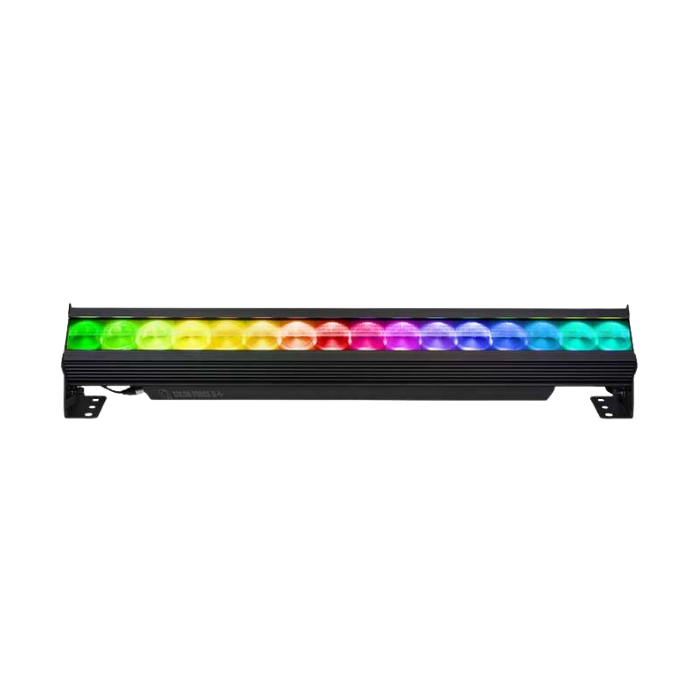
    These linear fixtures can be placed either on the stage floor or hung from a pipe batten. They are often used to light cycloramas and other backdrops. Some units have asymmetrical optics, providing even lighting from top to bottom. 

    Followspots:

    Followspots are instruments that are manually controlled by an operator.  The operator has control of movement, color, and beam size. They are primarily used to highlight actors, but can also be used to highlight props or specific areas of the stage.

    While many of these fixture types were traditionally lamp-based, LED lighting has become increasingly popular in theatre.

    Some of the advantages of LED lighting include: 

    • less maintenance
    • low heat emission 
    • increased energy efficiency


    Lighting Design Basics

    How do you light a theatre stage?

    Lighting a theatre stage is a complex and creative process that involves a combination of technical expertise and artistic vision. Here’s an overview of how this is typically done:


    1. Understand the Vision: The first step is to understand the narrative, emotional tone, and specific requirements of the production to ensure that the lighting supports the overall vision.
    2. Develop a Lighting Plan: This plan outlines where lights will be placed, the types of lights used, and how they will be used to create different effects. 
    3. Choose the Right Equipment: Selecting the appropriate lighting fixtures is crucial. Choices depend on the desired effect – for instance, whether the scene calls for sharp focused light, soft washes, or colored lighting.
    4. Set Up and Position Lights: Lights are positioned based on the lighting plan. This involves placing lights at various angles and heights – front, back, side, overhead – to achieve the desired illumination and shadow effects.
    5. Rehearsals and Adjustments: During rehearsals, the lighting crew adjusts the lighting as needed. This phase often requires fine-tuning to perfect the look and feel of each moment of a performance.
    6. Safety Considerations: Throughout the setup and operation, safety is paramount. This includes securing all fixtures and cables, ensuring the lighting does not create hazardous conditions, and complying with all relevant safety standards.


    Lighting a theatre stage is an art that combines technical skill with creative vision. This is achieved through various lighting setups, each designed to evoke specific emotions and enhance the storytelling. The use of color in lighting is particularly impactful. Different colors can dramatically alter the audience’s perception of a scene. Warm colors like reds and oranges can evoke feelings of warmth and passion, while cooler colors like blues and greens can create a sense of calm or sadness. Color choices can also have a significant impact on the appearance of costumes and scenery.  This application of color theory is crucial in designing effective theatrical lighting. 


    Another important aspect is the balance between light and shadow. This balance is key to creating visual depth and dimension on stage. The strategic use of shadows can highlight certain elements, create mood, and add a sense of realism to the production. It’s not just about illuminating the space; it’s about shaping the light to enhance the visual storytelling.


    The process of designing theatrical lighting is highly collaborative. Starlite specializes in providing custom lighting solutions tailored to the unique needs of each production. Our team works closely with clients to understand their vision and create lighting designs that bring their ideas to life. Our recent projects, which can be explored here, showcase our diverse capabilities and commitment to innovation in theatrical lighting.


    Our commitment to quality, innovation, and customer satisfaction sets the team at Starlite apart. We’re ready to assist whether you’re looking for a custom lighting solution or need expert advice on your next production. Contact us today to bring your theatrical vision to light, and let us help you create an unforgettable stage experience.

    The Importance of Assistive Hearing Systems in Public Spaces

    The Importance of Assistive Hearing Systems in Public Spaces

    Hearing loss affects millions of individuals globally, significantly impacting their ability to participate fully in public life. In the United States alone, 15.5% of American adults have some degree of hearing impairment. This reality presents a unique challenge in ensuring that public spaces are accessible and inclusive for everyone. One of the key solutions to this challenge is the implementation of assistive listening systems. These systems are not just a means to comply with legal requirements but are also crucial in fostering an environment where every individual has the opportunity to engage and participate without barriers.

    What is an assistive listening system?

    Assistive hearing systems (AHS) are specialized audio solutions that aid individuals with hearing loss in various public settings. These systems work by enhancing sound clarity and reducing background noise, improving speech understanding and overall auditory experience. There are several types of AHS, each suited to different environments and needs:

    • Induction Loop Systems: Utilize electromagnetic fields to transmit sound directly to hearing aids equipped with telecoils (T-coils).
    • FM Systems: Employ frequency modulation to send audio signals to portable receivers worn by the user.
    • Infrared Systems: Use infrared light to transmit sound, ideal for confidential settings due to their limited range and inability to pass through walls.

    Each system offers unique benefits, making it suitable for various settings, from theaters and classrooms to conference centers and public gatherings.

    Are assisted listening devices required?

    Legal Compliance with the ADA

    The Americans with Disabilities Act (ADA) mandates that public spaces provide accommodations to ensure accessibility for individuals with disabilities, including those with hearing impairments. This includes the requirement for assistive hearing systems in certain venues such as:

    • Theaters and Auditoriums: Must provide a certain number of listening devices based on seating capacity.
    • Classrooms and Conference Centers: Require systems that facilitate clear communication for all participants, including those with hearing loss.

    …plus hotels, stadiums, museums, and more. Compliance with these regulations is not only a legal obligation but also a moral one, ensuring that public spaces are welcoming to everyone.

    Technological Advancements in Assistive Hearing

    Assistive hearing technology has seen remarkable advancements in recent years, significantly enhancing the user experience for individuals with hearing impairments. These technological improvements have not only made these systems more effective but also more user-friendly and adaptable to various environments.

    • Sophisticated Sound Processing: Modern assistive hearing systems now come equipped with advanced sound processing capabilities. This technology allows for clearer sound quality, reducing background noise and enhancing speech clarity, which is crucial in busy public spaces.
    • Wireless Connectivity: The integration of wireless technology has been a game-changer. Systems can now seamlessly connect with a range of devices, including smartphones and hearing aids, offering users a more personalized and convenient experience.
    • Discreet and Comfortable Design: Recent designs of assistive hearing devices focus on being less obtrusive and more comfortable for the user. This shift not only improves the user experience but also encourages more widespread adoption.

    Looking ahead, we can expect further integration with digital technology, such as AI and machine learning, to provide even more personalized listening experiences. The potential for cloud-based systems could also allow for real-time adjustments and updates to systems, further enhancing their effectiveness.

    The Business Case for Assistive Hearing Systems

    These advancements are making assistive hearing systems not just a compliance tool, but a significant enhancement to the user experience in public venues. By accommodating individuals with hearing loss, venues can significantly expand their audience and customer base. Providing assistive hearing systems shows that a venue is considerate of all its guests’ needs. This inclusivity can lead to increased patronage and revenue, as well as enhanced brand image and customer loyalty, making it an accommodation that makes sound business sense even when not required.

    Implementing Assistive Hearing Systems with Starlite

    We recognize the importance of accessibility in event technology. Our expertise in audiovisual and lighting solutions extends to assistive hearing systems, where we are committed to providing the best experience for everyone involved. Our team is well-versed in the latest technologies and stays up-to-date with the latest trends and advancements to ensure our clients have access to the best solutions available.

    We understand each venue has its unique challenges and requirements. Our approach involves working closely with you to assess your specific project needs and space. Whether it’s a theater, a conference center, or an educational institution, we tailor our systems to provide optimal performance.

    Starlite’s experienced team is dedicated to helping our clients create unforgettable audio-visual experiences. Contact us today at [email protected] to discuss your next project.