A Smarter Way to Approach Church AV Integration

A Smarter Way to Approach Church AV Integration

Worship spaces today serve more than the congregation in the pews. Services are streamed online, volunteers run tech from the back of the room, and expectations for sound, video, and lighting are higher than ever. Whether you’re in a small sanctuary or a multi-campus ministry, having the right audiovisual (AV) system in place can make the difference between a distracting experience and a meaningful one.

AV integration doesn’t have to be overwhelming. The key is designing systems that fit your space, your goals, and your team’s comfort level. Here’s what you should know about finding the right church AV setup.


Why AV Integration Matters for Worship Spaces

Churches aren’t concert halls or corporate conference centers; however, they still need AV systems that are reliable, easy to use, and capable of creating connections. Good integration makes everything feel seamless: the pastor is clearly heard, the livestream doesn’t glitch, and volunteers aren’t scrambling during the sermon to fix a mic or adjust a spotlight.

A thoughtful AV setup also builds consistency. When your systems are designed to work together—from audio and video to lighting and livestreaming—each service runs more smoothly regardless of who’s behind the board that day. With many churches relying on volunteers or part-time staff, intuitive operation matters just as much as technical performance.

In short, integration doesn’t stop at the gear. It should also help remove friction so your team can focus on what matters most.
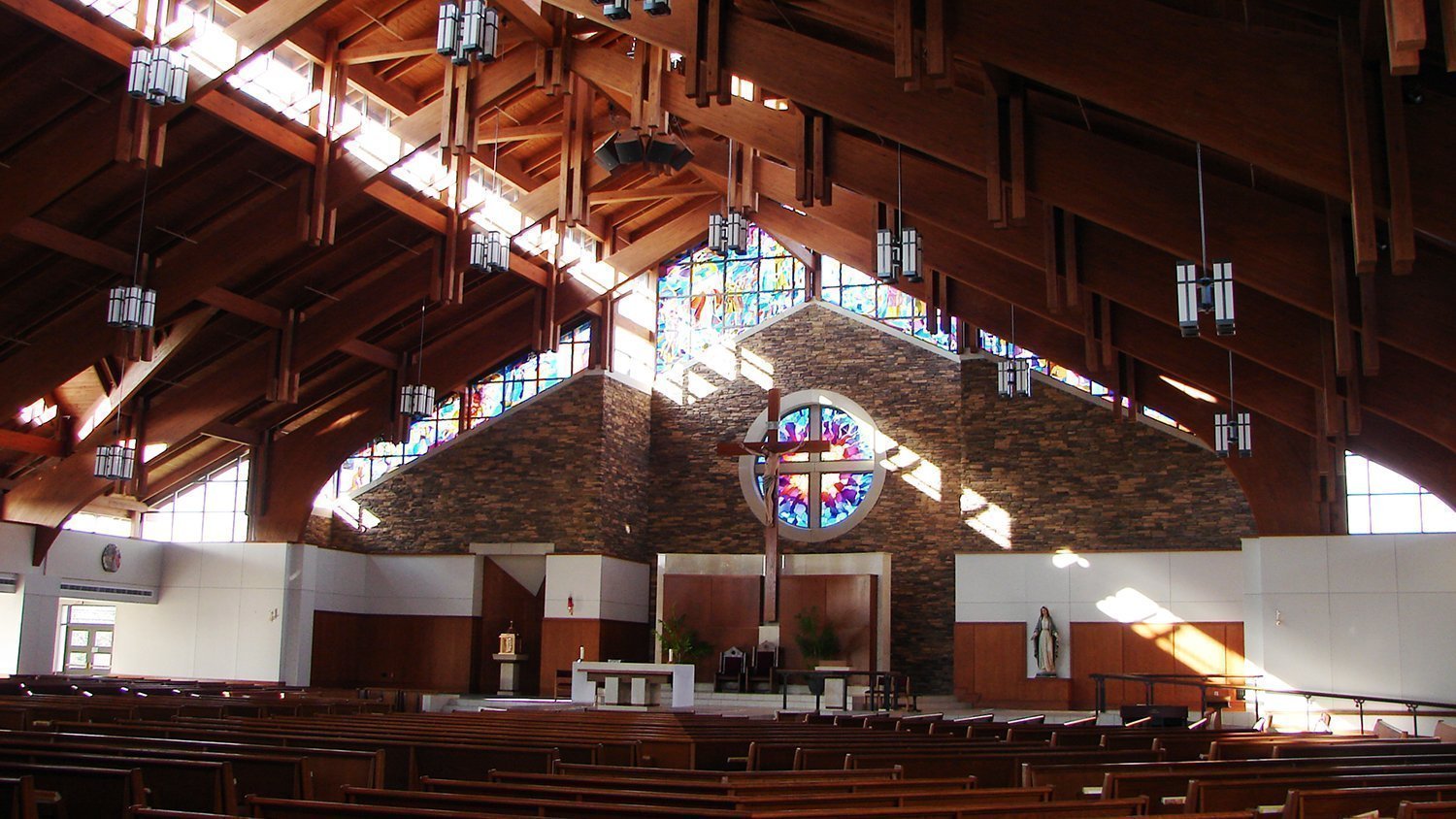
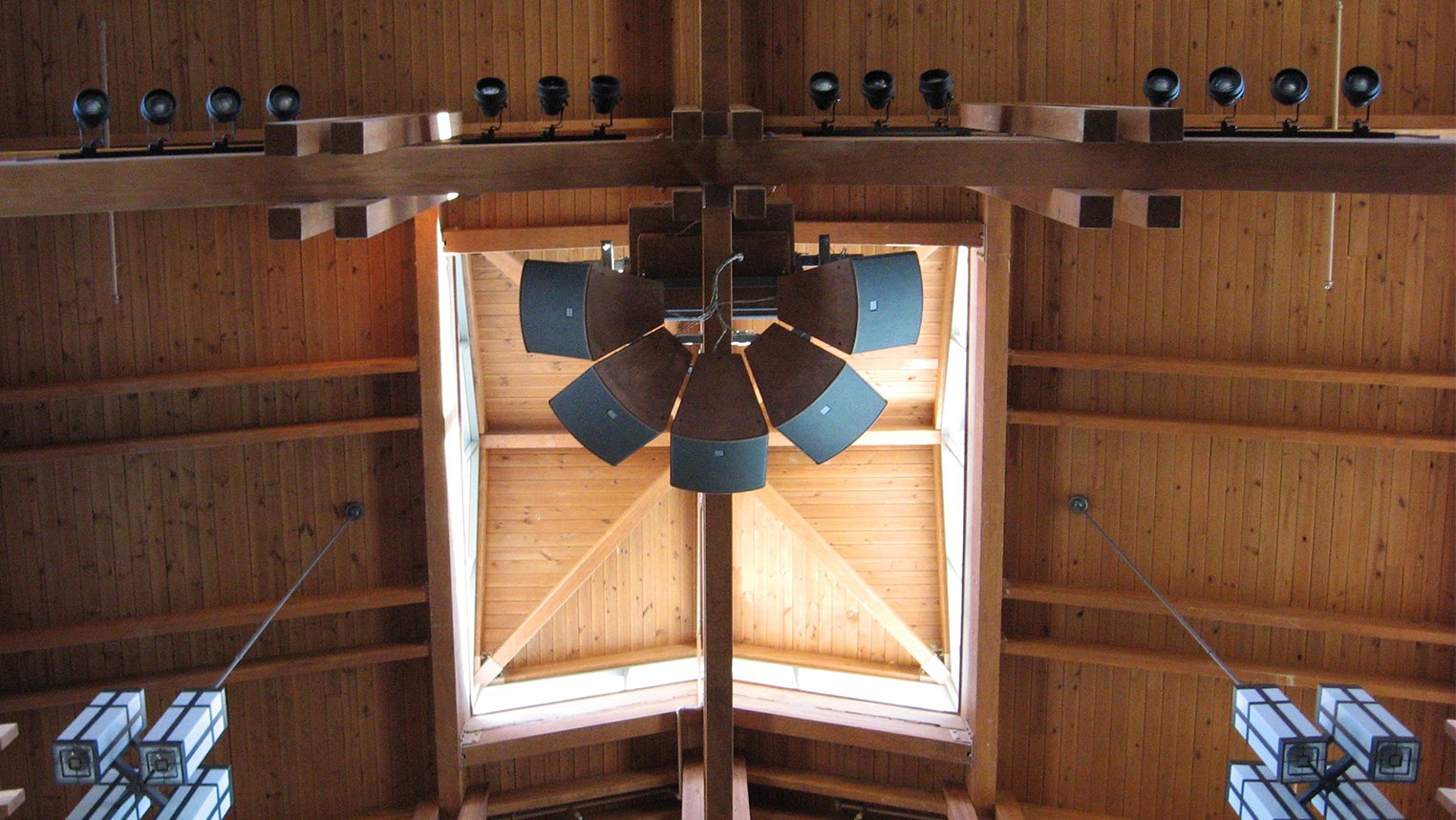
Saint Elizabeth Roman Catholic Church

Integration Project: Saint Elizabeth Roman Catholic Church

What AV System is Best for Churches?

There’s no one-size-fits-all setup for church AV, and that’s a good thing. The best system is one that reflects your space, your service style, and your team’s capabilities.

For smaller churches, a streamlined system might include a quality PA, wireless microphones, basic stage lighting, and a single camera for livestreaming. Larger congregations might need networked audio, multiple displays, motorized cameras, or centralized control systems that simplify everything from lighting scenes to livestream transitions.

But no matter the size, the goal is the same: consistency, clarity, and ease of use. Your team shouldn’t need to be tech experts to make Sunday morning work.

A good AV integration partner will help you assess:
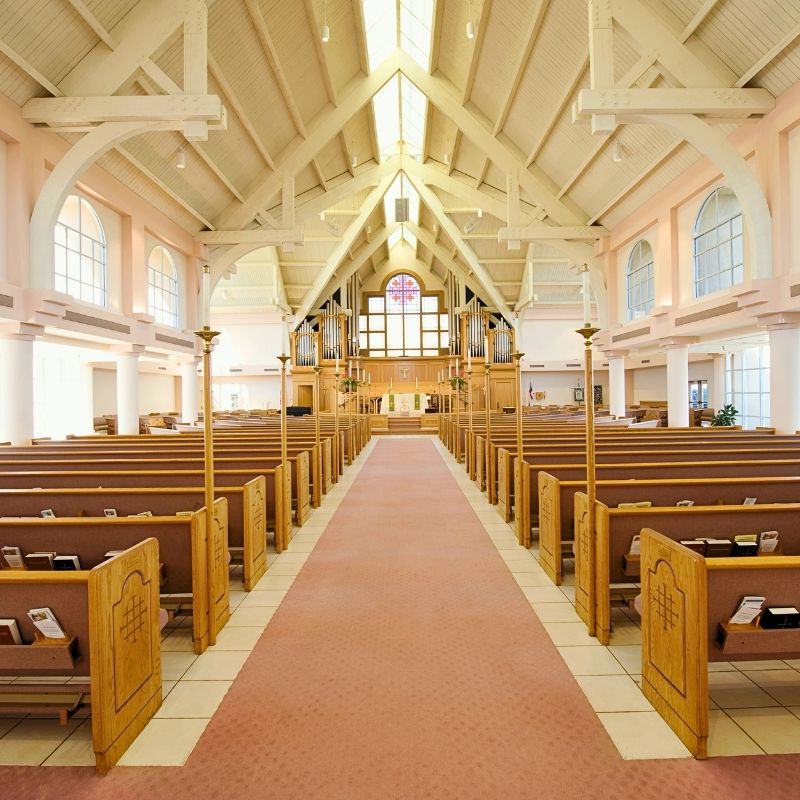
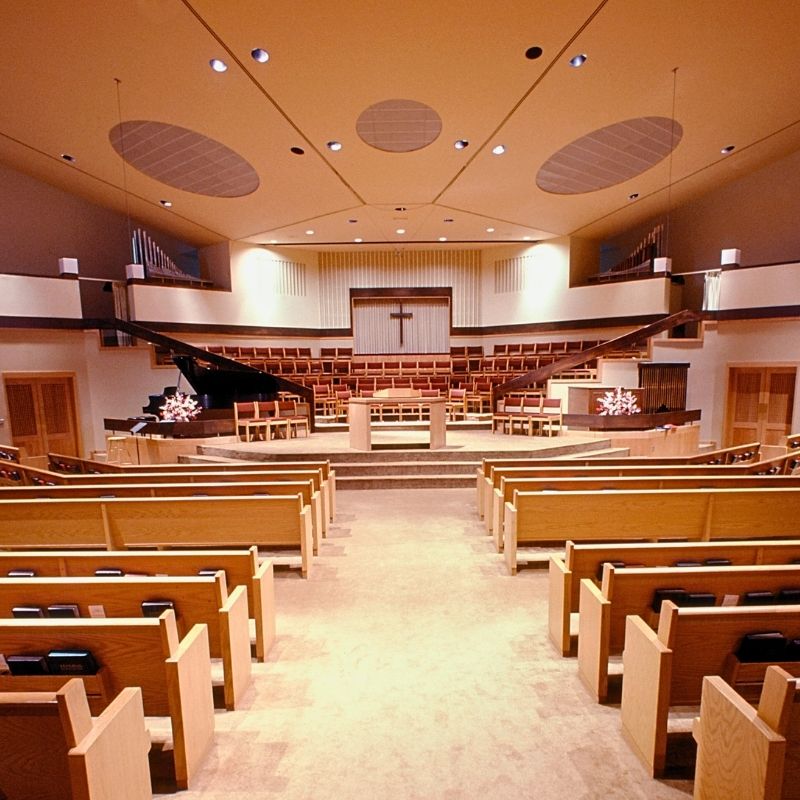
Room acoustics and layout
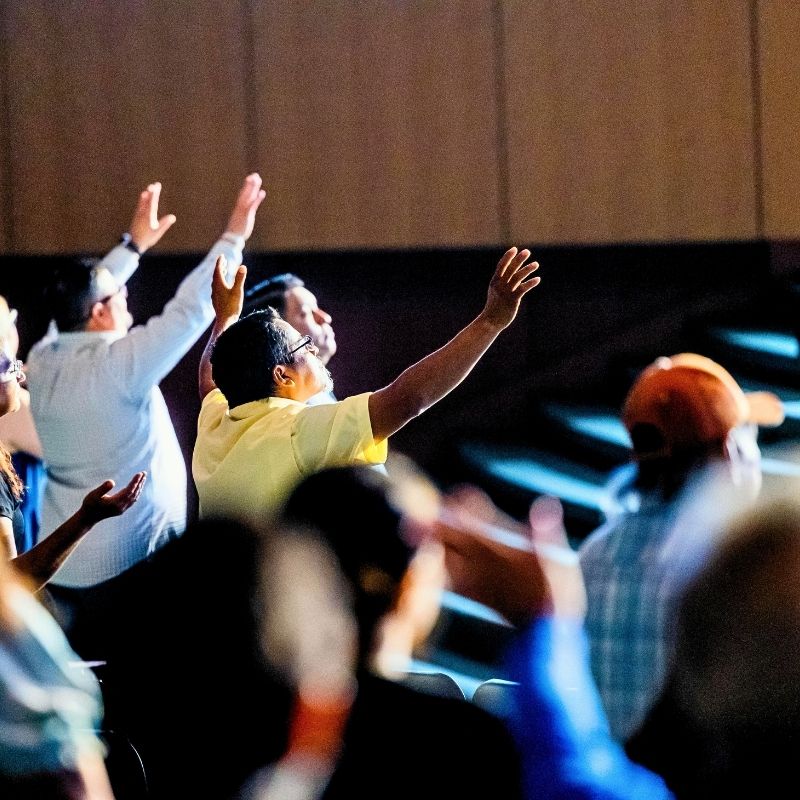
Worship style and production needs
Existing equipment that can be reused or upgraded
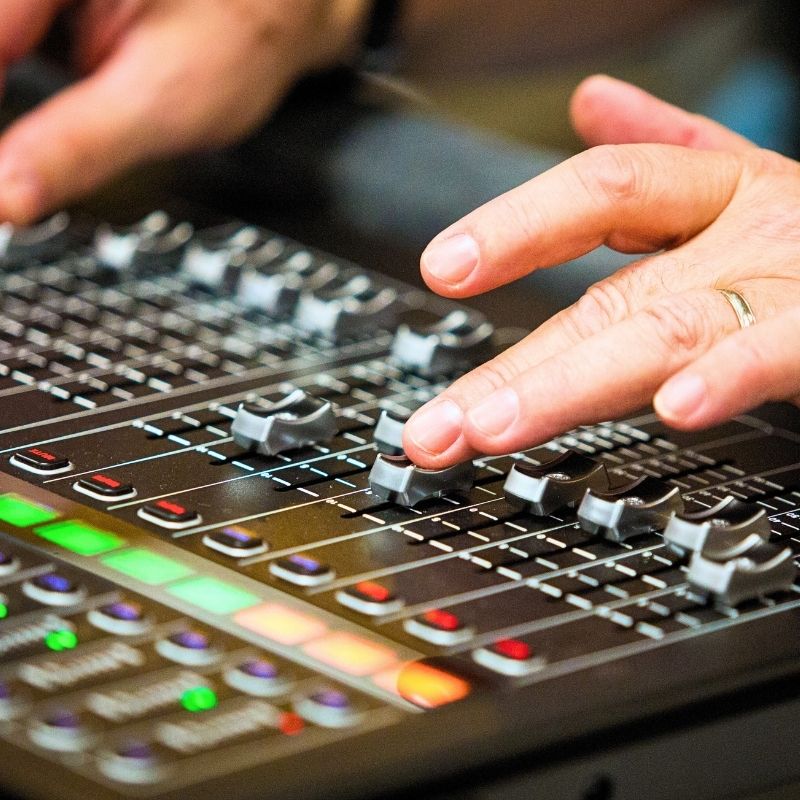
Volunteer skill level and tech comfort
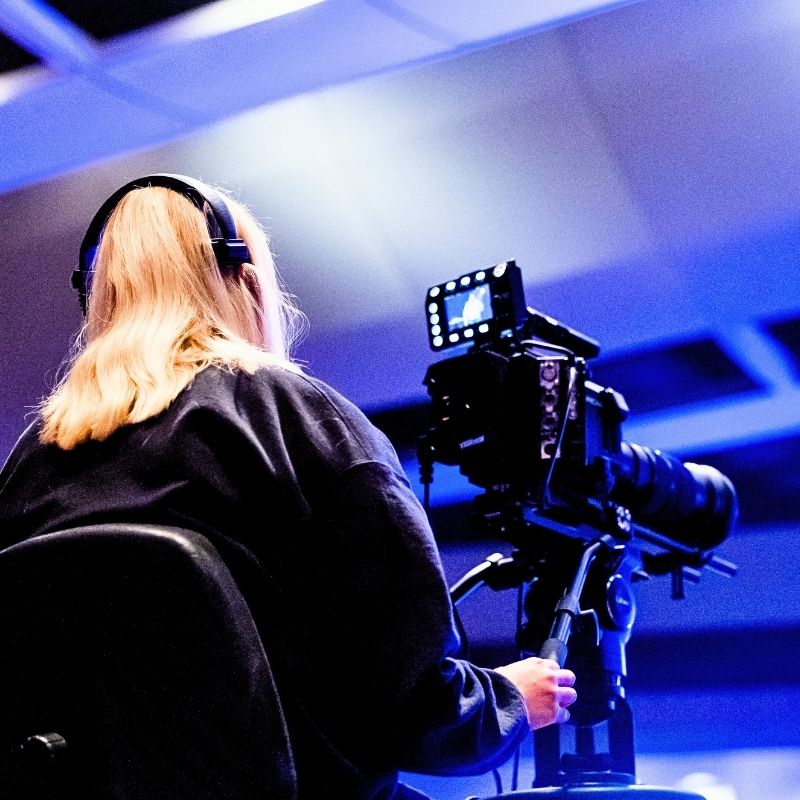
Livestreaming goals and online audience expectations

When these factors are considered from the start, your AV system will do what it’s supposed to—support the service  without calling attention to itself.


How Churches Can Integrate Audio and Video Systems

Integration is less about buying the flashiest equipment and more about making everything work together. The process starts with understanding what your church actually needs. That means looking beyond generic gear lists and instead designing a system around your unique space and service flow. Here is how that typically works:

Discovery and Needs Assessment:
A walkthrough of your worship space to understand acoustics, sightlines, and service structure—plus a conversation with your team about challenges and goals.

System Design:

Experts create a customized plan that connects the right components (like speakers, mixers, cameras, displays, lighting, and cabling), ensuring compatibility and simplicity.

Installation and Testing:

Once equipment is selected, it’s installed and tested to ensure reliability. The wiring must be clean, sound checks are thorough, and visual elements are fine-tuned.

Training and Support:

The handoff matters. Volunteers or staff are trained on how to use the system efficiently, and long-term support is available when something needs a tweak or upgrade.

It’s all about building a solid foundation that gives your church flexibility without complication. A well-integrated AV system should make services easier to run, not harder.

How Much Does AV Integration for a Church Cost?

Every church is different. Some need a full system overhaul, others just need to replace a few outdated components. Some are outfitting a new sanctuary from the ground up, while others are working within historic buildings with unique acoustic challenges.

That’s why Starlite doesn’t push cookie-cutter packages. We listen first, then build a plan that fits your needs and your budget. We work with a wide range of manufacturers, from high-end to budget-friendly, to create solutions that get the job done without unnecessary add-ons or inflated price tags.

We also understand that many churches are working with limited budgets and volunteer-run tech teams. We respect that reality and approach every project with transparency and flexibility. Whether you need a long-term integration roadmap or a quick fix to get you through Sunday, we’ll help you find the right path forward.

What Happens When AV Works Like It Should

When your audio, video, and lighting systems are integrated and functioning as they should, the focus shifts back to the service where it belongs. Sermons come through clearly. Volunteers run the board with confidence. Livestreams don’t cut out mid-service. The congregation stays engaged, whether they’re in the pews or watching from home.

You won’t notice the AV system because it’s doing its job to make the experience smoother. That’s the power of thoughtful integration—removing friction without calling attention to itself.

Churches in our region come to Starlite because we understand their reality. We don’t expect you to be tech experts, and we won’t recommend equipment you don’t need. What we do offer is decades of experience, personal attention, and a team that’s here to make your job easier. We design systems that are easy to operate, tailored to your space, and built to last. And if something does go wrong, we’re here to help fix it immediately.

Starlite doesn’t take on every job. But when it’s the right fit, we’re in it with you for the long haul. Whether you’re planning an upgrade, exploring livestreaming, or just trying to get through this weekend’s service without tech issues, our team is ready to help.
Don’t forget to follow us on social:

Top 5 Tech Takeaways from InfoComm 2025

Top 5 Tech Takeaways from InfoComm 2025

Exploring What’s Next in AV + Lighting

InfoComm 2025 in Orlando brought together some of the brightest minds and boldest technologies in the AV and lighting industry—and Starlite was there to soak it all in. Our Engineering Manager, Aaron Kramer, spent the week exploring the show floor, diving into demos, and identifying the tools and trends that are shaping the future of our work.

From immersive lighting solutions to next-gen control systems, here are Aaron’s Top 5 favorite finds from this year’s show—and why they matter to you.

1. RDL – Dante Plates

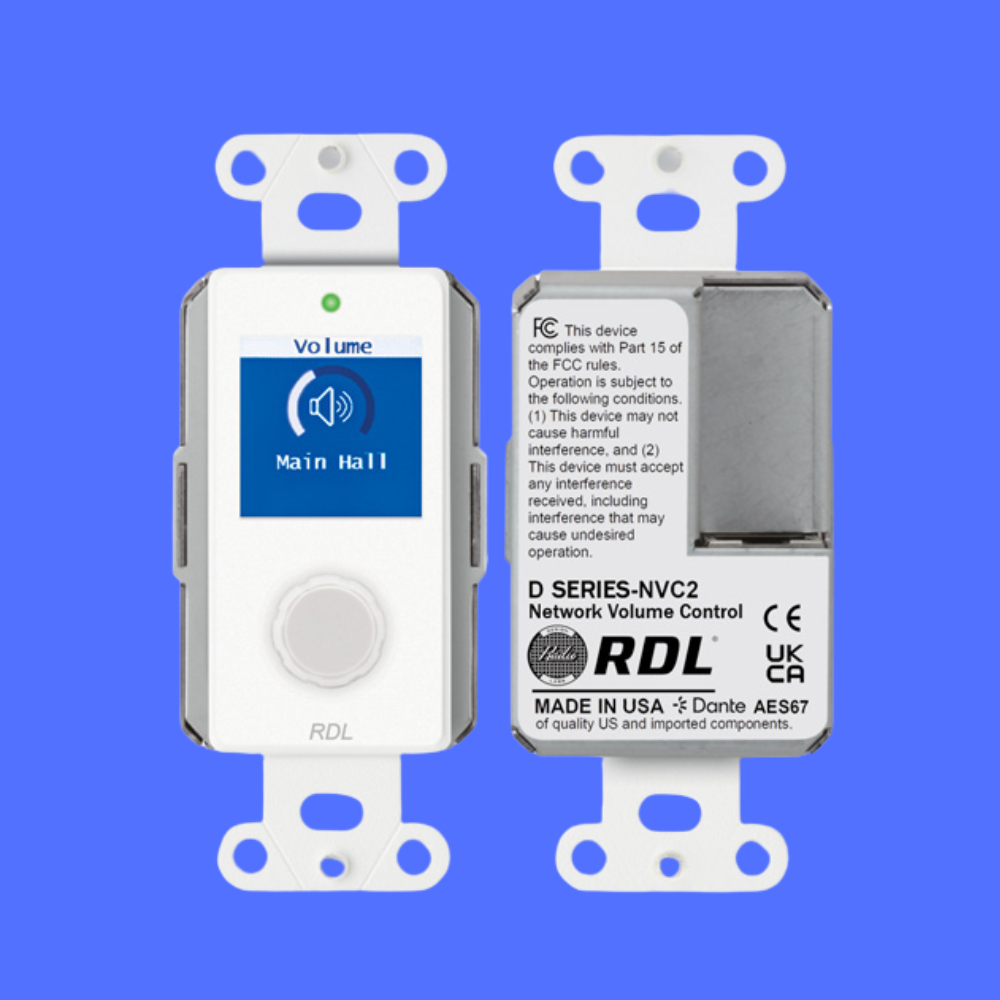
RDL Dante Plates - D-NVC2 Dante Controller

What it is:
RDL introduced new Dante input and control plates, including the D-NVC2 Dante Controller which can effectively manage any Dante/AES67 stream—regardless of the brand of other devices in the system. Also new: the D-BTN21 and D-TPSML1A input plates, bringing RDL’s well-known quality to a more budget-conscious price point.

Why it stood out:
Until now, RDL Bluetooth plates required a proprietary Format A receiver. These new plates support the widely accepted Dante format, making integration into modern AV systems far easier.

Honorable Mention:
The D-RN2ML is a bi-directional Dante plate with XLR & 1/8” inputs and dual line-out feeds—a flexible addition to any AV environment.

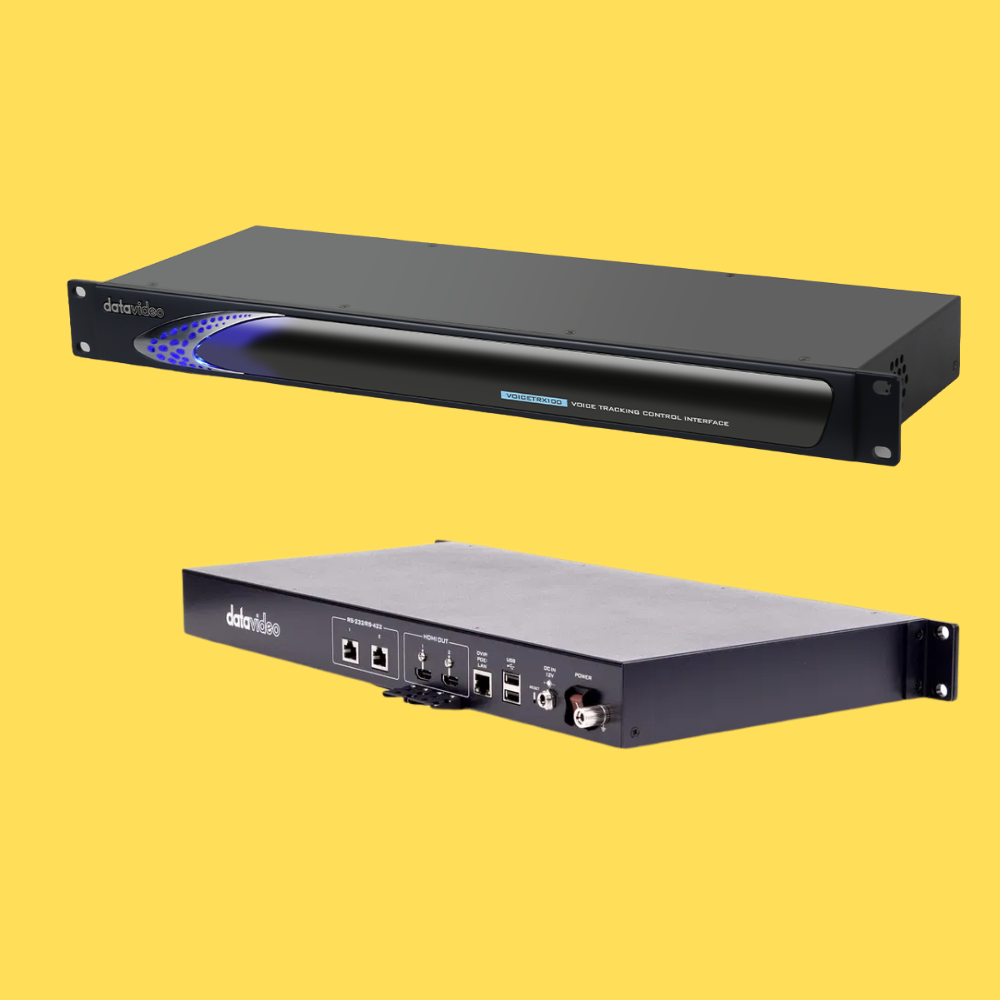
2. Data Video – VoiceTRX100

Data Video – VoiceTRX100

What it is:
VoiceTRX100 from Data Video is an intelligent camera switching system that uses audio signals to activate pre-programmed camera presets, automatically following the active speaker.

Why it stood out:
While speaker-tracking camera systems exist, they can be costly, complex, and unreliable. Data Video’s approach—using presets—simplifies the process and makes it a viable solution for spaces like courtrooms, small studios, and meeting rooms, where speakers remain in fixed locations. It’s a smart way to automate without sacrificing control or breaking the bank.

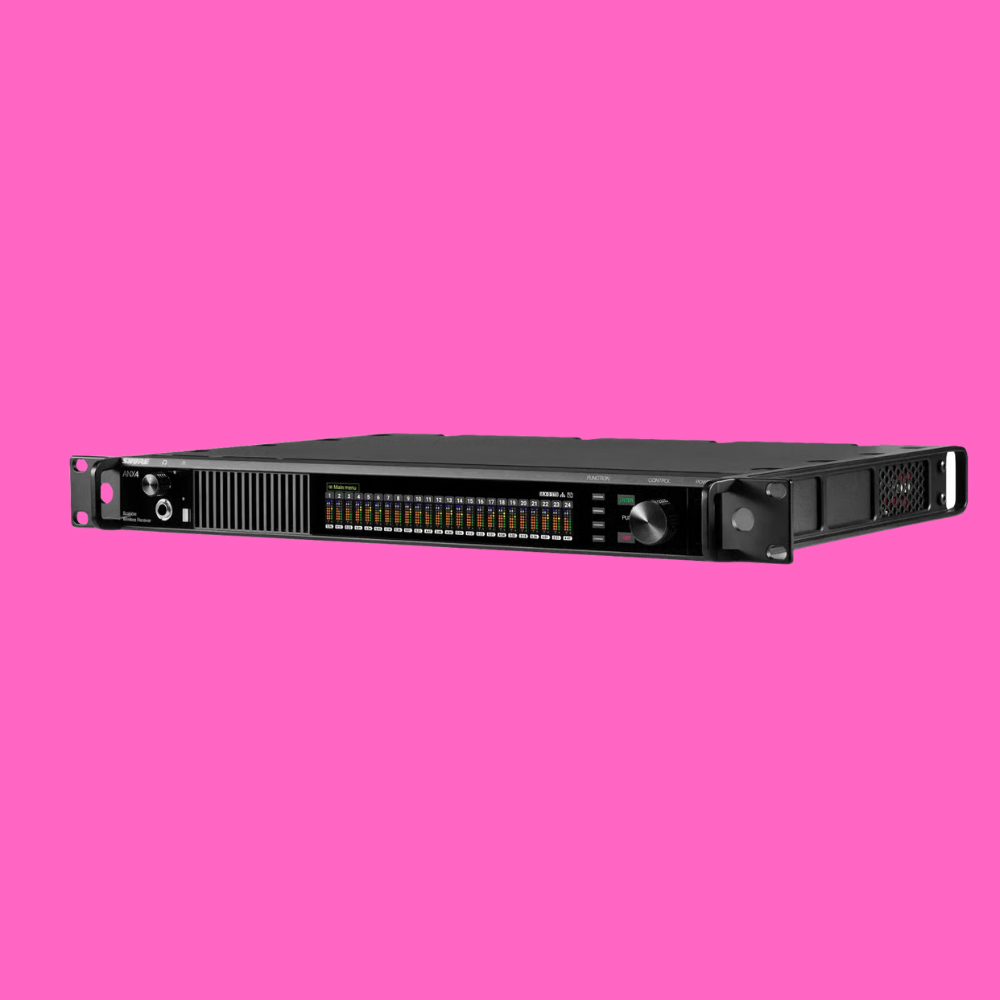
3. Shure ANX4

Shure ANX4

What it is:
Shure ANX4 is a wireless microphone receiver offering up to 16 software-defined channels in a single rack unit.

Why it stood out:
Flexibility and efficiency. The ANX4 allows users to dynamically allocate microphone channels depending on event needs—seven channels today, fourteen tomorrow—without needing extra hardware. Its compact 1RU size and reduced reliance on external antenna distribution make it a cost-saving, space-saving powerhouse.

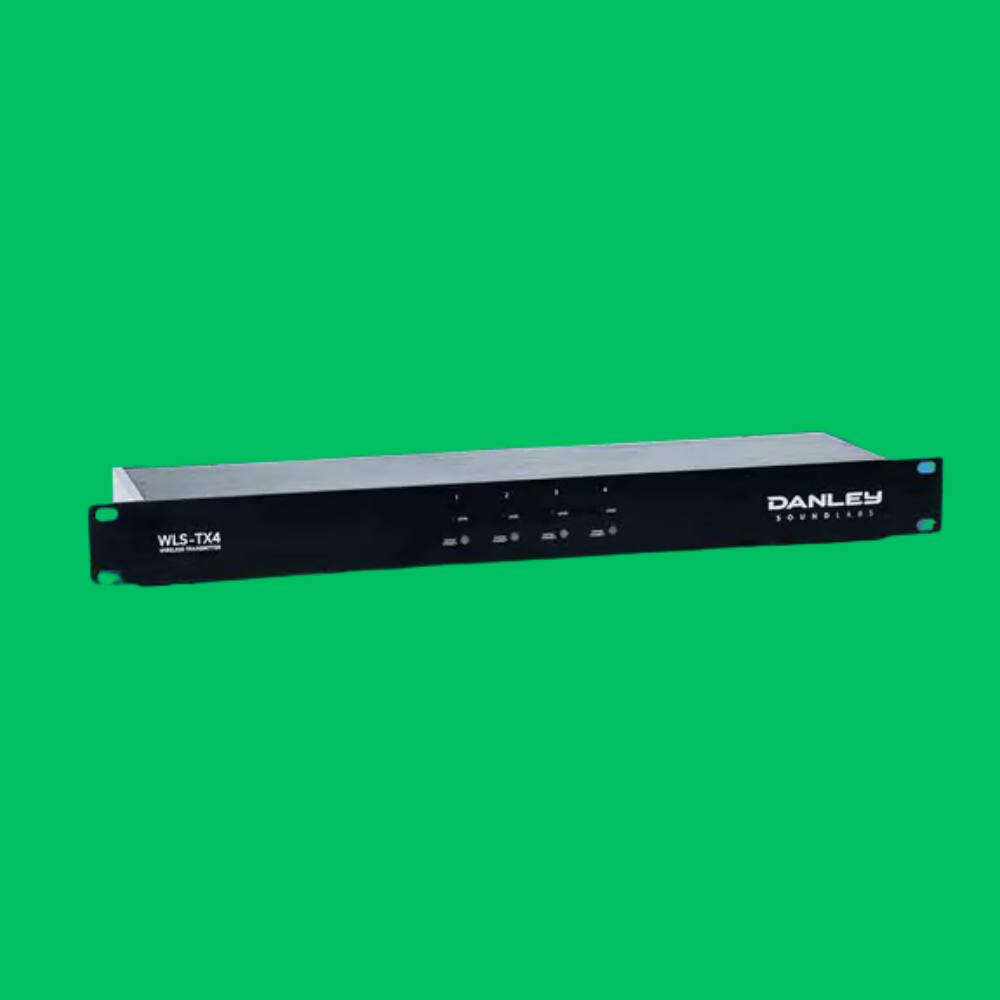
4. Danley Sound Labs – Wireless Link System

Danley Sound Labs – Wireless Link System

What it is:
Danley’s Wireless Link System provides low-latency, encrypted, frequency-hopping audio over large distances—perfect for situations where traditional cabling isn’t possible.

Why it stood out:
Picture this: a stadium with freshly laid turf and no cable trenches. Danley’s Wireless Link System enables high-quality, uncompressed audio transmission to remote speaker locations—no wires required. Combined with Danley’s weatherized outdoor amplifiers, it’s an ideal solution for challenging outdoor AV installs where line of sight is available.

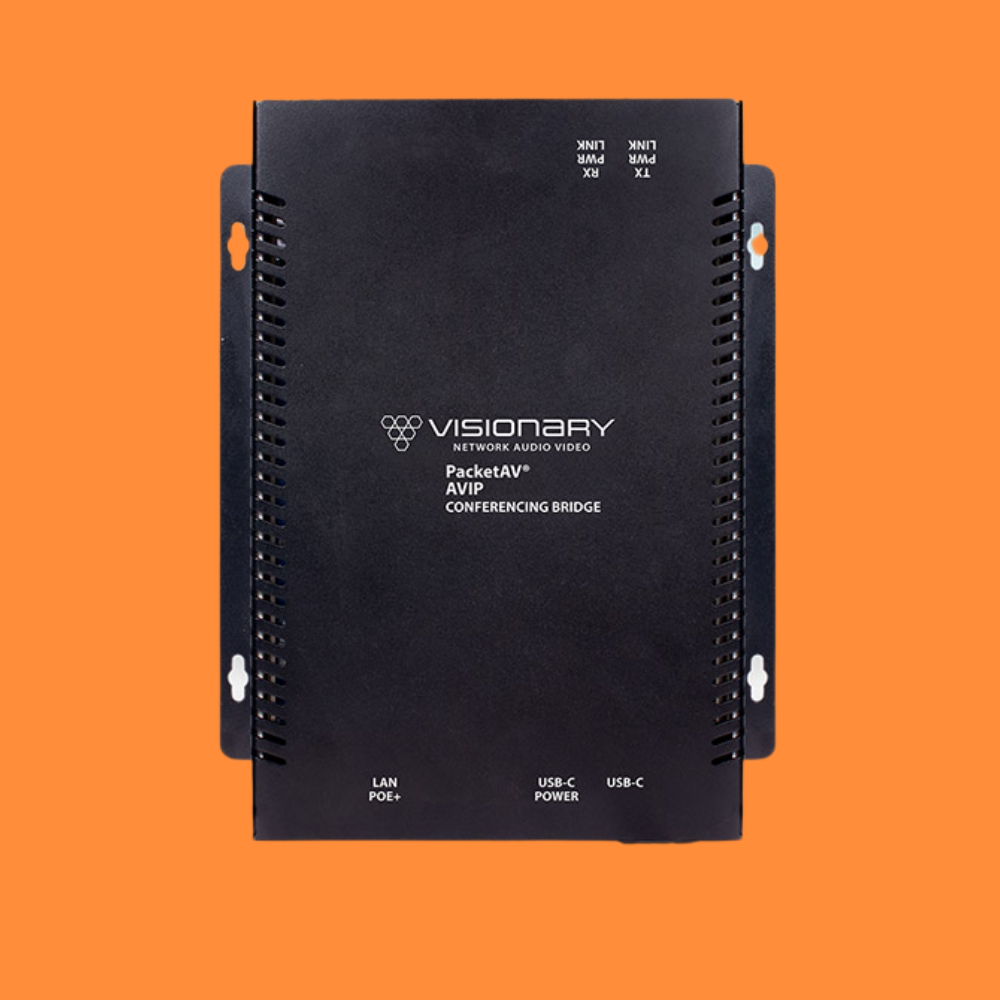
5. Visionary – XB5 USB-C Conferencing Bridge

Visionary – XB5 USB-C Conferencing Bridge

What it is:
The XB5 lets users walk into a room, plug in a USB-C cable, and instantly access the room’s AV system—cameras, microphones, speakers, and displays—using their preferred video conferencing platform.

Why it stood out:
Visionary’s pivot from HDMI to USB-C is a smart move. USB-C not only supports data and video but also delivers up to 100 watts of power. It’s the future of AV connectivity, and the XB5 makes hybrid meetings simpler and faster to launch—no extra adaptors or configuration needed.

Honorable Mentions:

While not in the top five, these products also caught our attention:

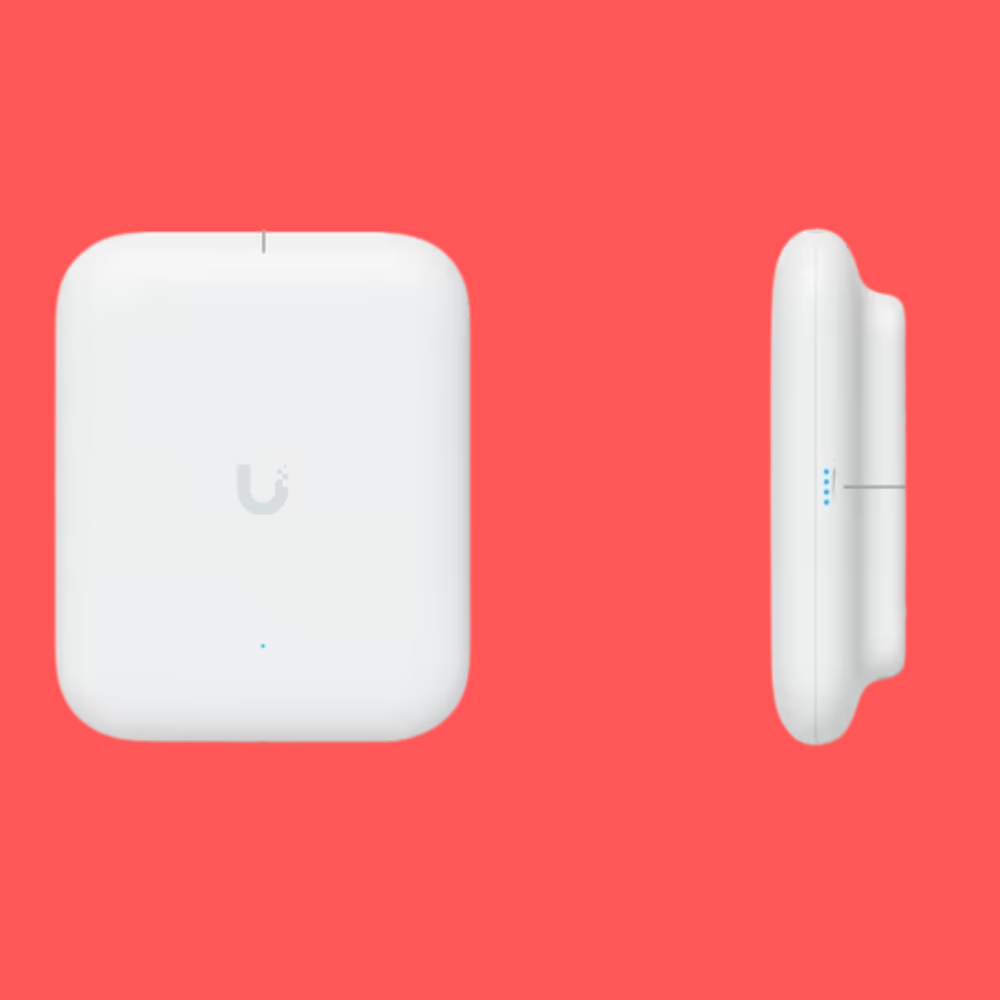
Ubiquiti U7 Pro Outdoor Access Point
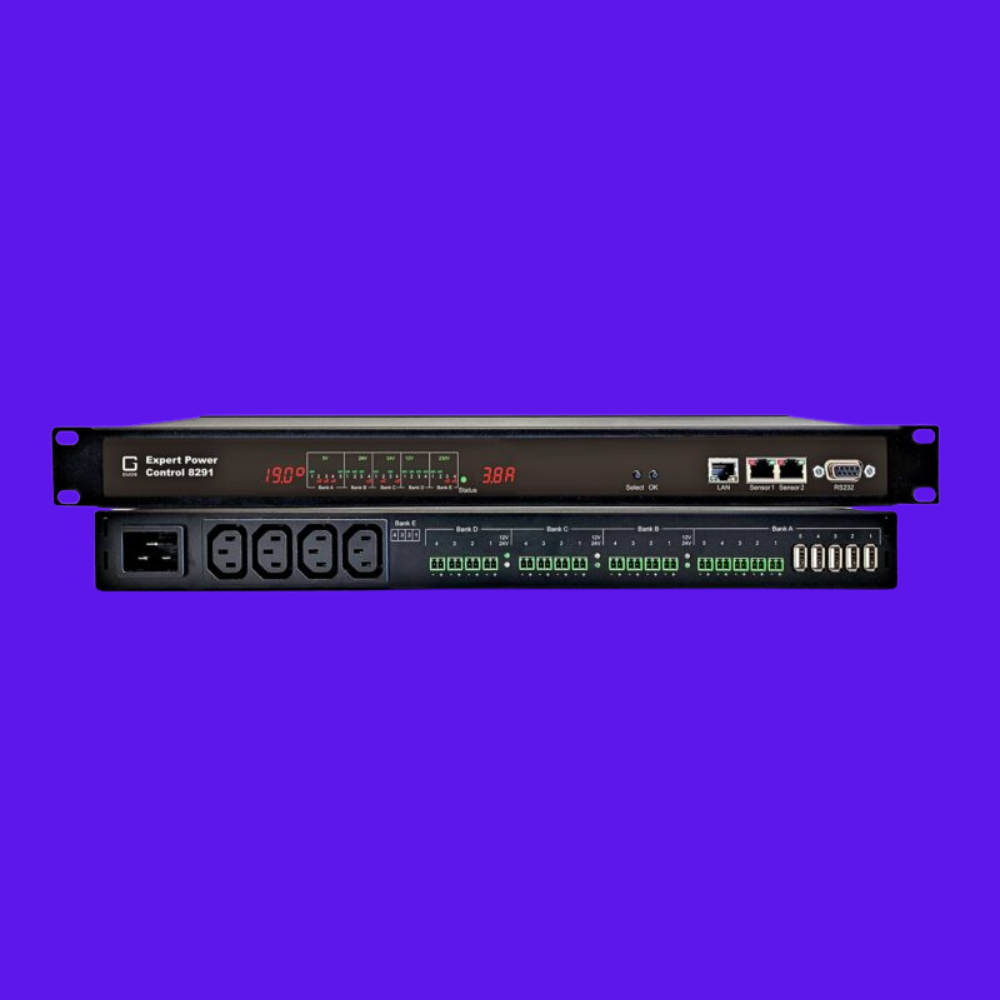
Gude Expert Power Control 8291-2
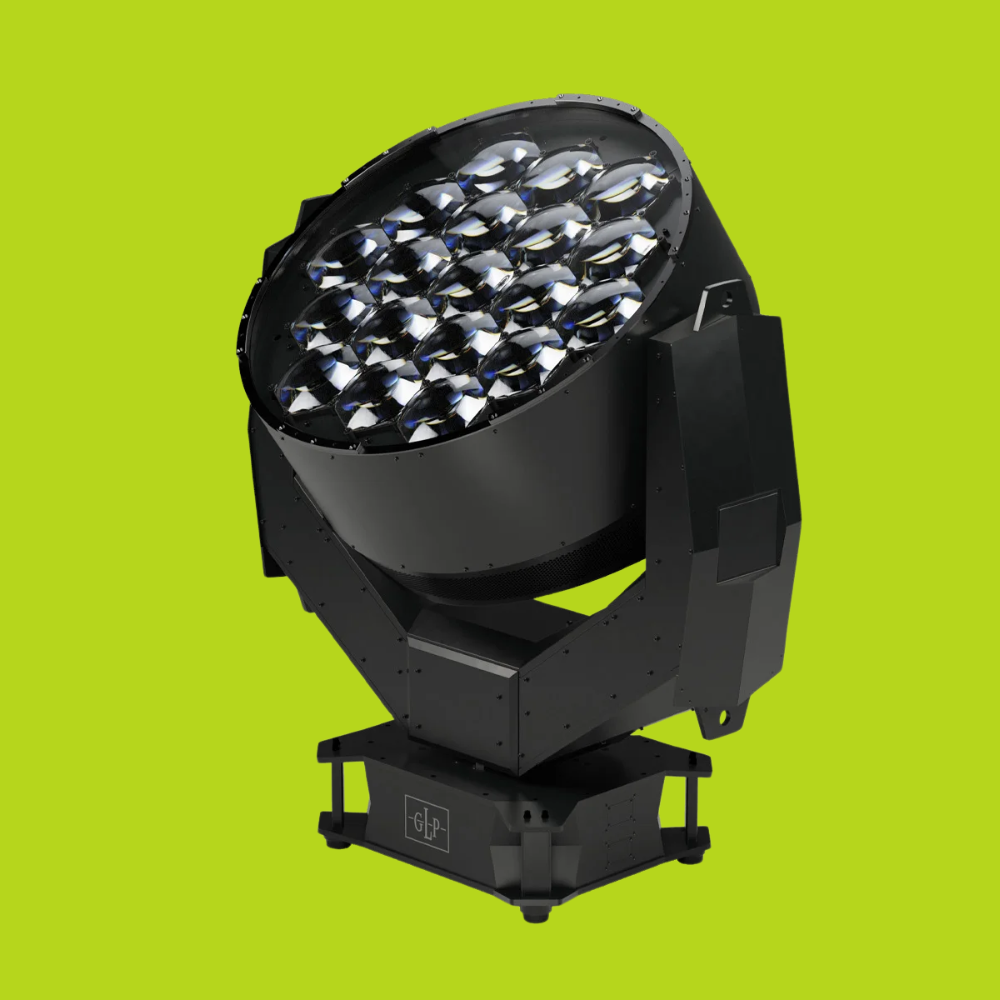
GLP Mad Maxx CW
  • GLP Mad Maxx CW: A high-output, color-changing searchlight with low power consumption—and no laser permitting required.

Why It Matters

InfoComm isn’t just a showcase—it’s a snapshot of where the AV industry is headed. At Starlite, we’re constantly investing in the knowledge and gear that keeps our clients ahead of the curve. This year’s show reinforced the value of flexibility, integration, and creative thinking in everything from event production to AV system design.

Whether you’re planning your next event or updating a facility’s infrastructure, we’re excited to help you explore what’s possible.

Let’s keep the conversation going.

Have questions about the tech featured here—or want to see how it could work for your space or event?

Don’t forget to follow us on social:

Technology for Outdoor Events: How to Choose the Right AV Partner

Technology for Outdoor Events: How to Choose the Right AV Partner

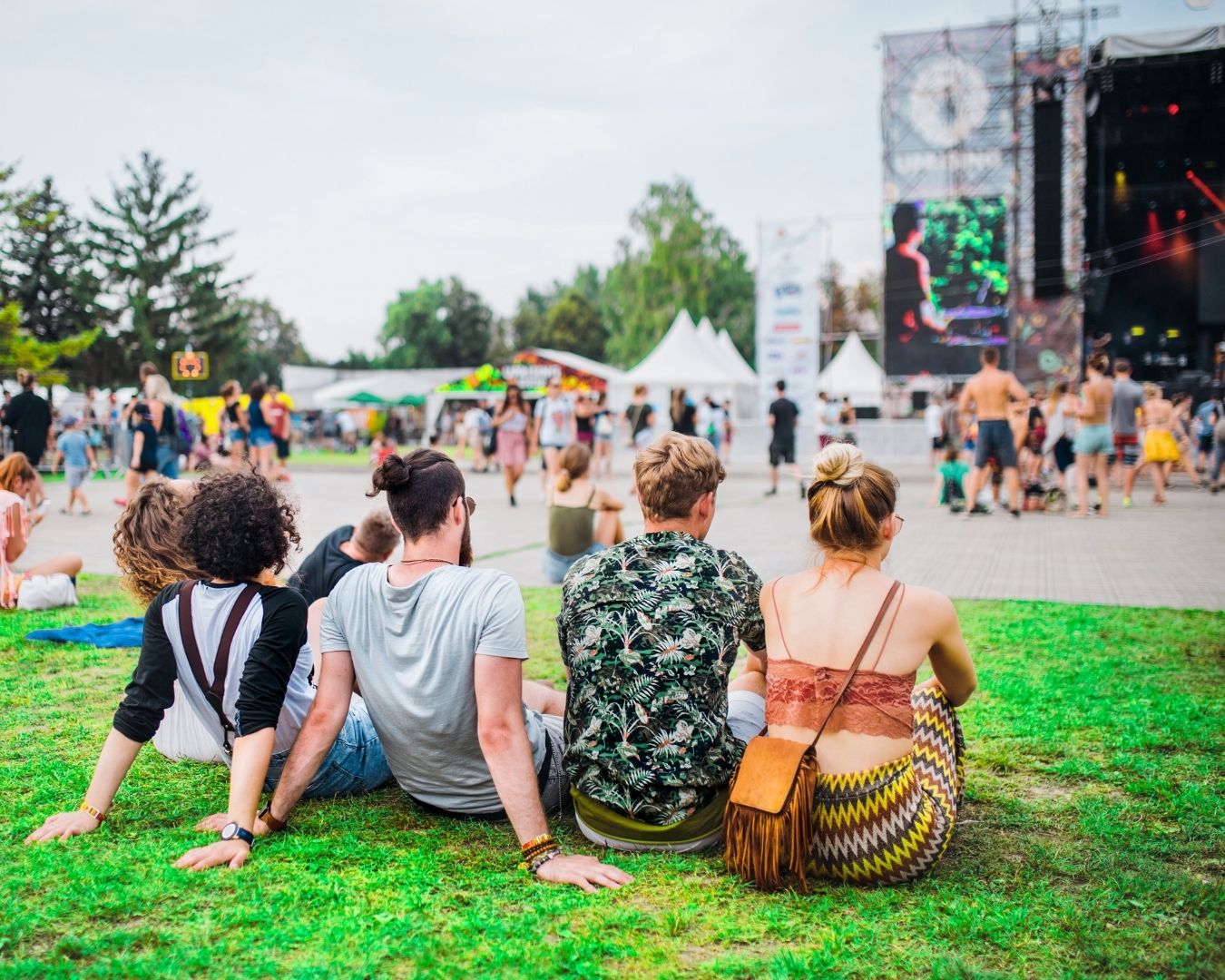
Outdoor events create unforgettable experiences, from music festivals and social gatherings to community celebrations. But unlike indoor venues, outdoor spaces come with a unique set of challenges. Wind, unpredictable weather, uneven terrain, and open-air acoustics all make choosing the right AV production partner crucial to success. Without a solid strategy, even the most well-planned event can suffer from poor sound quality, improper lighting, or technical difficulties that disrupt the experience.

How do you ensure your outdoor event has seamless sound, crystal-clear visuals, and dynamic lighting? This guide explores the essential AV for outdoor events and what to look for when selecting an AV production partner.

What Is AV in Event Production? … And Why It Matters for Outdoor Events

While indoor events take place in controlled environments, outdoor venues present unique technical challenges that require specialized AV solutions. Without walls to contain sound or fixed lighting conditions to rely on, every element of AV must be adapted to the outdoor setting. When you get the sound, lighting, video, staging, and effects of a production right, your outdoor event is more likely to have:

  • Enhanced Audience Engagement – Whether it’s a brand activation or a live concert, professional AV solutions ensure that every attendee can hear and see the action clearly.


  • Seamless Event Experience – Poorly designed AV setups can result in distorted sound, dark stages, or screen glare from the sun, leading to disengaged audiences.


  • Professional-Quality Production – High-quality AV technology transforms an event from average to exceptional by making sure every aspect runs smoothly.
Outdoor Festivals

The Role of AV in Outdoor Events

Outdoor venues can introduce unpredictable factors that impact AV performance. You need the right AV technology and expertise to handle the setting, from amphitheaters to city parks. 

1. Clear Sound Projection

One of the AV challenges at outdoor events is ensuring consistent, high-quality audio that reaches the entire audience. Open spaces lack walls to reflect and contain sound, so the right speaker placement, directional audio, and sound engineering are key to preventing distortion or uneven coverage. Professional AV teams use:

  • Line array speakers for even sound distribution across large areas.
  • Wireless microphones to eliminate tripping hazards and allow freedom of movement.
  • Digital audio mixing to balance different sound sources and avoid feedback.

2. Lighting & Visibility

Outdoor events often start in daylight and transition to evening, requiring strategic lighting to maintain visibility. Natural lighting changes throughout the day, meaning your AV partner should design a dynamic lighting setup that adapts as the event progresses. Key lighting elements include:

  • High-output stage lights that illuminate speakers and performers even in bright sunlight.
  • Stage lighting that allows for creative, dramatic designs onstage.
  • Ambient and decorative lighting in guest areas creates aesthetic appeal and supports audience safety.

3. Live Streaming & LED Screens

For larger outdoor events, LED video walls and live streaming ensure that audiences—both in-person and online—don’t miss key moments. High-quality video production is essential for everyone experiencing the event, no matter how far from the stage. Key AV elements include:

  • High-brightness LED screens that remain visible even in sunlight.
  • Multi-camera setups for professional live streaming and broadcast-quality video.
  • Content integration to display sponsor messages, event branding, and social media feeds.

4. Weather-Resistant Equipment

Mother Nature is unpredictable, so your AV equipment needs to be ready for anything—rain, wind, heat, or cold. Weatherproof gear ensures that AV performance isn’t compromised by the elements. Important considerations include:

  • Waterproof audio, video and lighting equipment to prevent damage in case of rain.
  • Wind-resistant setups to maintain safety protocols for staff and guests.
  • Backup power sources in case of electrical disruptions.

Choosing the Best AV Production Partner for Outdoor Events

Selecting an AV partner goes beyond just finding someone with the right equipment. It’s about working with an experienced team that understands the unique demands of outdoor venues and has the expertise to adapt to unpredictable conditions. These teams should have:

Experience with Outdoor Venues

A seasoned AV production partner with outdoor event experience understands the acoustic, lighting, and logistical challenges that open-air venues present. From a sprawling music festival to an intimate corporate gathering, they’ll know how to tailor solutions to suit each unique setting. Event organizers should look for providers with a proven track record of handling large-scale festivals, concerts, and outdoor corporate events and the ability to adapt to different venues’ unique sound projection needs.

High-Quality, Weatherproof Equipment

Outdoor environments require rugged, high-performance AV technology that can withstand unpredictable weather conditions. Rain, wind, and temperature fluctuations shouldn’t interfere with the event’s success. A reliable AV partner should use weatherproof, high-performance AV technology, provide backup power sources, and offer protective enclosures for sensitive equipment to ensure that unexpected weather changes do not disrupt the event.

Full-Service Event Production Capabilities

A truly capable AV production partner offers a complete suite of services, ensuring a cohesive and streamlined approach to outdoor events. Rather than juggling multiple vendors, working with a full-service provider guarantees all elements integrate seamlessly. The right AV partner will handle audio system design and setup, professional lighting execution, video production, and structural rigging so event organizers don’t have to manage multiple teams.

Strong On-Site Support & Quick Problem-Solving

Outdoor events often come with unexpected challenges like last-minute weather changes. A dependable AV provider should have on-site technicians actively monitoring environmental conditions as well as AV performance. They should have a team ready to troubleshoot any issues in real-time. Quick response times, fast troubleshooting, and real-time adjustments are critical in ensuring a smooth and uninterrupted event.

Proven Track Record & Client Success Stories

The best AV providers have a strong reputation in outdoor event production. When researching potential partners, event organizers should look at client testimonials and  case studies. A strong AV provider can provide real-world examples of past successful outdoor events and demonstrate their ability to handle unexpected challenges while still delivering a high-quality experience.


Why Is Starlite the Right AV Partner for Outdoor Events?

Starlite has a proven track record in outdoor event production, delivering high-quality AV and lighting solutions for festivals, concerts, and corporate gatherings. A standout example is The Princeton Festival, a multi-week outdoor event that required precise sound engineering, lighting design, and performance staging at Morven Museum & Garden.

For this event, Starlite provided a comprehensive production setup, ensuring superior sound and lighting quality across performances ranging from orchestra performances and operas to jazz ensembles and modern dance. Starlite implemented a customized sound design, an automated theatrical lighting rig, and video displays that enhanced audience engagement while preserving the festival’s artistic integrity.

Beyond technical execution, Starlite’s on-site support and proactive problem-solving were critical to the festival’s success. This level of expertise is what sets Starlite apart as a premier AV partner for outdoor events. Choosing the right AV production partner is crucial to creating a seamless and engaging outdoor event where every detail matters. Starlite has the expertise, technology, and industry experience to ensure that your event runs smoothly—no matter the conditions.

If you’re ready to take your outdoor event to the next level, contact the partner you can trust.

Don’t forget to follow us on social:

A Dante Audio Networking Guide for Modern AV Systems

A Dante Audio Networking Guide for Modern AV Systems

Modern AV systems demand more than just good sound, they need smart sound. If you still rely on traditional analog infrastructure, you’re missing out on the flexibility, scalability, and control that today’s environments require. That’s where Dante audio networking comes in.


From live performance venues to multi-room corporate setups, Dante has become the industry standard for distributing digital audio over standard Ethernet. But what exactly is it? How does it work? And is it really as easy to implement as people say?


In this guide, we’ll break down everything you need to know—from what Dante is and how it compares to analog audio to what gear you need and how to get it up and running. Whether you’re upgrading an existing system or starting fresh, this is your roadmap to making Dante audio networking work for you.

What Is Dante Audio Networking?

If you’ve worked with AV systems long enough, you know the headaches that come with analog audio—bulky cables, complex routing, and signal degradation over distance. Enter Dante audio networking: a digital solution that streamlines audio distribution using standard IP networks.

Developed by Audinate, Dante (short for Digital Audio Network Through Ethernet) replaces traditional point-to-point analog wiring with a sleek, scalable system that lets you route high-quality, low-latency audio anywhere over a simple Ethernet connection. Dante offers a modern approach that simplifies installation and boosts flexibility without compromising sound quality.

Dante audio networking is widely used across industries—live event venues, schools, corporate conference rooms, houses of worship—anywhere that needs dependable, crystal-clear audio distributed across multiple endpoints. It has become the gold standard for digital audio transport.


How Does Dante Audio Work? 

At its core, Dante converts audio into digital packets and transmits them over a standard Ethernet network. Think of it as sending an email, but instead of text you’re sending uncompressed, multi-channel audio with near-zero latency.

Each Dante-enabled device (whether it’s a mixer, amp, or speaker) gets its unique IP address on the network. You then use Dante Controller, a free software tool, to patch audio from one device to another with drag-and-drop simplicity. Gone are the days of hardwiring every input and output. With Dante, routing becomes a software task instead of a wiring nightmare.

Dante also handles clock synchronization automatically, ensuring that all your devices stay perfectly in sync. Because it’s built on existing IT infrastructure, it plays nicely with other networked systems and makes it easier to manage, monitor, and scale your audio setup over time.


Dante vs Analog Audio: What’s the Difference?

If you’ve ever spent hours tracing cables or troubleshooting a hum in an analog setup, this is for you. While analog systems have been the standard for decades, they come with limitations like bulky wiring, limited routing options, and signal degradation over long distances. Dante audio networking completely flips the script.

Feature:

Cabling

Scalability 

Signal Quality

Routing

Troubleshooting

Latency Management

Analog Audio

Individual cables for each channel

Difficult and expensive

Degrades over long distances

Manual and hardware-limited

Time-consuming and manual

Passive, prone to drive

Dante Audio 

Single Ethernet cable for dozens of channels

Easy to expand and reconfigure

Uncompressed digital audio, pristine over distance

Software-based, flexible, real-time

Centralized, software-monitored

Actively managed, ultra-low latency

Your audio system becomes dynamic and adaptable with Dante. Need to route audio between multiple buildings? Add a few switches. Want to reconfigure your signal flow mid-event? Open the Dante Controller and make it happen in seconds.

Benefits of Dante Audio Networking

Switching to Dante is about building an audio system that’s smarter, faster to deploy, and easier to manage—especially when your AV needs are anything but static. Here are some of the other biggest advantages it brings to the table:

  1. Scalability and Flexibility: Need to add more mics, speakers, or rooms to your system? Dante systems scale easily by plugging into standard network switches, no rewiring required. This is ideal for growing venues, multi-room installations, or temporary expansions.
  2. Centralized Control: With Dante Controller, you can route, name, and monitor every signal on the network from one screen. That level of visibility and control makes troubleshooting faster and makes complex routing jobs feel surprisingly simple.
  3. Rock-Solid Audio Quality: What you hear is exactly what was sent, with no signal loss or noise picked up along the way. Because it’s digital, there is no degradation over long cable runs.
  4. Compatibility with Existing Networks and Gear: Dante runs on standard IP infrastructure, meaning it can often coexist with your existing AV or IT setup. Have analog devices you still love? Dante AVIO adapters can bring them into your digital network, giving you the best of both worlds without replacing every piece of equipment.

What Equipment Is Needed for Dante Audio Networking?

You don’t need to start from scratch. Whether you’re building a new system or retrofitting an existing one, Dante is built to meet you where you are and scale up from there.

At the heart of any Dante setup are your Dante-enabled devices—mixers, microphones, amplifiers, and speakers that speak Dante natively over Ethernet. But even if you have tried-and-true analog gear you aren’t ready to part with, that is where Dante AVIO adapters come in. They act as bridges between your legacy equipment and the digital network.

A reliable gigabit Ethernet switch is essential and the backbone of your Dante network. Since Dante runs over standard CAT5e or CAT6 cabling, you’re likely already equipped with what you need. Add in Dante Controller and you have everything necessary to route, manage, and monitor your system from a single screen.

For more advanced systems or enterprise-level control, tools like Dante Domain Manager or Dante Virtual Soundcard can unlock extra layers of customization and recording capabilities. But for most users, especially those just getting started, the basic gear list is refreshingly manageable.

Dante Audio Setup Guide: Step-by-Step

Setting up a Dante audio network is refreshingly straightforward. Here’s how to do it:

  1. Connect all Dante devices to the same Ethernet switch using CAT5e or CAT6 cables.
  2. Power everything on and open the Dante Controller software on your computer.
  3. Confirm device detection—Dante Controller will automatically recognize what’s on the network.
  4. Assign names and create routes between inputs and outputs with drag-and-drop ease.
  5. Test your signal paths to make sure audio is flowing where it should.
  6. Save your configuration so you can reload or replicate it later.

Pro Tip: Label everything clearly in Dante Controller and back up your config files regularly, especially before firmware updates or major system changes.

AV needs are constantly evolving, and Dante audio networking offers something rare: simplicity, scalability, and sound quality all in one package. It gives you the tools to route pristine, low-latency audio wherever it needs to go—without the headaches of analog cabling or rigid infrastructure.

If you are ready to modernize your AV setup—or even just curious what a Dante-enabled system could look like for your space—the experienced team at Starlite is ready to help you.

Don’t forget to follow us on social:

Product Spotlight: Ayrton Veloce Profile

Product Spotlight: Ayrton Veloce Profile

Built for the Elements, Designed for Impact

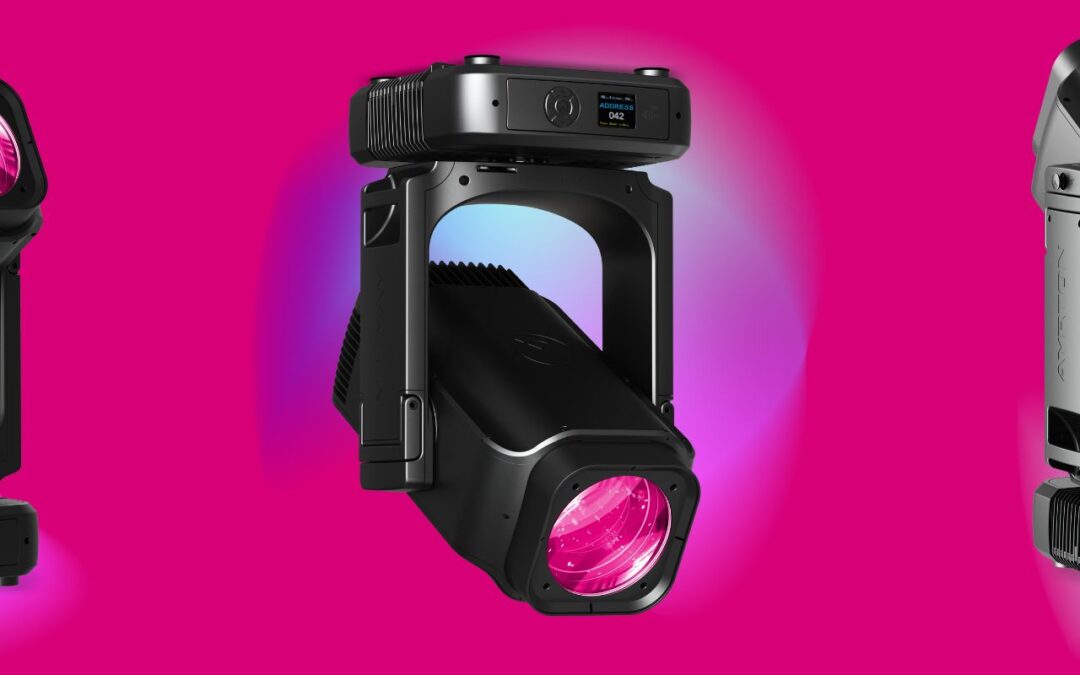
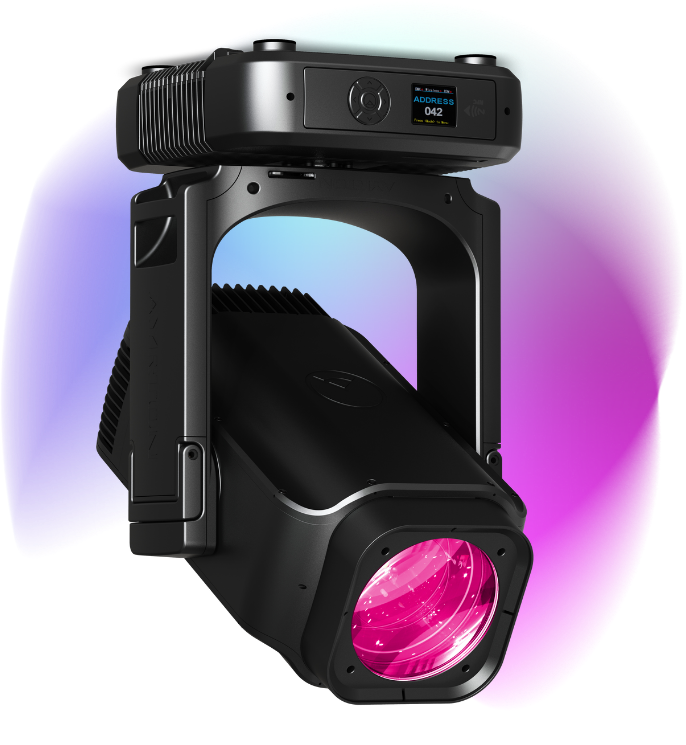
We’re thrilled to spotlight one of the newest additions to our growing rental inventory: the Ayrton Veloce Profile. This ultra-equipped fixture from Ayrton’s ULTIMATE range represents the latest evolution in outdoor-ready, high-output lighting—and we couldn’t be more excited to offer it to our clients.

Whether you’re planning a large-scale concert tour, an outdoor festival, or a high-end corporate production, the Veloce Profile is engineered to meet the toughest demands with unmatched performance.

Rugged. Refined. Ready for Anything.

The Veloce Profile doesn’t just raise the bar—it redefines it. With a sleek, lightweight design (just shy of 90 lbs.) and IP65-rated weather protection, this fixture is built for the rigors of outdoor use in all environments. Rain or shine, you can count on the Veloce to deliver consistent, professional-quality output every time.

The Veloce Profile produces a staggering 43,000 lumens. That’s light you can trust to cut through even the most complex outdoor scenes—from foggy festival fields to massive stadium stages.

View the full spec sheet

Unmatched Versatility for Touring and Festivals

The Veloce Profile’s flexibility makes it a dream for designers and rental clients alike. With a deep feature set that enables both subtle ambiance and bold spectacle, you’ll be ready for anything the show calls for. Whether you’re shaping tight beams or creating massive textures, the Veloce delivers with precision.

Touring and Festivals

Key features include:


  • IP65 rated

  • 43,000 lumens

  • 13:1 zoom ratio

  • Zoom aperture: 4° to 52°

  • CMY color mixing system

  • Ultra-precise framing module

  • Dual rotating and indexable prisms

  • Dual rotating gobo wheels with seven high-precision glass gobos

  • Focusable animation wheel with continuous rotation in both directions

  • Electronic dimming for smooth light adjustment

Quiet, Smart, and Camera-Ready

Its flicker-free source management makes it an excellent option for broadcast, live streaming, and recording environments where visual clarity and audio sensitivity matter.


PRODUCT SPOTLIGHT - Veloce Profile

Despite its power, the Veloce Profile is whisper-quiet thanks to:

  • An advanced sealed liquid cooling system


  • IP68-rated variable-speed fans


  • User-selectable modes, including Super Silent Mode

Built for the Road. Backed by Ayrton. Available from Starlite.

At Starlite, we invest in gear that empowers creativity. Ayrton fixtures have consistently impressed us with their performance, innovation, and road-tested durability. The addition of the Veloce Profile reflects our continued commitment to offering the best tools to our clients.

→ Whether you’re a lighting designer pushing creative boundaries or a production manager planning the next big tour, the Veloce Profile belongs in your rig.

Now in Stock—Rent the Veloce Profile Today

Ready to add the Veloce Profile to your next event, project or tour? Contact our rental team, and let’s make it happen.

Expert customer support from our in-house team and a full range of accessories and compatible gear

Don’t forget to follow us on social media: