In 2026, Philadelphia will stand at the center of one of the country’s most significant milestones: America’s 250th anniversary.
Millions of visitors are expected to travel to the city for cultural events, historic programming, and international celebrations surrounding the Semiquincentennial. Major events including the FIFA World Cup and MLB All-Star festivities will add even more energy to the year. Across the city, museums and public institutions are preparing for a moment that will place renewed attention on Philadelphia’s landmarks, history, and the spaces that help tell America’s story.
At The Franklin Institute, that preparation includes a major modernization inside one of the museum’s most recognizable and historically significant spaces: the Benjamin Franklin National Memorial Hall.
The project focused on upgrading interior and exterior lighting systems surrounding the institute to support enhanced multimedia programming and future visitor experiences while preserving the architectural character of the landmark itself. More than simply updating fixtures, the museum needed a flexible visual environment capable of supporting storytelling, presentations, special events, and future programming without losing the atmosphere that makes the memorial feel timeless.
That is where Starlite stepped in.
As an AV and lighting integration company serving museums, performing arts venues, public attractions, and historic environments, Starlite partnered with The Franklin Institute to modernize the memorial’s visual infrastructure while respecting the integrity of the space itself.
The result is an environment that feels thoughtfully integrated into the architecture rather than layered on top of it, giving the museum greater flexibility while helping visitors engage more deeply with Benjamin Franklin’s story.
Bringing New Life to a Historic Space
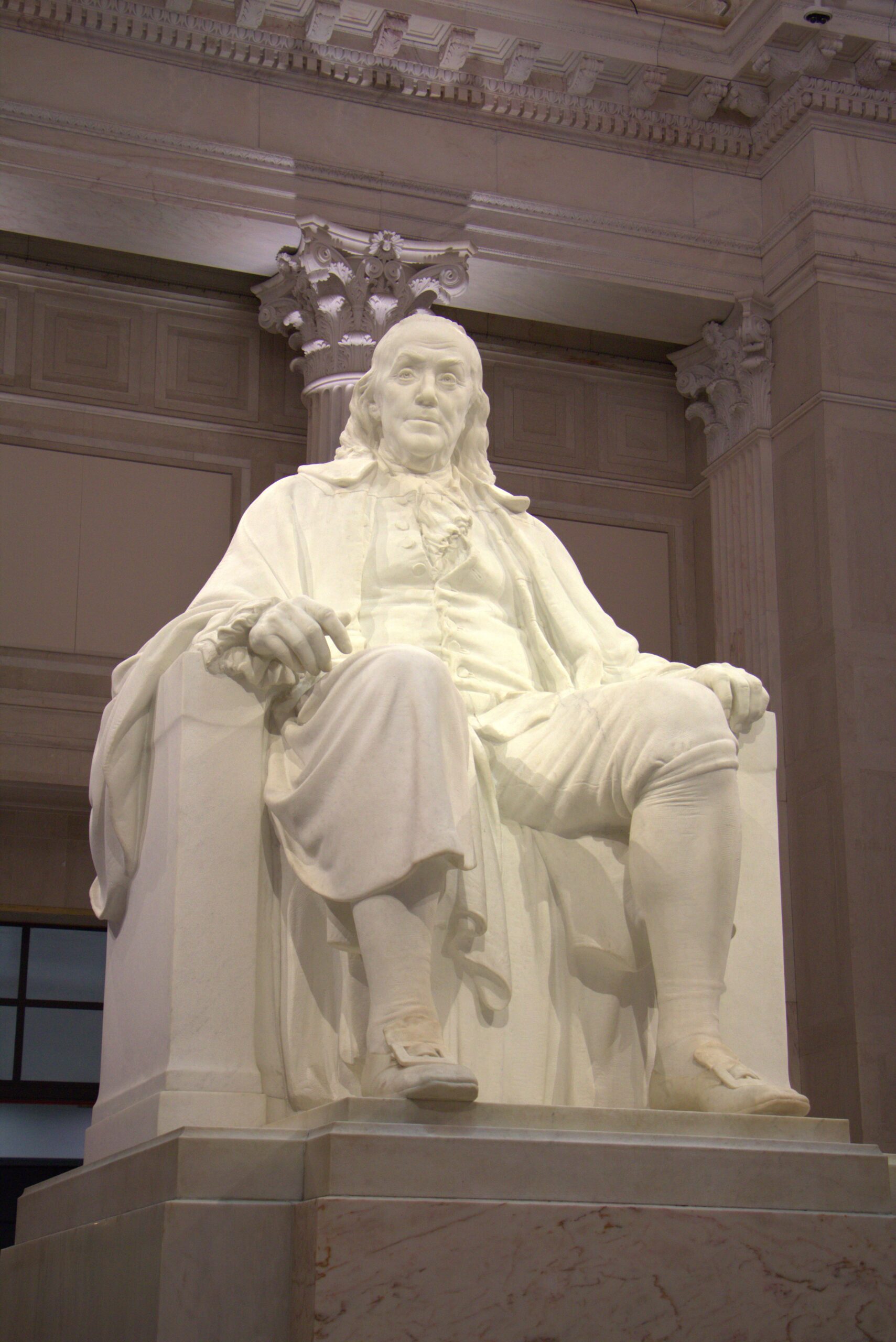
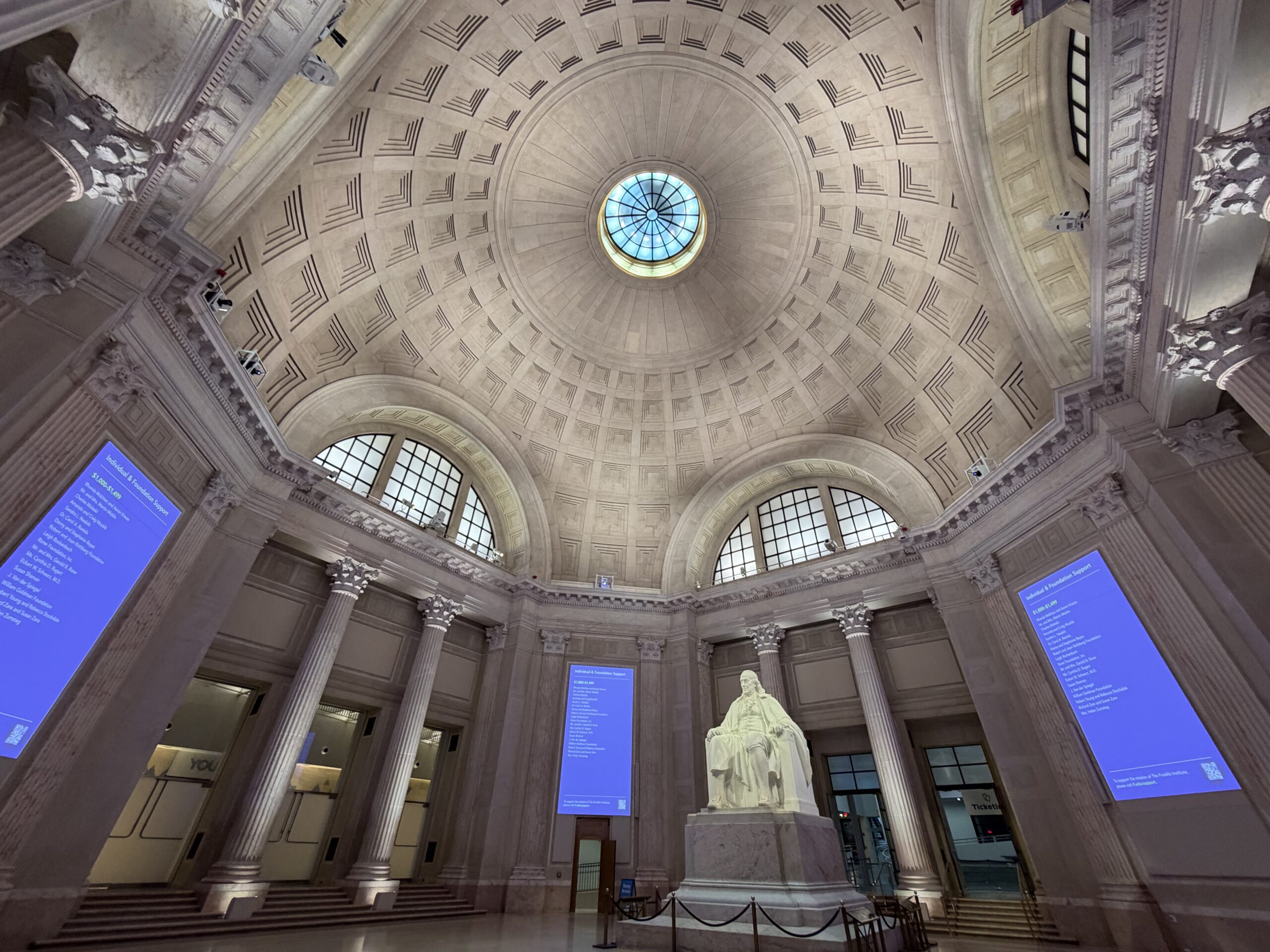
The Benjamin Franklin National Memorial Hall has long been one of the most iconic spaces inside The Franklin Institute. Anchored by the towering statue of Franklin beneath the memorial rotunda, the room carries both architectural significance and emotional weight for visitors moving through the museum.
For generations, the memorial has been a place associated with scale, stillness, and reflection.
Over time, portions of the existing lighting surrounding the space had begun to lose impact. Some fixtures no longer provided the consistency or flexibility needed for modern museum programming, while other areas lacked the level of control required for immersive multimedia presentations and dynamic scene changes.
But for a space like the Benjamin Franklin National Memorial Hall, the goal was never simply to brighten the room.
It needed to guide attention.
Every design and programming decision had to account for the architecture, visitor sightlines, and the importance of preserving the atmosphere that defines the memorial experience. The technology needed to enhance the environment without distracting from it.
Starlite replaced and reprogrammed systems throughout the memorial to create a more adaptable visual foundation for the museum moving forward. The updated environment now supports a range of programming needs, including daily guest experiences, educational presentations, special events, and multimedia-supported storytelling.
Just as importantly, the upgrades change how visitors experience the room itself.
Rather than flattening the space with uniform brightness, the system was designed to create depth, reinforce architectural details, and naturally direct focus throughout the memorial. Subtle shifts in tone and intensity now allow the room to transition between quiet moments of reflection and more dramatic multimedia presentations without losing the character of the space.
Designing an Environment for Storytelling
Modern museum experiences are no longer static.
Visitors increasingly expect environments that feel immersive, responsive, and emotionally connected to the stories being told. Lighting now plays a larger role in shaping how audiences move through a space, where their attention is drawn, and how exhibits are experienced as a whole.
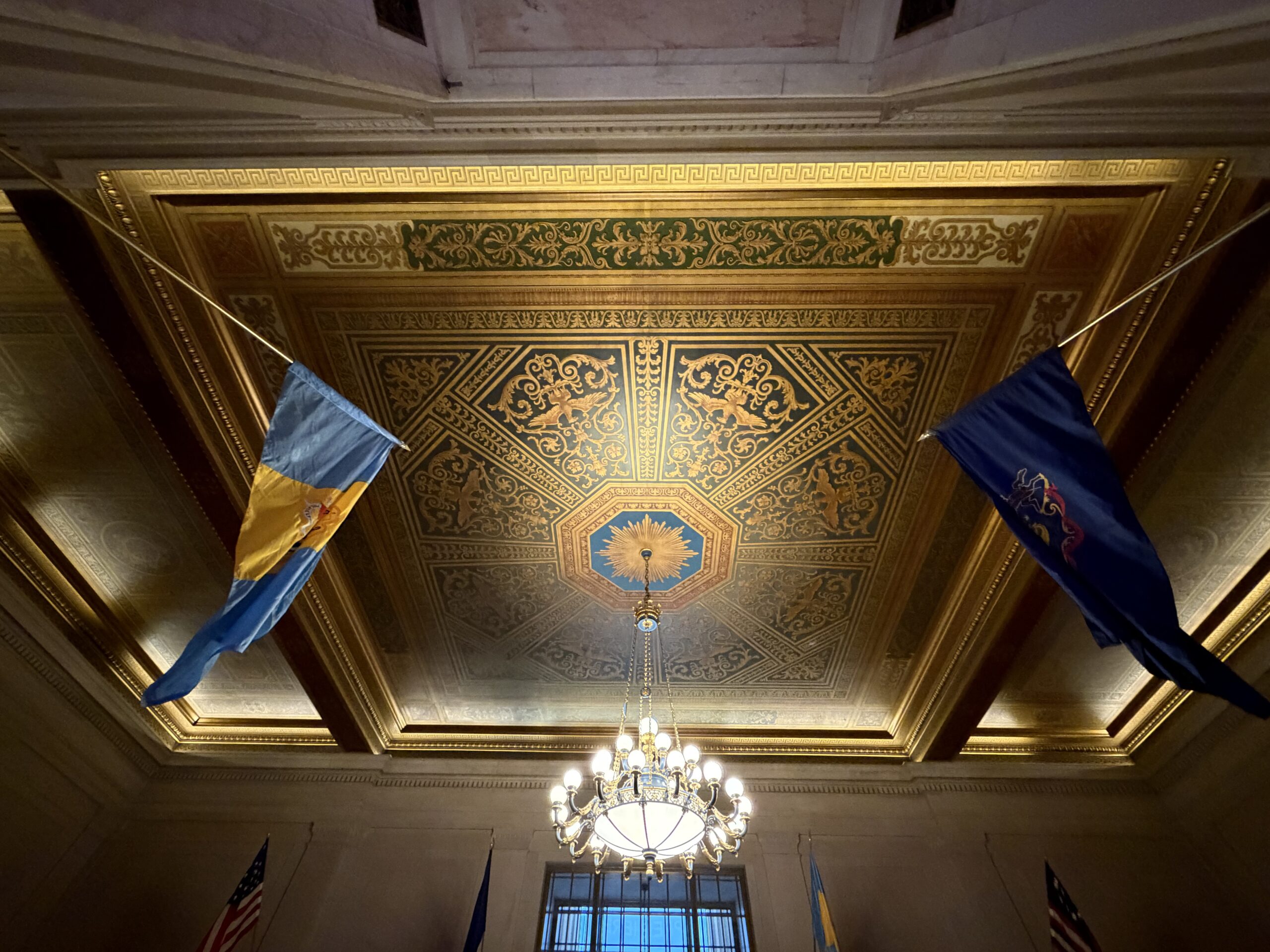
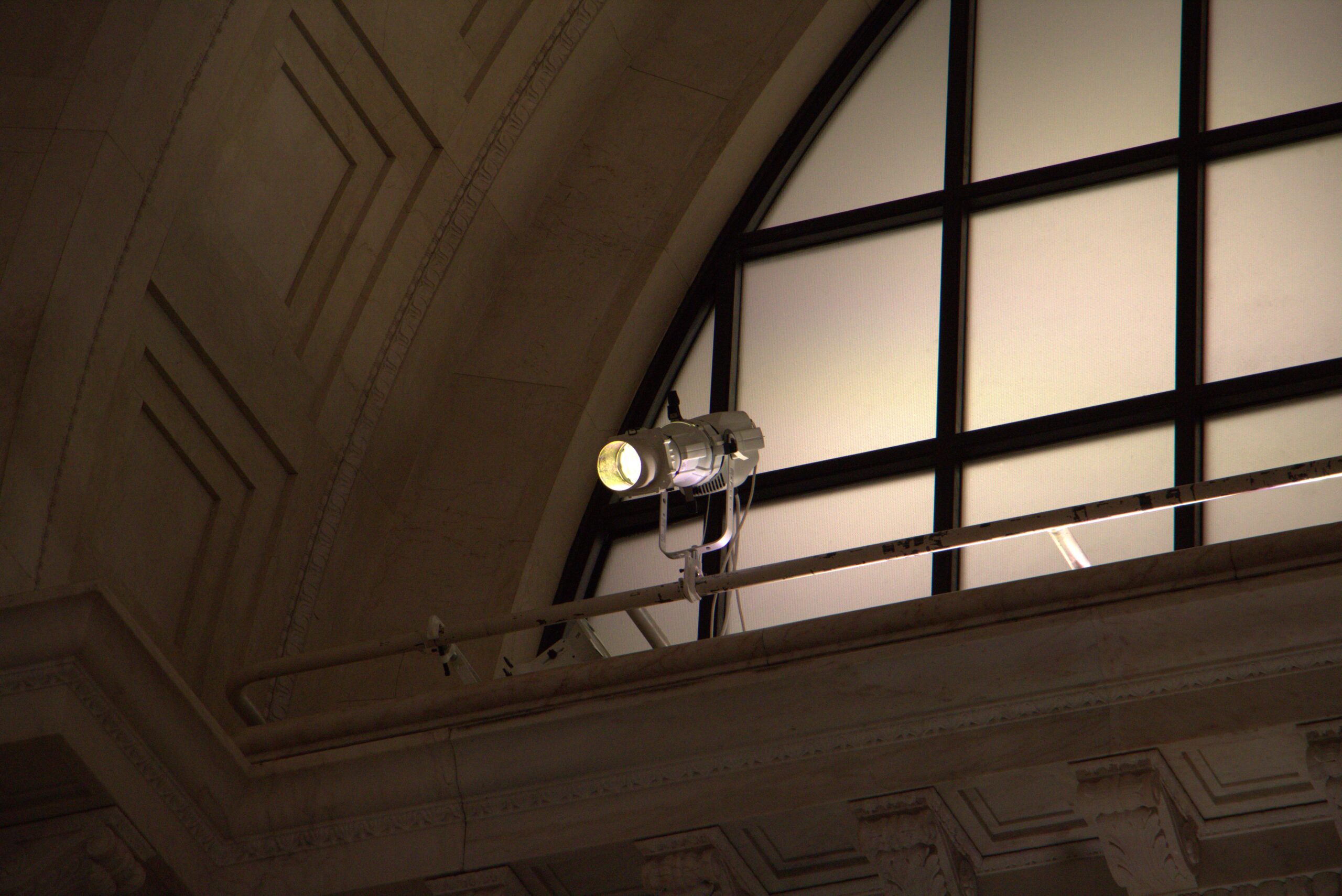
Inside the memorial, Starlite installed and programmed a new system built around ETC ColorSource fixtures, including Linear, PAR, and Spot profile fixtures integrated throughout the room.
Each fixture type serves a distinct role within the overall visual composition of the memorial.
Profile fixtures help emphasize architectural and sculptural details, including the Franklin statue itself. PAR fixtures provide broader environmental coverage and atmosphere, while linear fixtures contribute accenting and layered visual effects that support multimedia content and scene transitions.
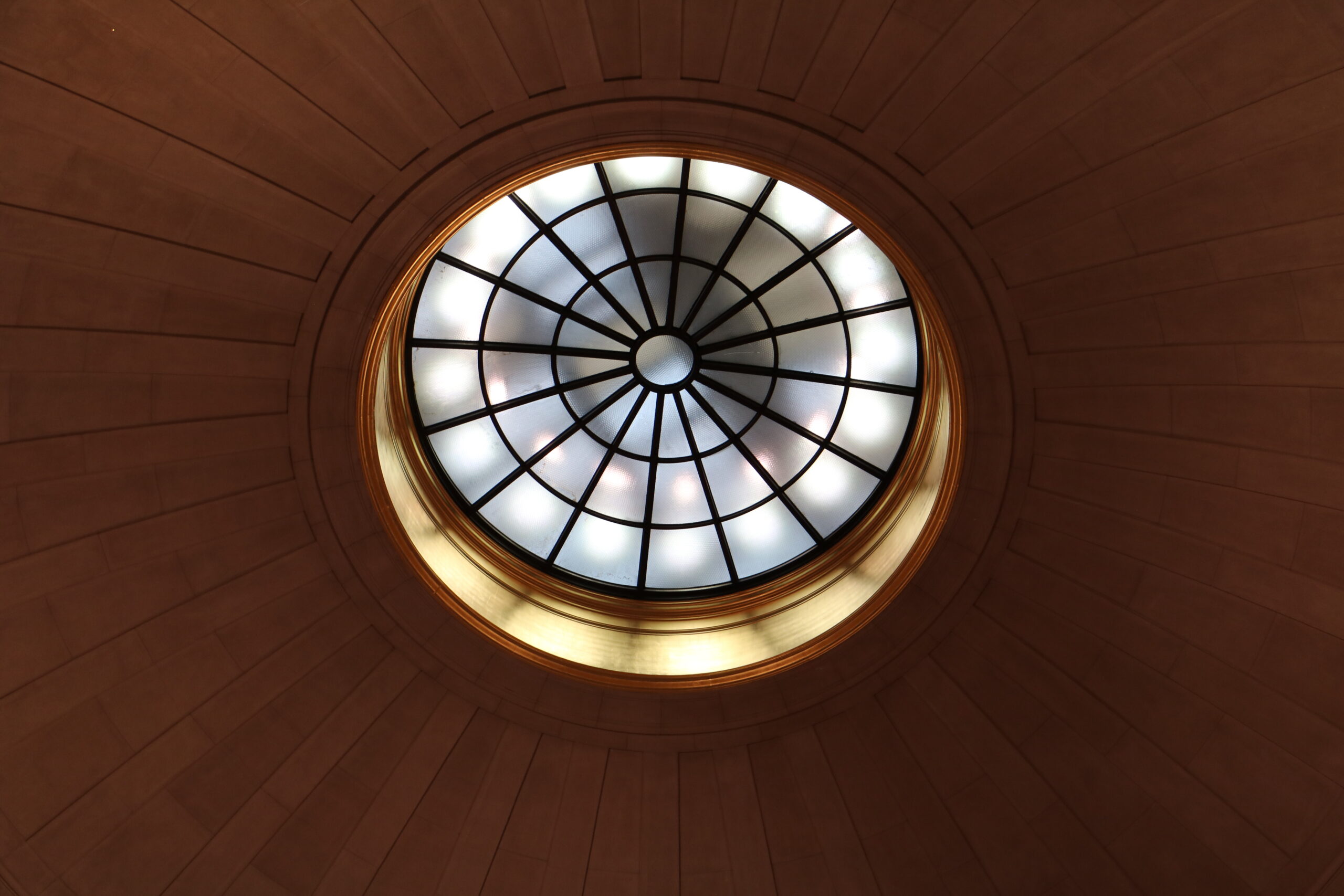
New Oculus fixtures were also added within the rotunda area of the Benjamin Franklin National Memorial Hall to further support the room’s layered lighting design. The installation included ETC ColorSource PAR Deep Blue fixtures, mounted with white hardware and safety components to better integrate with the surrounding architecture. These fixtures help provide additional flexibility and coverage within the memorial, allowing the rotunda lighting to support both everyday museum experiences and more dynamic multimedia presentations.
Together, the system gives museum staff far greater flexibility to shape the atmosphere of the memorial throughout the day. During normal visitor hours, the room can feel quiet and contemplative, then transition seamlessly into a more dramatic presentation environment for multimedia programming or special events.
The upgrades also provide the museum with more long-term flexibility behind the scenes. Programming adjustments, scene changes, and future exhibit integration can now be managed more efficiently through updated control systems and infrastructure designed to evolve alongside the museum’s future needs.
When done well, lighting rarely calls attention to itself. What visitors notice instead is how the space feels.
Extending the Experience Beyond the Memorial
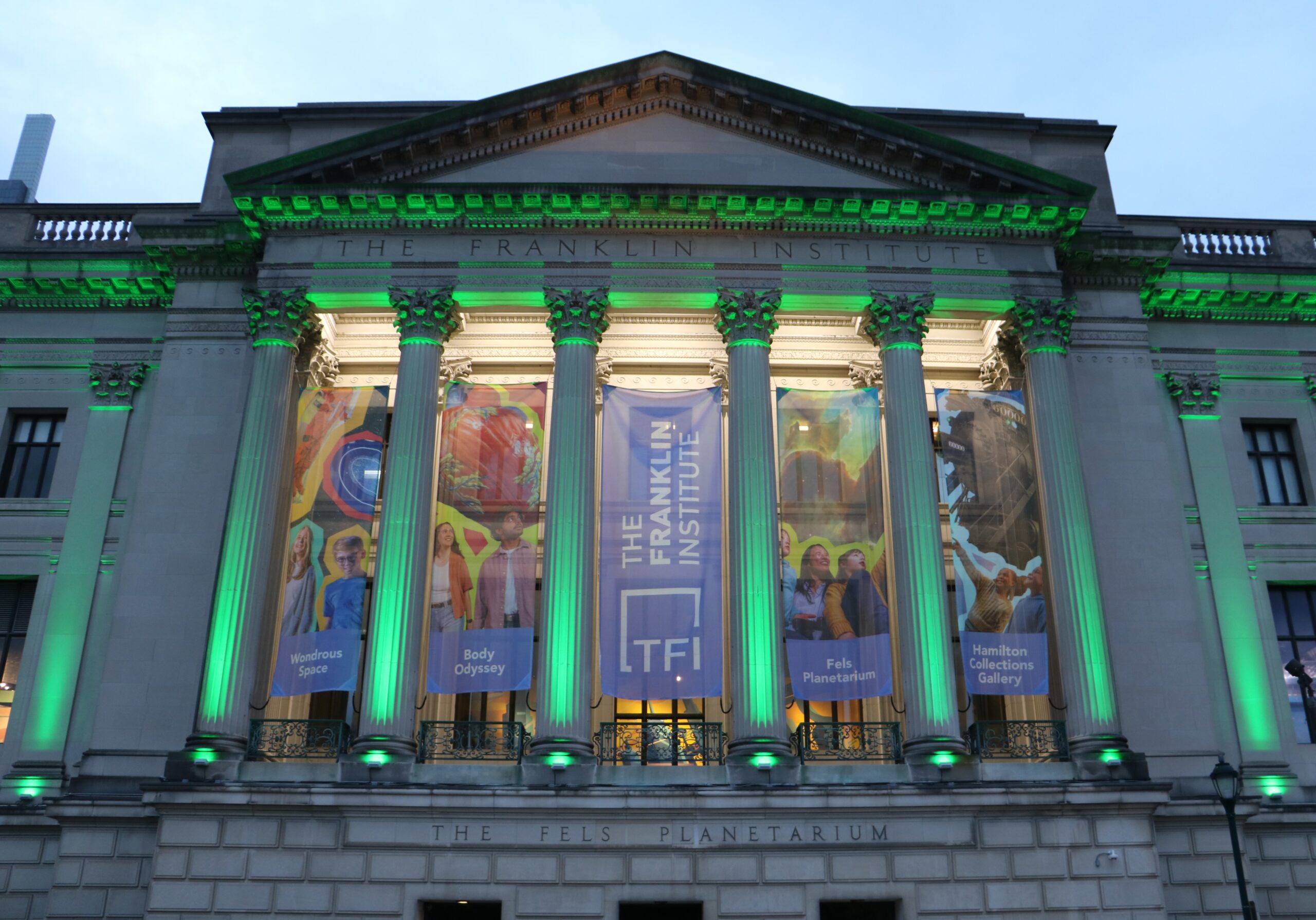
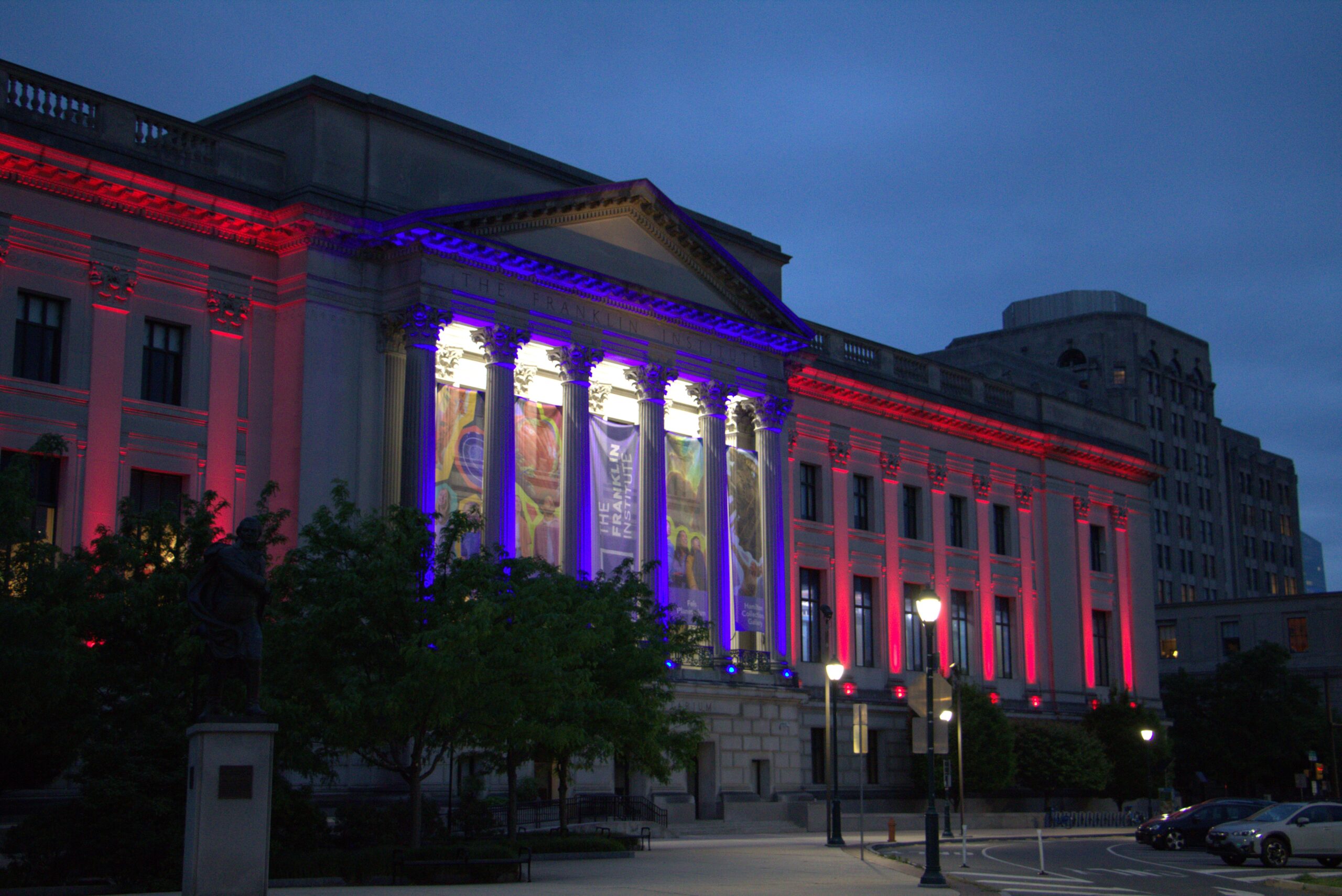
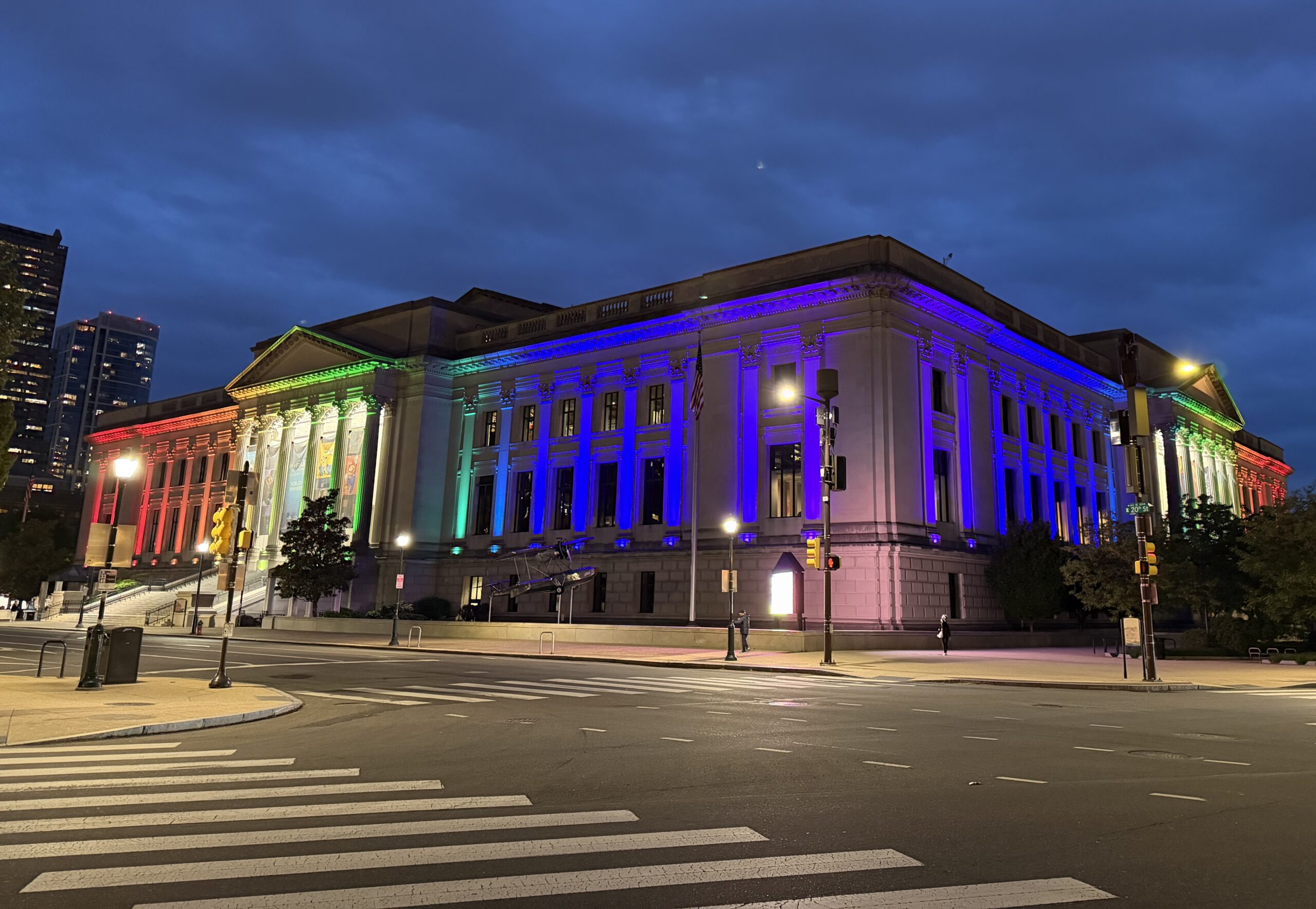
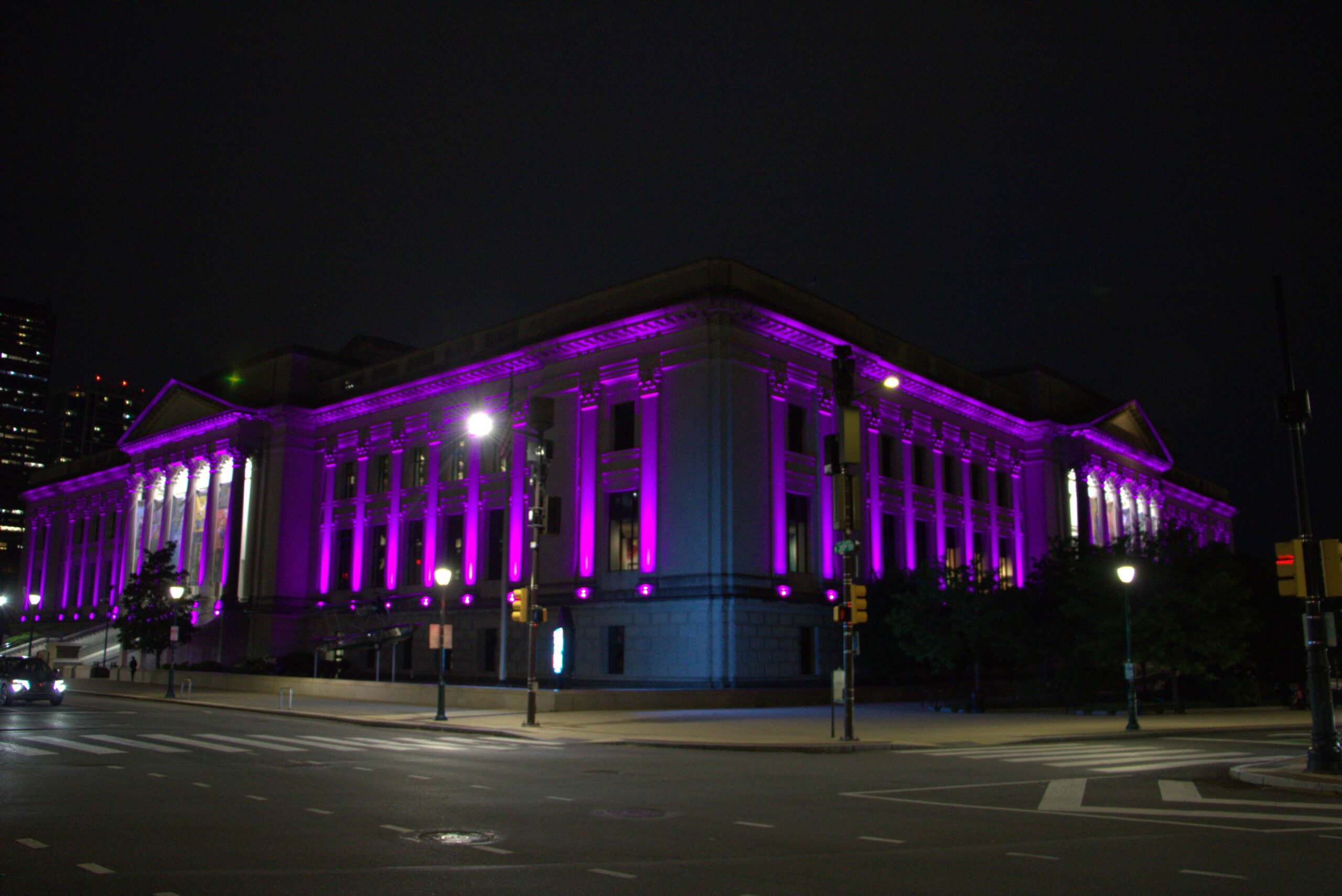
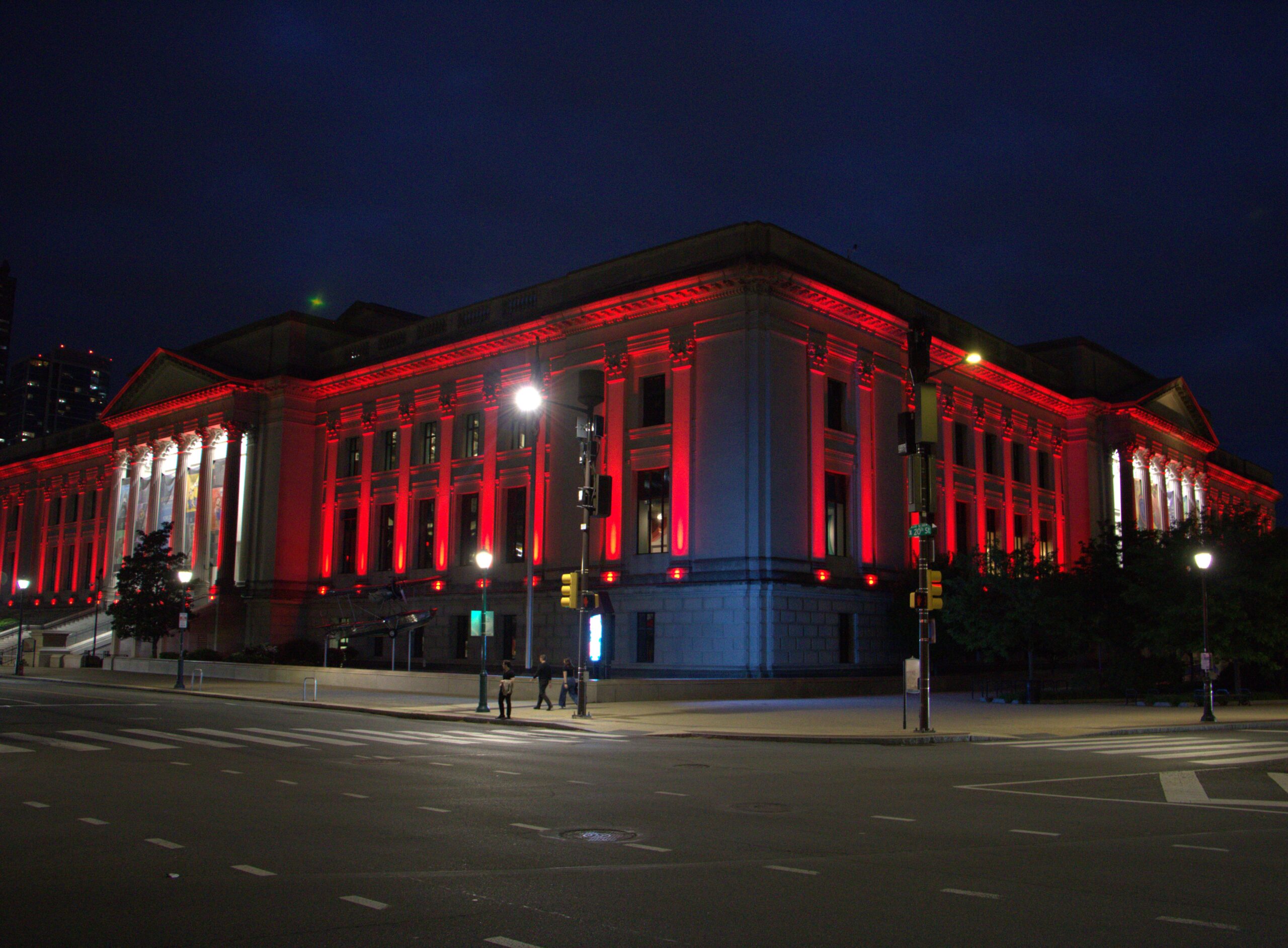
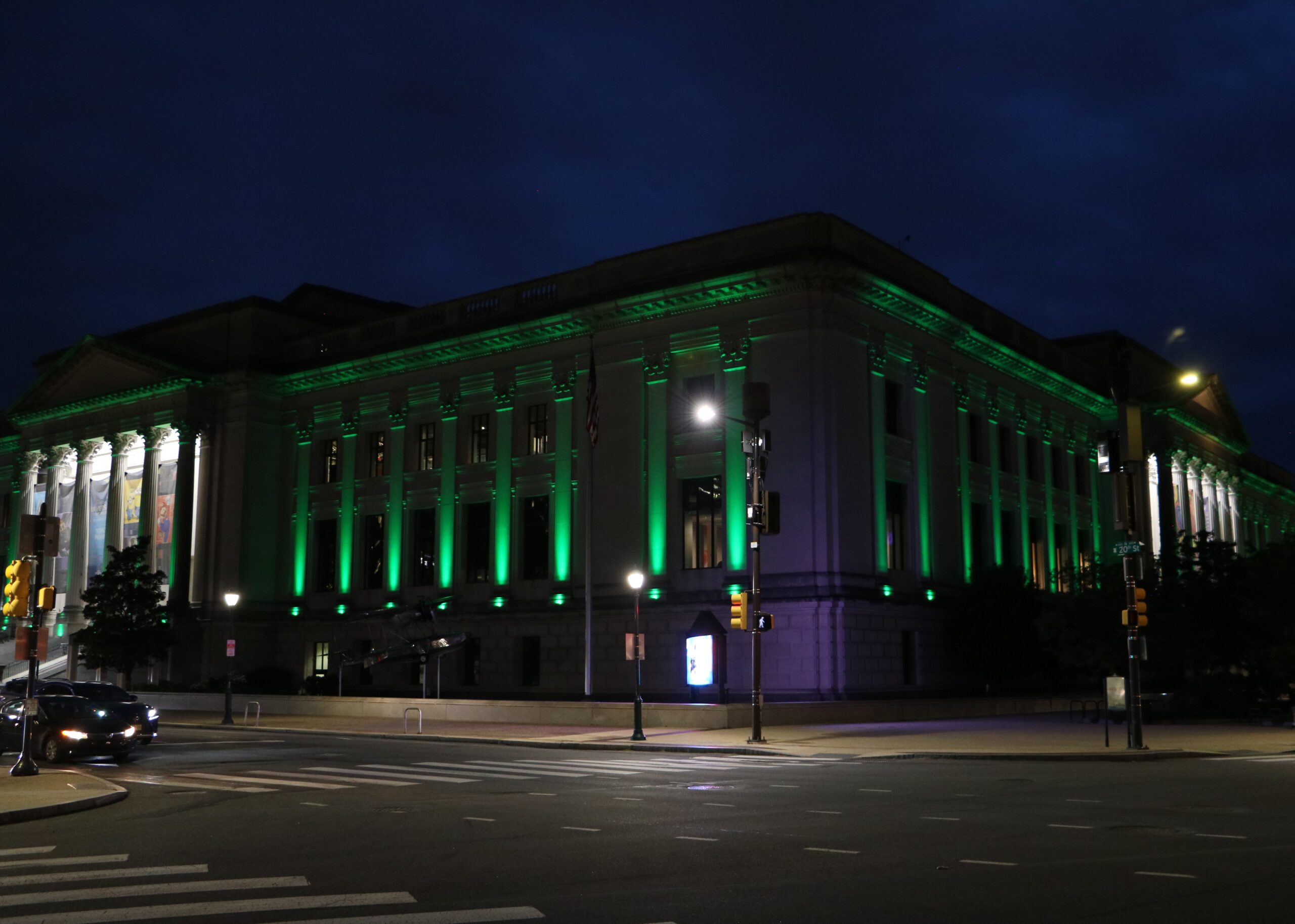
While the memorial interior was the emotional center of the project, the visitor experience began before guests entered the building. Starlite’s work also extended to The Franklin Institute’s exterior, where upgraded façade lighting helped create a more welcoming and visible presence ahead of Philadelphia’s 2026 celebrations.
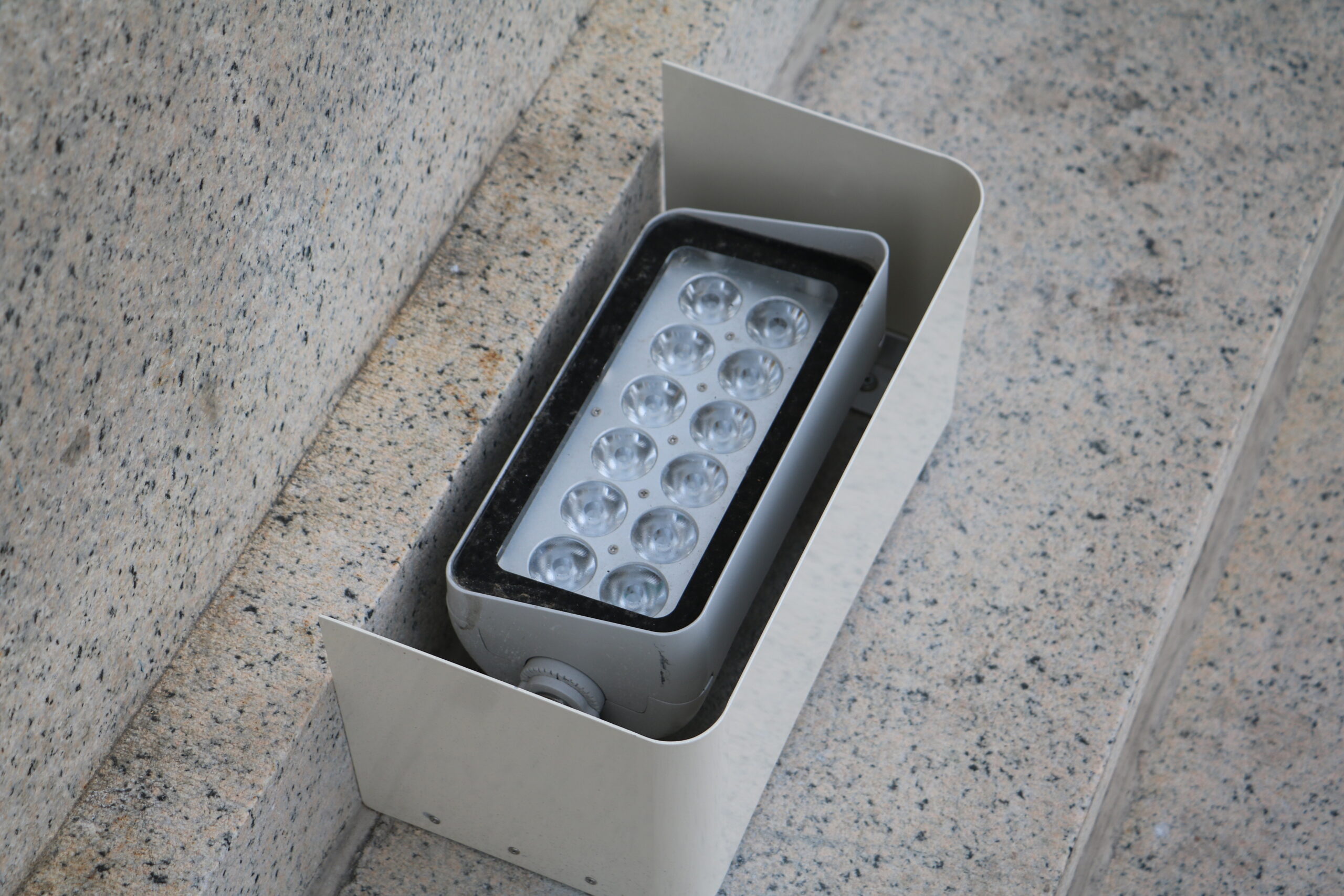
Acclaim Flood One EO Color fixtures were installed to provide programmable RGBW façade illumination capable of supporting both everyday presentation and large-scale public events. The upgrades allow the museum to participate more visibly in citywide activations, commemorative programming, and evening experiences tied to the Semiquincentennial.
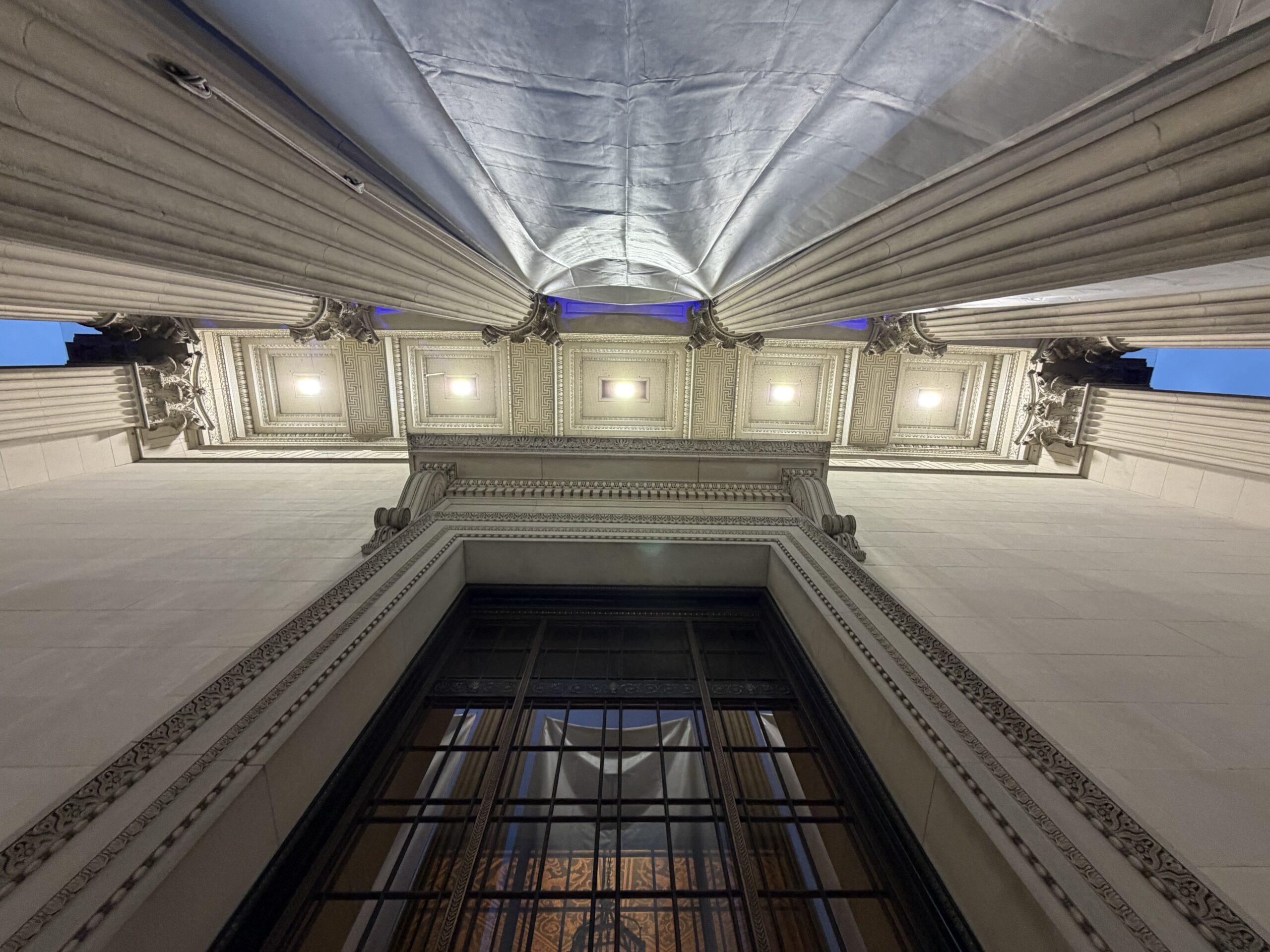
Because several exterior fixtures along the East stairs sat directly within guest sightlines, Starlite fabricated custom shrouds to keep the technology from becoming the focus. Each shroud was color matched to the building, helping the fixtures blend into the architecture while preserving the clean appearance of the façade during daytime hours.
To unify the interior and exterior lighting experience, Starlite modified programming through an existing ETC Mosaic Show Controller originally installed during a previous phase of work at The Franklin Institute. Updating the control infrastructure allowed the museum to manage scene changes, façade lighting, and multimedia-driven presentations more efficiently across both environments.
For visitors approaching the museum at night, the building now has a stronger visual presence along the Parkway while maintaining the architectural identity that has made The Franklin Institute such a recognizable part of Philadelphia’s cultural landscape.
The experience now begins before guests even step inside the memorial itself.
Balancing Technology With Preservation
Historic landmark projects require a careful balance between modernization and preservation.
The technology has to feel current and capable of supporting modern experiences, but it cannot overpower the architecture or compromise the qualities that make the environment meaningful in the first place.
That balance shaped every stage of The Franklin Institute project.
Fixture placement, programming decisions, and installation details all had to work within the physical limitations of the memorial while preserving sightlines and maintaining the integrity of the space. Equipment integration required close coordination between Starlite, museum stakeholders, designers, programmers, and project teams throughout the process.
The installation process also came with logistical challenges tied to working inside one of Philadelphia’s busiest museum environments. From working around public hours in the memorial to concealing exterior fixtures along guest sightlines, the project required careful coordination at every level.
Careful scheduling and coordination allowed the team to complete complex installation work while minimizing disruption to museum operations and preserving the visitor experience throughout the project.
The final system gives The Franklin Institute modern capabilities while remaining visually unobtrusive within the memorial itself. Instead of competing with the architecture, the technology reinforces it.
Access to the interior space proved to be the biggest hurdle since the building is constantly in use. We had to consolidate before the venue opened to the public because several installation positions were 40 feet off the ground, often on ledges circling the memorial. That being said, working with the staff at The Franklin Institute was a dream, and they made every accommodation to help push the project along.
A Landmark Ready for Its Next Chapter
Visitors may never notice the individual fixtures, control systems, or programming layers behind the memorial’s transformation.
What they will notice is how the space feels.
The Benjamin Franklin National Memorial Hall now carries greater depth, stronger visual focus, and a more seamless relationship between architecture, multimedia, and presentation. The upgrades give The Franklin Institute a more flexible environment for programming while preserving the sense of scale and permanence that defines the memorial itself.
For visitors, the changes may feel subtle at first. The room feels more immersive, more intentional, and more alive without losing the quiet sense of history that has always made the space so memorable.
As Philadelphia prepares for a historic year, projects like this help ensure the city’s landmarks are ready not only to welcome visitors, but to continue inspiring them for generations to come.
Project Highlights
- Interior Upgrades
ETC ColorSource Linear fixtures
ETC ColorSource PAR fixtures
ETC ColorSource Spot V profile fixtures
New Oculus fixtures in the rotunda area
Custom scene programming
Multimedia integration support
Enhanced flexibility for exhibits and presentations - Exterior Upgrades
Acclaim Flood One EO Color fixtures
Programmable RGBW façade illumination
Enhanced nighttime visibility
Exterior presentation support for public events and activations
Custom color-matched shrouds for East stair fixtures in direct guest sightlines - Controls & Programming
ETC Mosaic Show Controller programming updates
Interior and exterior scene programming
Multimedia presentation support
Long-term flexibility for future programming - Services Provided
Lighting system integration
Lighting programming and commissioning
Control system implementation
Technical consulting
Multimedia coordination
Historic site installation support
The project reflects the growing role of lighting integration, architectural lighting, and immersive technology within Philadelphia museums, historic landmarks, and public spaces across the region and beyond.
Looking to Upgrade Lighting or AV Systems in Your Venue?
For Starlite, a leading AV and lighting integration company serving the Philadelphia region, contributing to one of the city’s most recognized landmarks was an opportunity to combine technical expertise with meaningful storytelling.
As museums and historic institutions continue investing in immersive technology, projects like The Franklin Institute demonstrate how modern AV and lighting systems can revitalize public spaces while preserving the history that makes them important in the first place.
If your museum, venue, or public space is preparing for a lighting or AV upgrade, Starlite can help design a system that supports your story, your space, and your visitors.